
Trade agreements are pivotal in shaping the landscape of international commerce, serving as the framework through which countries engage in economic exchanges. These agreements can take various forms, including bilateral treaties between two nations or multilateral accords involving multiple countries. As you delve into the world of trade agreements, you will discover that they not only facilitate the flow of goods and services but also play a crucial role in fostering diplomatic relations.
The interconnectedness of trade and international relations is undeniable; as nations negotiate terms of trade, they also navigate the complexities of political alliances and economic partnerships. Understanding trade agreements is essential for anyone interested in global investments. These agreements can significantly influence market access, tariffs, and regulatory standards, all of which impact investment decisions.
As you explore this topic, consider how trade agreements can create opportunities for investors by opening new markets or enhancing existing ones. Conversely, changes in these agreements can pose risks, making it imperative for you to stay informed about the evolving landscape of international trade and its implications for investment strategies.
Key Takeaways
- Trade agreements play a crucial role in shaping international relations and global investments.
- Changes in trade agreements can have a significant impact on global investments, influencing market access, tariffs, and regulations.
- International relations can shape global investments through diplomatic relations, geopolitical stability, and international cooperation.
- Case studies demonstrate how changes in trade agreements and international relations have affected global investments in specific regions and industries.
- Investors can navigate changes in trade agreements and international relations by staying informed, diversifying portfolios, and seeking expert advice.
The Impact of Trade Agreements on Global Investments
Trade agreements have a profound impact on global investments, often acting as catalysts for economic growth and development.
This reduction in trade barriers can lead to increased foreign direct investment (FDI) as companies seek to capitalize on new market opportunities.
As an investor, you should recognize that favorable trade conditions can enhance the attractiveness of certain markets, prompting you to consider where to allocate your resources. Moreover, trade agreements can also provide a level of stability and predictability in international markets. When countries commit to specific trade terms, it reduces uncertainty for investors, allowing you to make more informed decisions.
For instance, if a country signs a free trade agreement with another nation, it signals a commitment to maintaining open trade relations, which can encourage investment in sectors that benefit from reduced tariffs. As you analyze potential investment opportunities, keep in mind how trade agreements can create a more favorable environment for business operations and growth.
The Role of International Relations in Shaping Global Investments
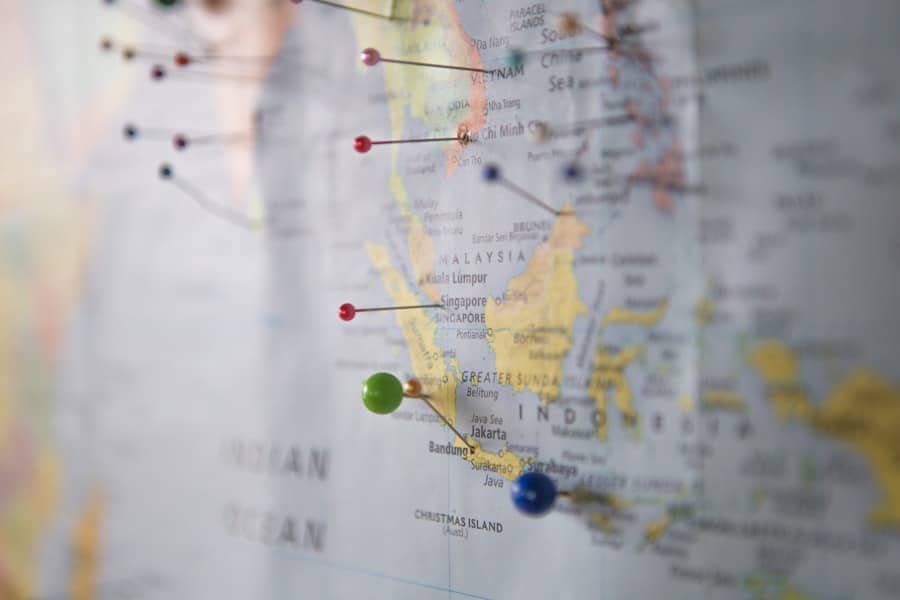
International relations play a critical role in shaping the dynamics of global investments. The political climate between countries can significantly influence investor confidence and willingness to engage in cross-border transactions. As you navigate the world of investments, consider how diplomatic relations can affect market stability and access.
For example, strong bilateral ties between two nations may lead to increased collaboration in various sectors, attracting investors who seek to benefit from these partnerships. Additionally, international relations can impact regulatory frameworks that govern investments. Countries with positive diplomatic relations are more likely to establish transparent and investor-friendly policies, which can enhance the overall investment climate.
As you assess potential investment opportunities, it is essential to evaluate the geopolitical landscape and understand how international relations can influence your investment strategy.
Case Studies: How Changes in Trade Agreements and International Relations Have Impacted Global Investments
Examining case studies can provide valuable insights into how changes in trade agreements and international relations have shaped global investments. One notable example is the North American Free Trade Agreement (NAFTA), which was implemented in 1994 between the United States, Canada, and Mexico. NAFTA significantly increased trade and investment flows among the three countries by eliminating tariffs on goods and services.
As an investor during this period, you would have witnessed a surge in cross-border investments, particularly in manufacturing and agriculture sectors. However, the renegotiation of NAFTA into the United States-Mexico-Canada Agreement (USMCA) in 2018 brought about new challenges and opportunities for investors. While some sectors benefited from updated provisions, others faced increased tariffs or regulatory changes.
This case illustrates the importance of staying informed about evolving trade agreements and their implications for investment strategies. As you analyze similar situations, consider how shifts in trade policies can create both risks and opportunities for your investment portfolio.
Strategies for Investors to Navigate Changes in Trade Agreements and International Relations
To successfully navigate changes in trade agreements and international relations, you must adopt proactive strategies that allow you to adapt to shifting landscapes. One effective approach is to diversify your investment portfolio across different regions and sectors. By spreading your investments across various markets, you can mitigate risks associated with specific trade policies or geopolitical tensions.
This diversification strategy enables you to capitalize on growth opportunities while minimizing potential losses from adverse developments. Another key strategy is to stay informed about global economic trends and political developments. Regularly monitoring news related to trade agreements and international relations will empower you to make timely investment decisions.
Engaging with financial analysts or subscribing to industry reports can provide valuable insights into emerging trends that may impact your investments. As you develop your investment strategy, consider incorporating tools such as scenario analysis to assess potential outcomes based on different trade policy scenarios.
The Influence of Political and Economic Factors on Global Investments

Political and economic factors are intertwined forces that significantly influence global investments. Political stability within a country often correlates with a favorable investment climate; when governments are stable and transparent, investors are more likely to commit their resources. Conversely, political unrest or uncertainty can deter investment as businesses seek safer environments for their capital.
As you evaluate potential investment opportunities, consider the political landscape and its implications for market stability. Economic factors also play a crucial role in shaping investment decisions. Economic growth rates, inflation levels, and currency stability are all critical indicators that investors must monitor.
For instance, a country experiencing robust economic growth may attract foreign investments as businesses seek to capitalize on expanding markets. On the other hand, high inflation or currency volatility can create challenges for investors seeking stable returns. By understanding the interplay between political and economic factors, you can make more informed decisions about where to invest your resources.
The Future of Global Investments in the Context of Evolving Trade Agreements and International Relations
As you look toward the future of global investments, it is essential to recognize that trade agreements and international relations will continue to evolve in response to changing geopolitical dynamics. Emerging economies are increasingly asserting themselves on the global stage, leading to shifts in traditional power structures. This evolution presents both challenges and opportunities for investors as new markets emerge and established ones undergo transformations.
Technological advancements are also reshaping the landscape of global investments. The rise of digital currencies, e-commerce platforms, and innovative financial technologies is changing how businesses operate across borders. As an investor, staying abreast of these technological trends will be crucial for identifying new opportunities in an increasingly interconnected world.
By embracing innovation and adapting your investment strategies accordingly, you can position yourself for success in this rapidly changing environment.
The Importance of Staying Informed and Adapting to Changes in Trade Agreements and International Relations for Successful Global Investments
In conclusion, navigating the complexities of trade agreements and international relations is essential for successful global investments. As you engage with these topics, remember that staying informed is key to making sound investment decisions. The interplay between trade policies and geopolitical dynamics can create both risks and opportunities that require your attention.
By adopting proactive strategies such as diversification and continuous monitoring of global trends, you can better position yourself to respond to changes in the investment landscape. Ultimately, your ability to adapt to evolving trade agreements and international relations will play a significant role in determining your success as an investor in the global marketplace. Embrace the challenges ahead with a keen eye on the ever-changing dynamics of international commerce; your informed decisions will pave the way for fruitful investments in the future.
When considering how changes in trade agreements and international relations affect global investments, it is important to also take into account the impact of insurance plans on financial decisions. Choosing the right insurance plan can provide a safety net for investments in uncertain times. For more information on selecting the best insurance plan for your financial goals, check out this article on financialfreedom-today.com.
FAQs
What are trade agreements?
Trade agreements are treaties between two or more countries that are designed to facilitate and regulate trade and economic relations between the signatory countries. These agreements can cover a wide range of issues including tariffs, quotas, intellectual property rights, and investment rules.
How do changes in trade agreements affect global investments?
Changes in trade agreements can have a significant impact on global investments. For example, if a trade agreement reduces tariffs or removes trade barriers between countries, it can lead to increased investment and trade between the signatory countries. Conversely, if a trade agreement introduces new trade barriers or tariffs, it can hinder investment and trade.
What is the role of international relations in global investments?
International relations play a crucial role in global investments as they can affect the political and economic stability of countries. Investors often consider the diplomatic relations between countries, as well as geopolitical tensions and conflicts, when making investment decisions. Positive international relations can create a conducive environment for investments, while strained relations can lead to uncertainty and risk for investors.
How do investors respond to changes in trade agreements and international relations?
Investors often respond to changes in trade agreements and international relations by reassessing their investment strategies and risk assessments. They may reallocate their investments to take advantage of new opportunities created by trade agreements or to mitigate risks associated with geopolitical tensions. Additionally, investors may seek out new markets or diversify their portfolios in response to changes in trade agreements and international relations.