
As you navigate the complex world of investing, it becomes increasingly clear that environmental factors play a pivotal role in shaping long-term investment choices. The landscape of finance is evolving, and the traditional metrics of profitability and growth are no longer sufficient on their own. Investors like you are beginning to recognize that the health of the planet is intricately linked to the sustainability of your investments.
This realization is not merely a trend; it is a fundamental shift in how you approach your financial future. Incorporating environmental considerations into your investment strategy can lead to more informed decisions. By understanding the implications of climate change, resource scarcity, and regulatory changes, you can position your portfolio to not only withstand potential risks but also capitalize on emerging opportunities.
As you delve deeper into this topic, you will discover that aligning your investments with environmental sustainability can enhance both your financial returns and your ethical standing in the world.
Key Takeaways
- Environmental factors play a crucial role in long-term investment choices, impacting both risks and opportunities.
- Climate change has a significant impact on investment portfolios, with potential for both financial risks and opportunities.
- Renewable energy and sustainable technologies present attractive investment opportunities for long-term growth and sustainability.
- Environmental degradation and resource scarcity pose significant risks to long-term investments, requiring careful consideration and mitigation strategies.
- Regulatory and policy implications for long-term investments are increasingly influenced by environmental considerations, shaping investment decisions and opportunities.
Impact of Climate Change on Investment Portfolios
Climate change is no longer a distant threat; it is a present reality that affects various sectors and industries. As you assess your investment portfolio, it is crucial to consider how climate-related risks can impact the performance of your assets. Extreme weather events, rising sea levels, and shifting agricultural patterns can disrupt supply chains and affect the profitability of companies in which you invest.
For instance, industries such as agriculture, insurance, and real estate are particularly vulnerable to the adverse effects of climate change, which could lead to significant financial losses. Moreover, the transition to a low-carbon economy presents both challenges and opportunities for your investments. Companies that fail to adapt to new environmental regulations or that rely heavily on fossil fuels may face declining valuations.
Conversely, businesses that embrace sustainable practices and invest in green technologies are likely to thrive in this changing landscape. By proactively evaluating the climate resilience of your investments, you can mitigate risks and position yourself for long-term success.
Opportunities in Renewable Energy and Sustainable Technologies

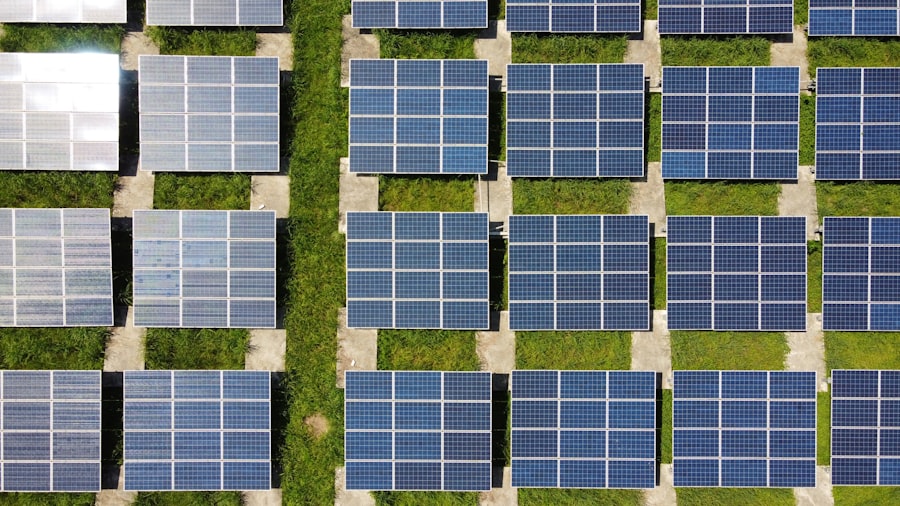
As you explore the investment landscape, one of the most promising areas is renewable energy and sustainable technologies. The global shift towards clean energy sources presents a wealth of opportunities for investors like you. Solar, wind, and hydroelectric power are not only environmentally friendly but also increasingly cost-competitive with traditional energy sources.
Investing in these sectors can yield substantial returns as demand for clean energy continues to rise. Furthermore, advancements in sustainable technologies are creating new markets and business models. Electric vehicles, energy-efficient appliances, and smart grid technologies are just a few examples of innovations that are reshaping industries.
By investing in companies at the forefront of these developments, you can align your financial goals with your values while contributing to a more sustainable future. The potential for growth in these sectors is immense, making them an attractive option for long-term investors seeking both profit and purpose.
Risks of Environmental Degradation and Resource Scarcity
While there are numerous opportunities associated with environmental factors, it is equally important to recognize the risks posed by environmental degradation and resource scarcity. As you consider your investment strategy, be aware that the depletion of natural resources can lead to increased costs and volatility in various markets. Water scarcity, deforestation, and loss of biodiversity are pressing issues that can disrupt supply chains and impact the viability of certain industries.
Additionally, companies that fail to address their environmental impact may face reputational damage and regulatory penalties. As consumers become more environmentally conscious, businesses that neglect sustainability may find themselves losing market share to more responsible competitors. By understanding these risks, you can make more informed investment choices that prioritize companies committed to sustainable practices and resource management.
Regulatory and Policy Implications for Long-term Investments
The regulatory landscape surrounding environmental issues is rapidly evolving, and as an investor, it is essential to stay informed about these changes. Governments around the world are implementing policies aimed at reducing carbon emissions and promoting sustainable practices. These regulations can have significant implications for your investment portfolio, influencing everything from tax incentives for renewable energy projects to penalties for high-emission industries.
By keeping abreast of regulatory developments, you can identify potential risks and opportunities within your investments. Companies that proactively adapt to new regulations are likely to be better positioned for long-term success. Conversely, those that resist change may face financial repercussions as compliance costs rise or as they become less competitive in a market increasingly driven by sustainability.
Incorporating Environmental, Social, and Governance (ESG) Criteria into Investment Strategies
Integrating ESG for a Holistic Investment Approach
In recent years, there has been a growing emphasis on incorporating Environmental, Social, and Governance (ESG) criteria into investment strategies.
This framework allows you to evaluate not only the financial performance of a company but also its impact on society and the environment.
Aligning Investments with Values and Enhancing Resilience
By prioritizing companies with strong ESG practices, you can align your investments with your values while potentially enhancing your portfolio’s resilience. Research has shown that companies with robust ESG frameworks often outperform their peers over the long term. This correlation suggests that responsible investing is not just a moral choice; it can also be a financially sound strategy.
Toward Sustainable Outcomes
As you refine your investment approach, consider how ESG criteria can help guide your decisions toward more sustainable outcomes.
Long-term Financial Performance and Environmental Considerations
The relationship between long-term financial performance and environmental considerations is becoming increasingly evident. As an investor, you may find that companies prioritizing sustainability often exhibit stronger financial metrics over time. This trend is driven by several factors, including reduced operational costs through energy efficiency measures and enhanced brand loyalty among environmentally conscious consumers.
Moreover, as global awareness of environmental issues grows, companies that fail to address these concerns may face declining market valuations. Investors like you are increasingly scrutinizing corporate practices related to sustainability, leading to a shift in capital toward businesses that demonstrate a commitment to environmental stewardship. By recognizing this connection between financial performance and environmental responsibility, you can make investment choices that not only benefit your portfolio but also contribute positively to society.
The Importance of Considering Environmental Factors in Long-term Investment Choices
In conclusion, as you navigate the world of long-term investments, it is imperative to consider environmental factors as integral components of your strategy. The impact of climate change, the opportunities presented by renewable energy, the risks associated with resource scarcity, and the evolving regulatory landscape all underscore the importance of integrating sustainability into your investment decisions. By doing so, you position yourself not only for potential financial gains but also for contributing to a more sustainable future.
The journey toward sustainable investing may require adjustments in your approach, but the rewards—both financial and ethical—are well worth the effort. Ultimately, by prioritizing environmental factors in your long-term investment choices, you can help shape a more resilient economy while securing your financial future.
When considering the implications of environmental factors, such as climate change, on long-term investment choices, it is crucial to ensure that your financial decisions align with your values and life goals. This article on this article, and recognizing the importance of having a will, you can create a comprehensive financial plan that considers both your financial well-being and the impact of environmental factors on your investments.
FAQs
What are environmental factors and how do they impact long-term investment choices?
Environmental factors, such as climate change, natural disasters, and resource scarcity, can have significant impacts on industries, companies, and economies. These factors can affect the availability and cost of resources, regulatory requirements, consumer preferences, and overall market stability, all of which can influence long-term investment decisions.
How does climate change specifically impact long-term investment choices?
Climate change can lead to physical risks, such as extreme weather events and rising sea levels, as well as transition risks, such as policy changes and technological advancements. These risks can affect the value of assets, the cost of doing business, and the demand for certain products and services, all of which can influence long-term investment strategies.
What are some examples of industries and companies that are particularly affected by environmental factors?
Industries and companies that rely heavily on natural resources, such as agriculture, forestry, and mining, are particularly vulnerable to environmental factors. Additionally, industries that produce high levels of greenhouse gas emissions, such as energy and transportation, may face increased regulatory and market pressures due to climate change.
How can investors incorporate environmental factors into their long-term investment decisions?
Investors can incorporate environmental factors into their decision-making processes by conducting thorough environmental, social, and governance (ESG) analysis, engaging with companies on sustainability issues, and considering the potential long-term impacts of environmental trends on their investment portfolios. Additionally, there are a growing number of investment products and strategies focused on environmental sustainability and climate resilience.