
When you embark on your investment journey, understanding risk and diversification is paramount. Every investment carries a certain level of risk, which can stem from market volatility, economic shifts, or even company-specific events. As an investor, you must assess your risk tolerance—how much uncertainty you are willing to accept in pursuit of potential returns.
This self-awareness will guide your investment choices and help you build a portfolio that aligns with your financial goals. Diversification is a strategy that can significantly mitigate risk. By spreading your investments across various asset classes—such as stocks, bonds, real estate, and commodities—you reduce the impact of any single investment’s poor performance on your overall portfolio.
Imagine a scenario where you invest solely in technology stocks; if the tech sector experiences a downturn, your entire portfolio could suffer. However, by diversifying into other sectors or asset types, you create a buffer against such fluctuations. This approach not only helps in managing risk but also positions you to capitalize on different market opportunities.
Key Takeaways
- Diversification helps to spread risk across different investments, reducing the impact of any one investment performing poorly.
- Understanding the costs and fees associated with an investment is crucial for maximizing returns and minimizing expenses.
- Having control over your investments allows for better management and decision-making, leading to potentially higher returns.
- Monitoring the performance of your investments is essential for evaluating their success and making adjustments as needed.
- Considering tax efficiency when investing can help to minimize the impact of taxes on investment returns.
Cost and Fees
As you navigate the investment landscape, it’s crucial to be aware of the costs and fees associated with your investments. These expenses can significantly erode your returns over time, making it essential to understand what you’re paying for. Investment vehicles such as mutual funds, exchange-traded funds (ETFs), and managed accounts often come with management fees, trading commissions, and other charges that can add up quickly.
You should carefully evaluate these costs before committing your capital. Moreover, the impact of fees can be more pronounced over the long term. For instance, a seemingly small difference in expense ratios can lead to substantial differences in your portfolio’s growth over several years.
As you consider various investment options, take the time to compare fees and understand how they align with the value provided. A higher fee does not always equate to better performance; sometimes, low-cost index funds can outperform their more expensive counterparts simply due to lower expenses.
Management and Control
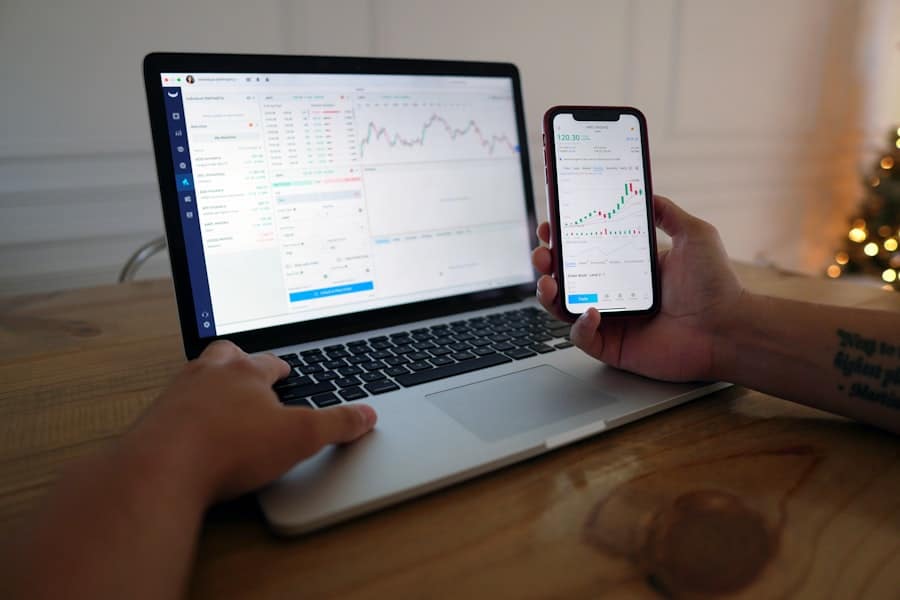
Your level of involvement in managing your investments is another critical factor to consider. Some investors prefer a hands-on approach, actively managing their portfolios and making decisions based on market research and analysis. This method can be rewarding but also requires significant time and effort.
If you enjoy staying informed about market trends and have the expertise to make informed decisions, this active management style may suit you well. On the other hand, if you prefer a more passive approach or lack the time to dedicate to investment management, you might consider hiring a financial advisor or utilizing robo-advisors. These services can provide professional management of your portfolio, allowing you to focus on other aspects of your life while still working toward your financial goals.
However, it’s essential to ensure that any advisor you choose aligns with your investment philosophy and understands your objectives.
Performance and Returns
When evaluating potential investments, performance and returns are often at the forefront of your mind. You want to know how well an investment has performed historically and what kind of returns you can expect in the future. While past performance is not always indicative of future results, it can provide valuable insights into an investment’s volatility and resilience during different market conditions.
As you analyze performance metrics, consider both absolute returns and relative performance compared to benchmarks or peers. This dual perspective will help you gauge whether an investment is truly adding value to your portfolio. Additionally, keep in mind that high returns often come with increased risk; therefore, it’s essential to balance your desire for growth with your risk tolerance.
A well-rounded approach will allow you to pursue attractive returns while maintaining a level of risk that feels comfortable for you.
Tax Efficiency
Tax efficiency is a crucial aspect of investing that can significantly impact your overall returns. As an investor, you should be aware of how different investment vehicles are taxed and how this affects your net gains. For instance, long-term capital gains are typically taxed at a lower rate than short-term gains, making it beneficial to hold investments for longer periods when possible.
Additionally, consider tax-advantaged accounts such as Individual Retirement Accounts (IRAs) or 401(k)s, which allow your investments to grow tax-deferred or even tax-free in some cases. By strategically placing certain investments in these accounts, you can enhance your tax efficiency and maximize your after-tax returns. Understanding the tax implications of your investment decisions will empower you to make choices that align with your financial strategy.
Time and Effort
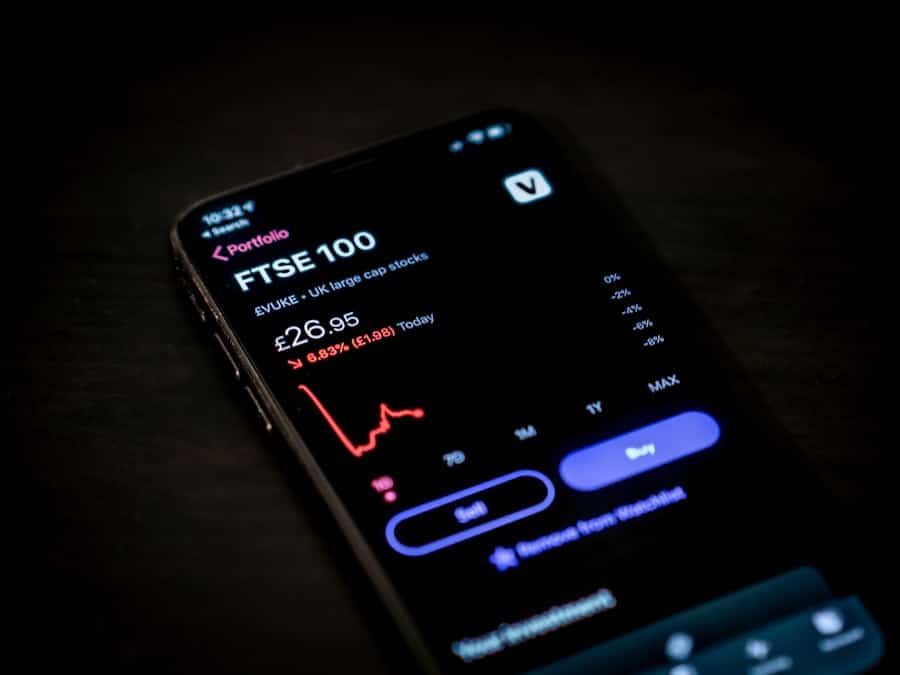
Investing is not just about money; it also requires a commitment of time and effort. Depending on your investment strategy, you may need to dedicate varying amounts of time to research, monitoring, and adjusting your portfolio. If you’re an active investor who enjoys analyzing market trends and individual stocks, you’ll likely find yourself spending considerable time on these activities.
Conversely, if you prefer a more hands-off approach through passive investing or using automated services, the time commitment may be significantly lower. However, even passive investors should periodically review their portfolios to ensure they remain aligned with their goals and risk tolerance. Regardless of your chosen approach, it’s essential to strike a balance between the time you invest in managing your portfolio and the potential returns you seek.
Investment Goals and Objectives
Your investment goals and objectives serve as the foundation for your entire investment strategy.
Take the time to articulate your objectives—consider factors such as time horizon, risk tolerance, and desired outcomes.
Once you’ve established your goals, you can tailor your investment strategy accordingly. For example, if you’re saving for a short-term goal like a vacation in two years, you may want to prioritize lower-risk investments that preserve capital rather than seeking high-growth opportunities that come with greater volatility. Conversely, if you’re investing for retirement several decades away, you might be more inclined to take on higher-risk assets that have the potential for substantial long-term growth.
Market Conditions and Trends
Finally, staying informed about market conditions and trends is vital for making sound investment decisions. The financial markets are influenced by a myriad of factors—economic indicators, geopolitical events, interest rates, and consumer sentiment all play a role in shaping market dynamics. As an investor, keeping abreast of these developments will enable you to make informed choices about when to enter or exit positions.
Understanding current market trends can also help you identify emerging opportunities or potential risks within specific sectors or asset classes. For instance, if you notice a growing trend toward renewable energy investments due to increasing environmental awareness and government incentives, it may prompt you to explore opportunities in that space. Conversely, being aware of potential economic downturns or shifts in consumer behavior can help you adjust your portfolio proactively to mitigate risks.
In conclusion, navigating the world of investing requires careful consideration of various factors—from risk and diversification to market conditions and trends. By understanding these elements and aligning them with your personal goals and circumstances, you’ll be better equipped to make informed decisions that pave the way for financial success. Remember that investing is a journey; staying educated and adaptable will serve you well as you work toward achieving your financial aspirations.
When considering the factors to consider when investing in individual stocks versus mutual funds or ETFs, it is important to also think about strategies to minimize financial stress and anxiety on the path to financial independence. This com/what-strategies-can-individuals-use-to-minimize-financial-stress-and-anxiety-on-the-path-to-financial-independence/’>article provides valuable insights on how individuals can navigate the emotional aspects of investing and stay focused on their long-term financial goals.
By building a financial safety net and utilizing the right investment platforms and brokers, investors can make informed decisions that align with their risk tolerance and financial objectives.
FAQs
What are individual stocks?
Individual stocks are shares of ownership in a specific company. When you invest in individual stocks, you are buying shares of a single company’s stock.
What are mutual funds?
Mutual funds are investment vehicles that pool money from multiple investors to invest in a diversified portfolio of stocks, bonds, or other securities.
What are ETFs?
ETFs, or exchange-traded funds, are investment funds that are traded on stock exchanges, similar to individual stocks. They typically track an index, commodity, bonds, or a basket of assets.
What factors should be considered when investing in individual stocks?
When investing in individual stocks, factors to consider include the company’s financial health, growth potential, industry trends, management team, and valuation.
What factors should be considered when investing in mutual funds or ETFs?
When investing in mutual funds or ETFs, factors to consider include the fund’s investment objective, track record, expense ratio, diversification, and the fund manager’s experience.
What are the risks associated with investing in individual stocks?
Investing in individual stocks carries risks such as company-specific risk, market risk, and volatility. There is also the risk of losing your entire investment if the company goes bankrupt.
What are the risks associated with investing in mutual funds or ETFs?
Risks associated with investing in mutual funds or ETFs include market risk, liquidity risk, and the risk of underperformance compared to the market or index they track.
What are the potential returns of investing in individual stocks?
Investing in individual stocks can potentially offer higher returns compared to mutual funds or ETFs, but it also comes with higher risk and volatility.
What are the potential returns of investing in mutual funds or ETFs?
Investing in mutual funds or ETFs can provide diversification and potentially more stable returns compared to individual stocks, but the returns may be lower than those of top-performing individual stocks.