
When you think about investing, your mind may immediately gravitate toward domestic markets. However, international investments offer a wealth of opportunities that can enhance your portfolio’s performance and provide exposure to diverse economic environments. At its core, international investing involves purchasing assets in foreign markets, which can include stocks, bonds, real estate, or even commodities.
By venturing beyond your home country, you can tap into growth potential in emerging markets or benefit from the stability of developed economies. Understanding the basics of international investments is crucial for you as an investor. It requires a grasp of various factors, including currency fluctuations, geopolitical risks, and market dynamics that differ from your local context.
You should familiarize yourself with the different types of international investments available, such as direct investments in foreign companies or indirect investments through mutual funds and exchange-traded funds (ETFs). This foundational knowledge will empower you to make informed decisions and strategically allocate your resources across global markets.
Key Takeaways
- International investments involve investing in assets outside of one’s home country, such as stocks, bonds, and real estate.
- Assessing the risks and benefits of international investments is crucial for making informed investment decisions.
- Researching different international markets and investment opportunities helps in identifying potential investment options.
- Navigating the legal and regulatory framework of international investments is essential to ensure compliance with foreign laws.
- Developing a diversified investment portfolio with international assets can help in spreading risk and maximizing returns.
Assessing the Risks and Benefits of International Investments
As you consider international investments, it’s essential to weigh the potential risks against the benefits. One of the primary advantages is diversification. By investing in foreign markets, you can reduce your portfolio’s overall risk since different economies may not move in tandem with your domestic market.
This diversification can lead to more stable returns over time, especially during periods of economic uncertainty at home. However, international investments are not without their challenges. Currency risk is a significant factor; fluctuations in exchange rates can impact your returns when converting profits back to your home currency.
Additionally, political instability or economic downturns in foreign countries can pose risks that you may not encounter in your domestic market. Therefore, it’s vital for you to conduct thorough research and analysis to understand these risks and develop strategies to mitigate them while capitalizing on the potential benefits.
Researching Different International Markets and Investment Opportunities

To successfully navigate the world of international investments, you must engage in comprehensive research on various markets and investment opportunities. Start by identifying regions or countries that align with your investment goals and risk tolerance. Emerging markets, for instance, may offer high growth potential but come with increased volatility.
Conversely, developed markets may provide stability but with slower growth rates. As you delve into your research, consider factors such as economic indicators, industry trends, and market sentiment. Utilize resources like financial news outlets, investment reports, and market analysis tools to gather insights.
Additionally, networking with other investors or joining investment forums can provide valuable perspectives on international opportunities. By staying informed and proactive in your research efforts, you can identify promising investment avenues that align with your financial objectives.
Navigating the Legal and Regulatory Framework of International Investments
Investing internationally requires a solid understanding of the legal and regulatory frameworks governing foreign markets. Each country has its own set of laws that dictate how foreign investors can operate within its borders. Familiarizing yourself with these regulations is crucial to ensure compliance and avoid potential pitfalls.
You should pay attention to factors such as foreign ownership restrictions, taxation policies, and reporting requirements. Some countries may impose limits on how much foreign capital can be invested in certain sectors or may require local partnerships for foreign investors. Understanding these nuances will help you navigate the complexities of international investing and make informed decisions that align with legal requirements.
Developing a Diversified Investment Portfolio with International Assets
Creating a diversified investment portfolio is essential for managing risk and optimizing returns. When incorporating international assets into your portfolio, consider a mix of different asset classes and geographic regions. This approach not only spreads risk but also allows you to capitalize on growth opportunities across various markets.
As you build your portfolio, think about including a combination of equities, fixed income securities, and alternative investments from different countries. For instance, you might invest in emerging market stocks for growth potential while balancing that with bonds from developed economies for stability. Regularly reviewing and rebalancing your portfolio will ensure that it remains aligned with your investment goals and risk tolerance.
Considering Currency Exchange Rates and Their Impact on International Investments
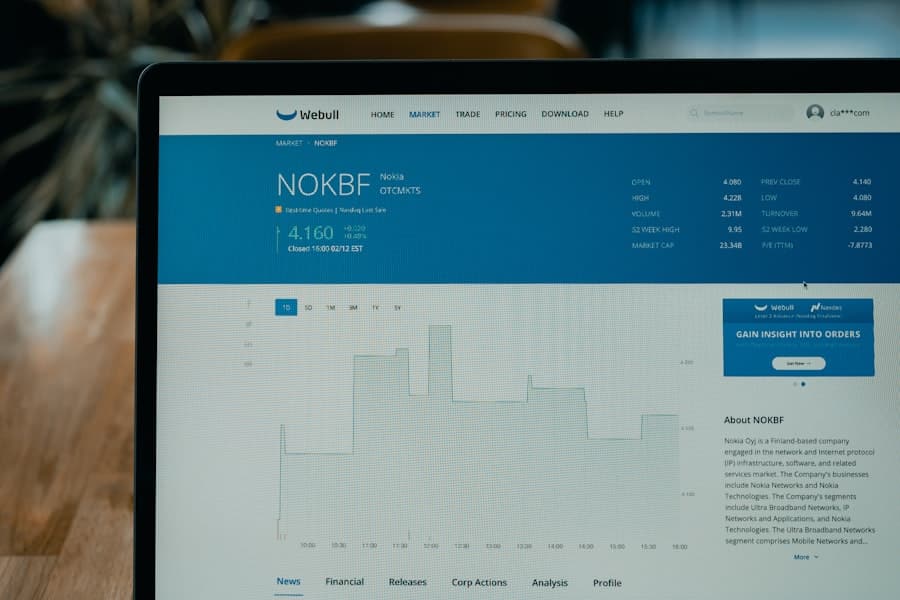
Currency exchange rates play a pivotal role in international investments, influencing both the value of your assets and your overall returns. When you invest in foreign markets, fluctuations in exchange rates can either enhance or diminish your profits when converting back to your home currency. Therefore, it’s essential for you to monitor currency trends and understand how they may impact your investments.
To mitigate currency risk, consider employing strategies such as hedging or diversifying your currency exposure across multiple countries. Additionally, some investment vehicles like currency-hedged ETFs can help protect against adverse currency movements. By being proactive in managing currency risks, you can safeguard your international investments and enhance your overall portfolio performance.
Managing the Tax Implications of International Investments
Tax implications are an important consideration when investing internationally. Different countries have varying tax laws that can affect your returns on investment. For instance, some nations may impose withholding taxes on dividends or interest earned by foreign investors, which can reduce your overall profit margins.
To navigate these complexities effectively, it’s advisable for you to consult with a tax professional who specializes in international investments. They can help you understand the tax treaties between your home country and the countries where you are investing, potentially allowing you to minimize tax liabilities. Additionally, being aware of reporting requirements for foreign investments is crucial to ensure compliance with tax regulations.
Evaluating the Political and Economic Stability of Different Countries for Investment
The political and economic stability of a country significantly influences its attractiveness as an investment destination. As an investor, you should assess factors such as government stability, economic growth rates, inflation levels, and social conditions before committing capital to a foreign market. Countries with stable political environments tend to provide a more predictable investment landscape.
You can utilize various resources to evaluate a country’s stability, including reports from international organizations like the World Bank or the International Monetary Fund (IMF). Additionally, keeping an eye on news related to political developments or economic indicators will help you stay informed about potential risks associated with specific markets. By conducting thorough evaluations of political and economic conditions, you can make more informed decisions about where to allocate your investment capital.
Utilizing International Investment Vehicles such as ETFs, ADRs, and Mutual Funds
For many investors, direct investment in foreign stocks or bonds may seem daunting due to the complexities involved. Fortunately, there are several international investment vehicles available that can simplify the process for you. Exchange-traded funds (ETFs), American Depositary Receipts (ADRs), and mutual funds are popular options that provide exposure to international markets without requiring extensive knowledge of individual companies.
ETFs are particularly appealing because they offer diversification across a basket of international assets while being traded like stocks on exchanges. ADRs allow you to invest in foreign companies listed on U.S. exchanges, making it easier to access international equities without dealing with foreign currencies directly.
Mutual funds also provide a way to pool resources with other investors to gain exposure to global markets managed by professional fund managers. By utilizing these investment vehicles, you can effectively diversify your portfolio while minimizing some of the complexities associated with direct international investing.
Seeking Professional Guidance and Advice for International Investment Strategies
Navigating the world of international investments can be complex and overwhelming at times. Seeking professional guidance from financial advisors or investment managers who specialize in global markets can be invaluable for you as an investor. These professionals possess expertise in identifying opportunities across different regions and understanding the nuances of various markets.
When selecting an advisor or firm, look for those with a proven track record in international investing and a deep understanding of global economic trends. They can help tailor an investment strategy that aligns with your financial goals while considering factors such as risk tolerance and time horizon. By leveraging their expertise, you can make more informed decisions and potentially enhance your investment outcomes.
Monitoring and Adjusting International Investments to Maintain Diversification and Manage Risk
Once you’ve established an international investment portfolio, ongoing monitoring is essential to ensure it remains aligned with your goals and risk tolerance. Markets are dynamic; therefore, regular reviews will help you identify any necessary adjustments based on changing economic conditions or shifts in geopolitical landscapes. Consider setting up a schedule for periodic evaluations of your portfolio’s performance relative to benchmarks or indices relevant to your investments.
This practice will allow you to assess whether certain assets are underperforming or if new opportunities have emerged that warrant reallocation of resources. By actively managing your international investments and making timely adjustments as needed, you can maintain diversification while effectively managing risk over time. In conclusion, engaging in international investments opens up a world of opportunities for enhancing your portfolio’s performance through diversification and exposure to different economic environments.
By understanding the basics of international investing, assessing risks and benefits, conducting thorough research, navigating legal frameworks, developing diversified portfolios, considering currency impacts, managing tax implications, evaluating political stability, utilizing investment vehicles wisely, seeking professional guidance, and actively monitoring your investments—you’re well-equipped to embark on this rewarding journey into global markets.
If you are looking to diversify your wealth through international investments, you may also be interested in learning about the benefits of early retirement and financial independence. Check out this article to discover how you can achieve financial freedom and retire early while still enjoying a happy and fulfilling life.
FAQs
What are international investments?
International investments refer to the process of investing in assets or securities that are located outside of an investor’s home country. These investments can include stocks, bonds, real estate, and other financial instruments.
Why should I consider international investments to diversify my wealth?
Diversifying your investment portfolio with international investments can help reduce risk by spreading your investments across different markets and economies. It can also provide access to new opportunities and potential for higher returns.
What are the complexities of international investments?
The complexities of international investments can include currency exchange rates, geopolitical risks, regulatory differences, and cultural differences. These factors can impact the performance and stability of international investments.
How can I navigate the complexities of international investments?
To navigate the complexities of international investments, it is important to conduct thorough research, seek professional advice, and stay informed about global economic and political developments. Diversifying across different countries and regions can also help mitigate risks.
What are some common strategies for international investments?
Common strategies for international investments include investing in global mutual funds, exchange-traded funds (ETFs), and American Depositary Receipts (ADRs). Additionally, some investors may choose to directly invest in foreign stocks, bonds, or real estate.