
As you navigate the complex world of investing, understanding current trends and market insights becomes essential for making informed decisions. The investment landscape is constantly evolving, influenced by a myriad of factors ranging from economic indicators to global events. By keeping a pulse on these trends, you can position yourself to capitalize on opportunities and mitigate risks.
This article aims to provide you with a comprehensive overview of the current investment climate, emerging trends, and strategies to enhance your portfolio. In recent years, the investment arena has witnessed significant shifts, driven by technological advancements, changing consumer behaviors, and geopolitical developments. As you delve into this article, you will gain insights into how these factors shape market dynamics and influence investor sentiment.
Whether you are a seasoned investor or just starting your journey, understanding these elements will empower you to make strategic choices that align with your financial goals.
Key Takeaways
- Investment trends are constantly evolving and it is important to stay updated with market insights.
- Understanding the current market environment is crucial for making informed investment decisions.
- Keep an eye on emerging investment trends and opportunities to capitalize on potential growth areas.
- Global events have a significant impact on investment markets and it is important to analyze their effects.
- Analysis of key economic indicators provides valuable market insights for making investment decisions.
Understanding the Current Market Environment
To effectively navigate the investment landscape, it is crucial to grasp the current market environment. Economic conditions, interest rates, inflation rates, and employment figures all play pivotal roles in shaping market performance. As you analyze these factors, consider how they impact various asset classes, including stocks, bonds, and real estate.
For instance, rising interest rates may lead to a decline in bond prices while creating opportunities in sectors that benefit from higher borrowing costs. Moreover, geopolitical tensions and trade policies can significantly influence market sentiment. As you assess the current environment, pay attention to how international relations affect global supply chains and commodity prices.
Understanding these dynamics will enable you to make more informed investment decisions and anticipate potential market shifts.
Emerging Investment Trends and Opportunities
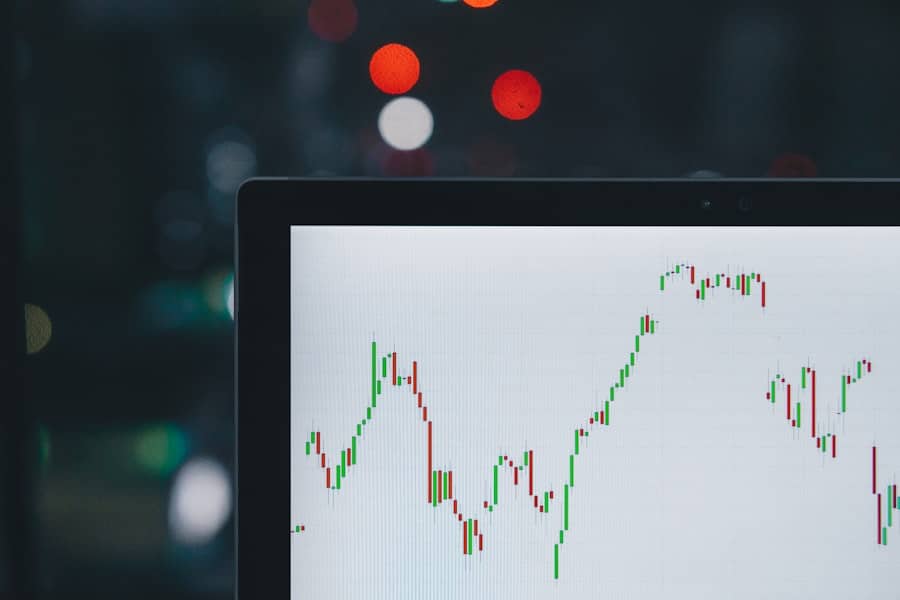
As you explore emerging investment trends, it becomes evident that certain sectors are gaining traction due to technological advancements and changing consumer preferences. One notable trend is the rise of sustainable investing, where investors prioritize environmental, social, and governance (ESG) factors in their decision-making process. This shift reflects a growing awareness of climate change and social responsibility among investors, leading to increased demand for green technologies and renewable energy sources.
Additionally, the digital transformation of industries has opened up new avenues for investment. The proliferation of e-commerce, fintech solutions, and telehealth services has created opportunities for investors willing to embrace innovation. As you consider your investment strategy, look for companies that are at the forefront of these trends, as they may offer significant growth potential in the coming years.
Impact of Global Events on Investment Markets
Global events can have profound effects on investment markets, often leading to increased volatility and uncertainty. As you reflect on recent occurrences such as pandemics, political upheavals, or natural disasters, consider how these events have shaped investor behavior and market performance. For instance, the COVID-19 pandemic prompted a rapid shift towards remote work and digital solutions, resulting in a surge in technology stocks while traditional sectors faced challenges.
Furthermore, geopolitical tensions can create ripple effects across markets. Trade disputes or military conflicts may disrupt supply chains and impact commodity prices, leading to fluctuations in stock valuations. By staying informed about global events and their potential implications for your investments, you can better navigate periods of uncertainty and make proactive adjustments to your portfolio.
Market Insights: Analysis of Key Economic Indicators
To gain a deeper understanding of market dynamics, it is essential to analyze key economic indicators that provide insights into overall economic health. Metrics such as gross domestic product (GDP), unemployment rates, inflation rates, and consumer confidence indices offer valuable information about the state of the economy. As you evaluate these indicators, consider how they correlate with market performance and investor sentiment.
For example, a rising GDP typically signals economic growth, which can lead to increased corporate earnings and higher stock prices. Conversely, high inflation rates may erode purchasing power and prompt central banks to raise interest rates, potentially impacting market valuations. By closely monitoring these indicators, you can make more informed investment decisions that align with prevailing economic conditions.
Sector Analysis: Identifying Promising Industries for Investment
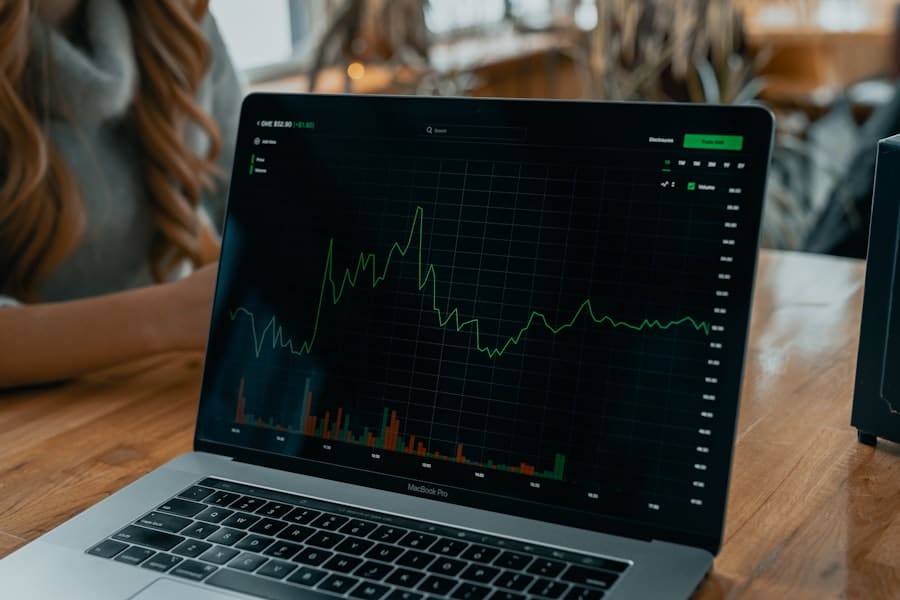
As you seek promising industries for investment, conducting a thorough sector analysis is crucial. Different sectors respond uniquely to economic cycles and market trends. For instance, during periods of economic expansion, consumer discretionary sectors such as retail and travel may thrive as consumers increase spending.
Conversely, defensive sectors like utilities and healthcare tend to perform well during economic downturns due to their essential nature. In addition to traditional sectors, emerging industries such as biotechnology and renewable energy are gaining attention from investors. These sectors not only align with current trends but also offer significant growth potential as they address pressing global challenges.
By diversifying your investments across various sectors and staying attuned to industry developments, you can enhance your portfolio’s resilience and capitalize on growth opportunities.
Market Volatility and Risk Management Strategies
Market volatility is an inherent aspect of investing that can evoke fear and uncertainty among investors. As you navigate this landscape, it is essential to develop effective risk management strategies to protect your investments. One approach is diversification—spreading your investments across different asset classes and sectors to reduce exposure to any single investment’s performance.
Additionally, employing stop-loss orders can help limit potential losses by automatically selling a security when it reaches a predetermined price. As you consider your risk tolerance and investment goals, developing a comprehensive risk management plan will enable you to weather market fluctuations with greater confidence.
Investor Sentiment and Behavioral Finance
Understanding investor sentiment is crucial for making informed investment decisions. Behavioral finance explores how psychological factors influence investor behavior and market outcomes. As you reflect on your own investment decisions, consider how emotions such as fear and greed can impact your choices.
For instance, during periods of market euphoria, investors may become overly optimistic and chase after high-flying stocks without conducting thorough research. Conversely, during market downturns, fear may lead to panic selling and missed opportunities for long-term gains. By cultivating self-awareness and recognizing the psychological biases that may affect your decision-making process, you can approach investing with a more rational mindset.
Long-Term Investment Strategies in a Changing Market
In a rapidly changing market environment, adopting long-term investment strategies is essential for achieving sustainable growth. Rather than attempting to time the market or react impulsively to short-term fluctuations, focus on building a diversified portfolio that aligns with your financial goals and risk tolerance. Consider employing strategies such as dollar-cost averaging—investing a fixed amount regularly regardless of market conditions—to mitigate the impact of volatility on your investments.
Additionally, maintaining a long-term perspective allows you to ride out market fluctuations while benefiting from compounding returns over time.
The Role of Technology and Innovation in Investment Trends
Technology continues to reshape the investment landscape in profound ways. From algorithmic trading to robo-advisors, advancements in technology have democratized access to investment opportunities and streamlined the decision-making process. As you explore these innovations, consider how they can enhance your investment strategy.
For instance, utilizing data analytics tools can provide valuable insights into market trends and help identify potential investment opportunities. Additionally, blockchain technology is revolutionizing the way transactions are conducted and assets are managed, offering new avenues for investment in cryptocurrencies and decentralized finance (DeFi). By embracing technology and staying informed about emerging innovations, you can position yourself at the forefront of evolving investment trends.
Expert Perspectives and Predictions for Future Investment Trends
As you look ahead to future investment trends, seeking expert perspectives can provide valuable insights into potential market developments. Analysts often examine macroeconomic factors, industry trends, and geopolitical dynamics to formulate predictions about where markets may be headed. For example, experts may highlight the growing importance of sustainable investing as consumers increasingly prioritize ethical considerations in their purchasing decisions.
Additionally, advancements in artificial intelligence and automation may reshape industries and create new investment opportunities in tech-driven sectors. By staying attuned to expert analyses and forecasts, you can refine your investment strategy and position yourself for success in an ever-changing market landscape. In conclusion, navigating the world of investments requires a keen understanding of current trends and market insights.
By staying informed about economic indicators, emerging sectors, global events, and technological advancements, you can make strategic decisions that align with your financial goals. Embracing long-term strategies while managing risk will empower you to thrive in an evolving investment landscape.
If you are interested in learning more about strategies for saving and investing for early retirement, check out this article on Financial Freedom Today. This article provides valuable insights and tips on how to plan for retirement at an early age. Additionally, if you are considering real estate investment as part of your portfolio, you may want to read this article on flipping properties. Understanding different investment strategies and money management principles, as discussed in this article, can help you make informed decisions and achieve your financial goals.
FAQs
What are investment trends?
Investment trends refer to the patterns and movements in the financial markets that investors use to make decisions about where to allocate their capital. These trends can include shifts in asset classes, industry sectors, geographic regions, and investment styles.
What are market insights?
Market insights are the observations and analysis of current market conditions, including factors such as economic indicators, geopolitical events, and industry developments. These insights help investors understand the potential risks and opportunities in the market.
How do investment trends and market insights impact investment decisions?
Investment trends and market insights provide valuable information for investors to make informed decisions about where to allocate their capital. By understanding the current trends and insights, investors can adjust their investment strategies to capitalize on opportunities and mitigate risks.
What are some current investment trends?
Some current investment trends include the rise of sustainable and ESG (Environmental, Social, and Governance) investing, the growth of technology and innovation-focused investments, and the increasing interest in emerging markets and alternative assets such as cryptocurrencies and private equity.
Where can investors find market insights?
Investors can find market insights from a variety of sources, including financial news outlets, research reports from investment banks and brokerage firms, economic data releases from government agencies, and analysis from industry experts and financial professionals.