
As you navigate the complex landscape of personal finance, understanding economic conditions and market volatility becomes essential. Economic conditions refer to the state of the economy at a given time, influenced by factors such as employment rates, inflation, and consumer confidence. Market volatility, on the other hand, describes the fluctuations in asset prices, which can be influenced by economic indicators, geopolitical events, and investor sentiment.
Together, these elements create a dynamic environment that can significantly impact your wealth-building journey. In today’s fast-paced world, you may find that economic conditions can shift rapidly, leading to periods of uncertainty and unpredictability in the markets. This volatility can be daunting, especially for those looking to grow their wealth.
However, by understanding these concepts and their interplay, you can better position yourself to make informed financial decisions. Recognizing how economic conditions affect market behavior will empower you to navigate the ups and downs of investing with greater confidence.
Key Takeaways
- Economic conditions and market volatility have a significant impact on wealth building.
- Understanding market volatility is crucial for successful wealth building.
- Diversification is important for mitigating the impact of market volatility on wealth building.
- Economic recessions can have a negative impact on wealth building.
- Global economic conditions can influence wealth building opportunities.
The Role of Economic Conditions in Wealth Building
Economic conditions play a pivotal role in shaping your wealth-building strategies. When the economy is thriving, characterized by low unemployment and rising consumer spending, you may find more opportunities for investment and growth. In such an environment, businesses tend to flourish, leading to increased stock prices and higher returns on investments.
This positive economic climate can encourage you to take calculated risks, knowing that the potential for reward is greater. Conversely, during periods of economic downturn or stagnation, your approach to wealth building may need to shift. High unemployment rates and declining consumer confidence can lead to reduced spending and lower corporate profits.
In these times, it becomes crucial to reassess your investment strategies and focus on preserving your capital. Understanding the current economic landscape allows you to make informed decisions about where to allocate your resources, ensuring that you remain resilient even in challenging times.
Understanding Market Volatility and its Impact on Wealth Building
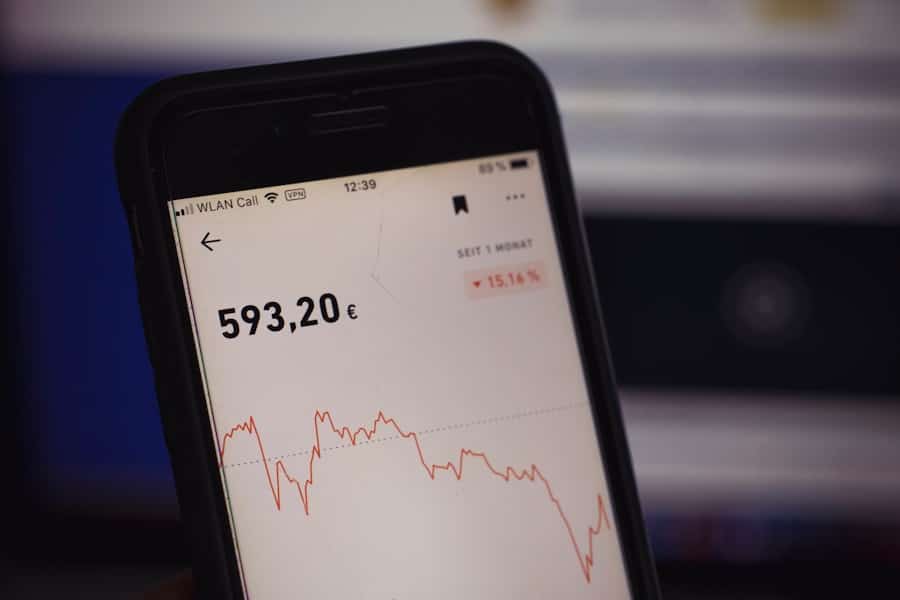
Market volatility is an inherent aspect of investing that can significantly influence your wealth-building efforts. It refers to the degree of variation in asset prices over time, which can be caused by various factors such as economic data releases, political events, or changes in investor sentiment. As you engage with the markets, it’s essential to recognize that volatility can present both risks and opportunities.
When markets are volatile, you may experience sharp fluctuations in the value of your investments. While this can be unsettling, it also creates opportunities for savvy investors. For instance, during a market dip, you might find undervalued assets that have the potential for significant appreciation when the market stabilizes.
By understanding market volatility and its implications, you can develop a mindset that embraces these fluctuations as part of your wealth-building journey rather than viewing them solely as threats.
Strategies for Wealth Building in a Volatile Market
In a volatile market, having a robust strategy for wealth building is crucial. One effective approach is to adopt a long-term perspective. Rather than reacting impulsively to short-term market movements, focus on your long-term financial goals.
This mindset allows you to ride out the inevitable ups and downs of the market without making hasty decisions that could jeopardize your wealth-building efforts. Another strategy is to engage in dollar-cost averaging. This technique involves consistently investing a fixed amount of money at regular intervals, regardless of market conditions.
By doing so, you can mitigate the impact of volatility on your investments. When prices are low, your fixed investment buys more shares; when prices are high, it buys fewer shares. Over time, this approach can lead to a lower average cost per share and help you build wealth more effectively.
The Importance of Diversification in Wealth Building
Diversification is a fundamental principle of investing that can help protect your wealth during periods of market volatility. By spreading your investments across various asset classes—such as stocks, bonds, real estate, and commodities—you reduce the risk associated with any single investment. This strategy allows you to cushion your portfolio against significant losses when one sector underperforms.
As you consider diversification, it’s essential to assess your risk tolerance and investment goals. A well-diversified portfolio not only helps mitigate risk but also positions you to take advantage of different market conditions. For instance, while stocks may perform well during economic expansions, bonds may provide stability during downturns.
By balancing your investments across various asset classes, you can create a more resilient portfolio that supports your wealth-building objectives.
How Economic Conditions Affect Investment Opportunities
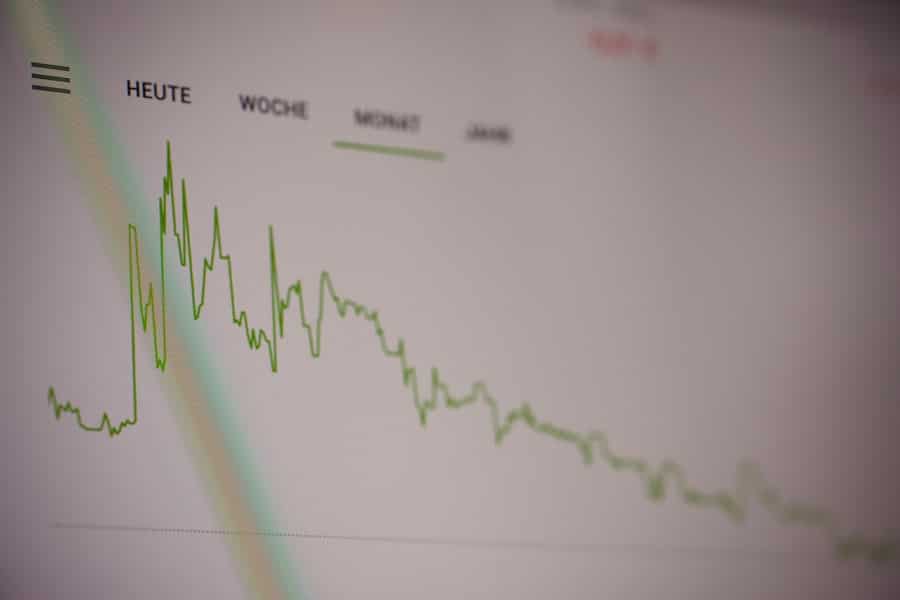
Economic conditions directly influence the types of investment opportunities available to you. In a booming economy, sectors such as technology and consumer discretionary often thrive, presenting lucrative investment options. Conversely, during economic slowdowns or recessions, defensive sectors like utilities and healthcare may become more attractive due to their stability and consistent demand.
Understanding these trends allows you to align your investment strategy with prevailing economic conditions. For example, if indicators suggest an impending recession, you might consider reallocating your portfolio towards more defensive assets that are less sensitive to economic fluctuations. By staying attuned to economic signals and adjusting your investment approach accordingly, you can capitalize on opportunities while minimizing potential risks.
The Impact of Inflation on Wealth Building
Inflation is another critical factor that affects your wealth-building efforts. It refers to the general increase in prices over time, which erodes purchasing power. As inflation rises, the real value of your savings diminishes unless your investments generate returns that outpace inflation.
This reality underscores the importance of investing in assets that have the potential for growth. To combat inflation’s impact on your wealth-building journey, consider incorporating assets such as stocks or real estate into your portfolio. Historically, these asset classes have provided returns that exceed inflation over the long term.
Additionally, inflation-protected securities (TIPS) can offer a safeguard against rising prices by adjusting their principal value based on inflation rates. By being proactive about inflation in your investment strategy, you can work towards preserving and growing your wealth.
The Role of Interest Rates in Wealth Building
Interest rates play a significant role in shaping economic conditions and influencing your wealth-building strategies. When interest rates are low, borrowing costs decrease, making it easier for individuals and businesses to access credit. This environment often stimulates economic growth and can lead to rising asset prices—beneficial for investors like yourself.
Conversely, when interest rates rise, borrowing becomes more expensive, which can slow down economic activity and impact asset prices negatively. As an investor, it’s essential to monitor interest rate trends and adjust your strategies accordingly. For instance, if rates are expected to rise significantly, you might consider reallocating investments away from interest-sensitive assets like bonds or real estate in favor of equities that may offer better growth potential in a higher-rate environment.
How Economic Recessions Impact Wealth Building
Economic recessions pose unique challenges for wealth building but also present opportunities for those who are prepared. During a recession, consumer spending typically declines, leading to lower corporate profits and falling asset prices. As an investor, this environment may prompt you to reassess your portfolio and focus on preserving capital.
However, recessions can also create opportunities for savvy investors who are willing to look beyond short-term challenges. Many high-quality companies may see their stock prices decline during a recession due to overall market sentiment rather than their fundamental performance. This situation can provide an opportunity for you to acquire undervalued assets with strong long-term growth potential at discounted prices.
By maintaining a disciplined approach during economic downturns, you can position yourself for future success when the economy eventually recovers.
The Influence of Global Economic Conditions on Wealth Building
In our interconnected world, global economic conditions significantly influence local markets and investment opportunities. Factors such as international trade policies, geopolitical tensions, and global economic growth rates can all impact your wealth-building strategies. As an investor, staying informed about global trends is essential for making sound financial decisions.
For instance, if emerging markets are experiencing rapid growth while developed economies face stagnation, you might consider reallocating some of your investments towards those emerging markets for potentially higher returns. Additionally, global events such as trade agreements or conflicts can create volatility in specific sectors or asset classes. By understanding these global dynamics and their implications for local markets, you can better navigate your investment strategy in pursuit of wealth building.
Navigating Wealth Building in Changing Economic Conditions and Market Volatility
In conclusion, navigating wealth building amidst changing economic conditions and market volatility requires a proactive and informed approach. By understanding the interplay between economic indicators and market behavior, you can make strategic decisions that align with your financial goals. Embracing diversification and maintaining a long-term perspective will help you weather periods of uncertainty while capitalizing on opportunities as they arise.
As you continue on your wealth-building journey, remember that both challenges and opportunities will emerge from the ever-evolving economic landscape. By staying informed about economic conditions—such as inflation rates and interest trends—and adapting your strategies accordingly, you will be better equipped to build lasting wealth over time. Ultimately, cultivating resilience and flexibility in your investment approach will empower you to thrive in any economic environment.
If you are interested in financial planning and wealth building, you may also want to check out this article on financial planning for parents saving for college. This article provides valuable insights on how to save and invest for your child’s education while also building wealth for the future. It offers practical tips and strategies for parents looking to secure their financial future and provide for their children’s education.
FAQs
What are economic conditions?
Economic conditions refer to the state of the economy at a given time, including factors such as employment, inflation, interest rates, and overall economic growth.
How do economic conditions impact wealth building?
Economic conditions can impact wealth building in various ways, such as affecting job opportunities, investment returns, and the cost of living. During periods of economic growth, individuals may have more opportunities to increase their income and build wealth. Conversely, during economic downturns, individuals may face challenges such as job loss and decreased investment returns, which can hinder wealth building.
What is market volatility?
Market volatility refers to the degree of variation in the price of a financial instrument or asset over time. It is often used to describe the fluctuations in stock prices, but can also apply to other types of investments.
How does market volatility impact wealth building?
Market volatility can impact wealth building by affecting the value of investment portfolios. During periods of high volatility, investment values may fluctuate significantly, potentially leading to both gains and losses for investors. This can impact the overall growth of wealth and the ability to achieve long-term financial goals.
What strategies can individuals use to navigate economic conditions and market volatility for wealth building?
Individuals can navigate economic conditions and market volatility by diversifying their investment portfolios, maintaining a long-term perspective, and staying informed about economic trends. Additionally, having a financial plan that accounts for potential economic fluctuations can help individuals stay on track with their wealth building goals.