
You may find it fascinating to consider how currency has evolved over the centuries, transitioning from simple barter systems to the complex digital currencies we see today. In ancient times, people relied on direct exchanges of goods and services. If you were a farmer, you might trade a bushel of wheat for a pair of shoes made by a cobbler.
This system, while straightforward, had its limitations. The need for a double coincidence of wants meant that both parties had to desire what the other offered, which often led to inefficiencies and frustrations. As societies grew more complex, the limitations of barter became apparent.
You might have noticed that the introduction of commodity money—items like gold, silver, or even salt—provided a solution. These commodities had intrinsic value and could be used as a medium of exchange. Eventually, coins were minted, and paper currency emerged, making transactions easier and more standardized.
This evolution marked a significant shift in how you and others conducted trade, paving the way for modern economies. Today, we stand on the brink of yet another transformation as digital currencies begin to reshape our understanding of money.
Key Takeaways
- Currency has evolved from barter to digital, with digital currency being the latest form of exchange.
- Digital currency is a virtual form of money that operates independently of a central bank and can be transferred electronically.
- The benefits of digital currency include efficiency, security, and accessibility for users.
- Blockchain technology plays a crucial role in digital currency by providing a decentralized and secure way to record transactions.
- Digital currency is disrupting traditional banking systems by offering faster and cheaper transactions.
Understanding Digital Currency: What is it and How Does it Work?
Digital currency is a term that encompasses various forms of money that exist only in electronic form. You might be familiar with traditional currencies like the dollar or euro, but digital currencies operate on a different level. They are not issued by any central authority, which means they can function independently of traditional banking systems.
This independence is one of the key features that sets digital currency apart from what you might consider “regular” money. At its core, digital currency relies on technology to facilitate transactions. When you engage in a transaction using digital currency, it is recorded on a decentralized ledger known as blockchain.
This ledger is accessible to all participants in the network, ensuring transparency and security. You can think of blockchain as a digital record book that keeps track of every transaction made with the currency. Each entry is encrypted and linked to the previous one, creating an unalterable chain of information.
This innovative approach not only enhances security but also reduces the risk of fraud, making digital currency an appealing option for many.
The Benefits of Digital Currency: Efficiency, Security, and Accessibility

One of the most compelling advantages of digital currency is its efficiency. When you make a transaction using traditional banking methods, it often involves multiple intermediaries, which can slow down the process and incur additional fees. In contrast, digital currency transactions can be completed almost instantaneously, regardless of geographical barriers.
This speed can be particularly beneficial for international transactions, where traditional methods may take days to process. Security is another significant benefit that digital currency offers. With traditional banking systems, you may have experienced concerns about identity theft or fraud. Digital currencies utilize advanced cryptographic techniques to secure transactions and protect user identities. When you send or receive digital currency, your personal information remains private, reducing the risk of unauthorized access.
Additionally, the decentralized nature of blockchain technology means that there is no single point of failure, making it much harder for hackers to compromise the system. Accessibility is yet another advantage that digital currencies bring to the table. You may have noticed that not everyone has access to traditional banking services, particularly in developing regions.
Digital currencies can bridge this gap by allowing anyone with an internet connection to participate in the financial system. This inclusivity empowers individuals who may have been excluded from traditional banking due to geographical or economic barriers.
The Role of Blockchain Technology in Digital Currency
| Aspect | Metrics |
|---|---|
| Security | Encryption strength |
| Efficiency | Transactions per second |
| Transparency | Public ledger accessibility |
| Decentralization | Number of nodes in the network |
Blockchain technology serves as the backbone of digital currency, providing the infrastructure necessary for secure and transparent transactions. You might be surprised to learn that blockchain is not just limited to cryptocurrencies; its applications extend far beyond that realm. At its essence, blockchain is a distributed ledger technology that records transactions across multiple computers in a way that ensures data integrity and security.
When you engage with digital currency, each transaction is grouped into blocks and added to a chain in chronological order. This process creates an immutable record that cannot be altered without consensus from the network participants. You can think of it as a public library where every book represents a block filled with transaction information.
Once a book is placed on the shelf, it cannot be removed or changed without everyone noticing. The decentralized nature of blockchain also means that no single entity controls the entire network. This democratization of data fosters trust among users since everyone has access to the same information.
As you navigate through this new financial landscape, understanding blockchain’s role will help you appreciate how it enhances security and transparency in digital currency transactions.
The Impact of Digital Currency on Traditional Banking Systems
As digital currencies gain traction, their impact on traditional banking systems becomes increasingly evident. You may have noticed that banks are beginning to adapt to this new reality by exploring ways to integrate digital currencies into their services. Some banks are even developing their own digital currencies or partnering with existing cryptocurrencies to offer customers more options.
However, this shift does not come without challenges for traditional banks. You might find it interesting that many financial institutions are grappling with how to remain relevant in an era where consumers are seeking faster and more efficient ways to manage their finances. The rise of digital currencies has prompted banks to rethink their business models and explore innovative solutions that cater to tech-savvy customers.
Moreover, as you consider the future of banking, it’s essential to recognize that digital currencies could lead to increased competition within the financial sector. With fewer barriers to entry, new players can emerge and offer services that challenge established banks’ dominance. This competition could ultimately benefit you as a consumer by driving down costs and improving service quality.
The Rise of Cryptocurrencies: Bitcoin, Ethereum, and Beyond
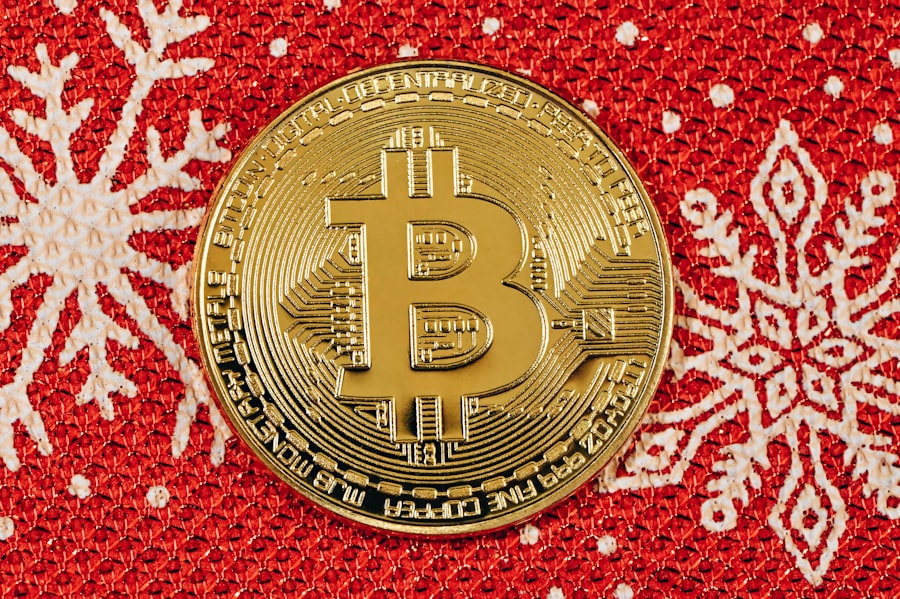
You may have heard about Bitcoin as the pioneer of cryptocurrencies, but it is just one part of a much larger ecosystem. Since Bitcoin’s inception in 2009, thousands of alternative cryptocurrencies have emerged, each with unique features and use cases. Ethereum, for instance, introduced smart contracts—self-executing contracts with the terms directly written into code—allowing developers to create decentralized applications (dApps) on its platform.
The rise of cryptocurrencies has captured your attention for various reasons. For some, they represent an opportunity for investment and wealth generation; for others, they symbolize a shift toward decentralized finance (DeFi) that empowers individuals by removing intermediaries from financial transactions. As you explore this landscape further, you’ll discover that cryptocurrencies are not just speculative assets; they also have practical applications in areas such as remittances, supply chain management, and even voting systems.
However, it’s essential to approach this new frontier with caution. The volatility associated with cryptocurrencies can lead to significant financial risks if you’re not well-informed about market dynamics. As you consider investing or using cryptocurrencies in your daily life, staying educated about their potential benefits and pitfalls will be crucial.
Regulatory Challenges and the Future of Digital Currency
As digital currencies continue to gain popularity, regulatory challenges are becoming increasingly prominent. You might be aware that governments around the world are grappling with how to regulate this rapidly evolving space while balancing innovation with consumer protection. The lack of clear regulations can create uncertainty for both users and businesses operating in the digital currency realm.
One significant concern for regulators is the potential for illicit activities associated with cryptocurrencies, such as money laundering or tax evasion. As you navigate this landscape, it’s essential to understand that regulatory frameworks are being developed to address these issues while fostering innovation. Some countries have embraced digital currencies by creating favorable regulatory environments, while others have taken a more cautious approach.
Looking ahead, you can expect ongoing discussions about how best to regulate digital currencies without stifling their growth potential. As governments work toward establishing clear guidelines, staying informed about regulatory developments will be crucial for anyone interested in participating in this new financial ecosystem.
Embracing the Future: How Digital Currency is Changing the Financial Landscape
As you reflect on the evolution of currency and the rise of digital currencies, it’s clear that we are witnessing a transformative moment in financial history. Digital currencies are not just a passing trend; they represent a fundamental shift in how you think about money and transactions. The convenience and efficiency they offer are reshaping consumer expectations and pushing traditional financial institutions to adapt or risk obsolescence.
You may find it exciting to consider how this transformation could impact your daily life in the coming years. Imagine making instant payments across borders without incurring hefty fees or waiting days for processing times—this is becoming increasingly possible thanks to digital currencies and blockchain technology. Moreover, as more people gain access to these financial tools, we could see greater economic inclusion and empowerment for individuals who have historically been marginalized by traditional banking systems.
In conclusion, embracing digital currency means embracing change—a change that has the potential to redefine your relationship with money and finance altogether. As you navigate this evolving landscape, staying informed and adaptable will be key to harnessing the benefits that digital currencies offer while mitigating potential risks along the way.
If you are interested in exploring tax-efficient investing strategies to maximize your returns, you may want to check out this article on tax-efficient investing. Understanding how to minimize taxes on your investments can be crucial in building wealth and achieving financial independence. Additionally, if you are looking to diversify your investment portfolio, you may want to consider exploring real estate investment strategies such as crowdfunding real estate projects, as discussed in this article on real estate investment strategies. By incorporating different asset classes like digital currency and real estate, you can create a well-rounded investment portfolio that can help you achieve your financial goals.
FAQs
What is digital currency?
Digital currency is a type of currency that is available only in digital or electronic form. It does not have a physical counterpart like paper money or coins.
How does digital currency work?
Digital currency operates using technology such as blockchain, which allows for secure and decentralized transactions. Transactions are recorded on a public ledger and can be verified by network participants.
What are the different types of digital currency?
There are various types of digital currency, including cryptocurrencies like Bitcoin, Ethereum, and Litecoin, as well as central bank digital currencies (CBDCs) issued by governments.
Is digital currency legal?
The legality of digital currency varies by country. Some countries have embraced digital currency and have regulations in place, while others have imposed restrictions or outright bans.
What are the benefits of using digital currency?
Digital currency offers benefits such as lower transaction fees, faster cross-border transactions, increased financial inclusion, and potential for innovation in financial services.
What are the risks of using digital currency?
Risks associated with digital currency include price volatility, security concerns, potential for fraud and scams, and regulatory uncertainty.
How can I acquire digital currency?
Digital currency can be acquired through various means, including purchasing from cryptocurrency exchanges, receiving it as payment for goods or services, or mining (in the case of cryptocurrencies).
How can I store digital currency?
Digital currency can be stored in digital wallets, which can be hardware devices, software applications, or online platforms. It is important to choose a secure and reputable wallet for storing digital currency.