
When you think about investing, one of the most powerful concepts to grasp is compound interest. This financial principle allows your money to grow exponentially over time, as you earn interest not only on your initial investment but also on the interest that accumulates. Imagine you invest a sum of money today; as time passes, the interest you earn will start to generate its own interest.
This snowball effect can significantly increase your wealth, especially if you give it enough time to work in your favor. To truly appreciate the impact of compound interest, consider the time factor. The earlier you start investing, the more pronounced the effects of compounding will be.
For instance, if you invest $1,000 at an annual interest rate of 5%, after 20 years, you will have approximately $2,653. However, if you wait just ten years to start investing, that same $1,000 will only grow to about $1,629. This stark difference illustrates how crucial it is to begin your investment journey as soon as possible.
The longer your money has to compound, the more wealth you can accumulate.
Key Takeaways
- Compound interest is the interest on a loan or deposit calculated based on both the initial principal and the accumulated interest from previous periods.
- Dollar-cost averaging is an investment strategy where an investor divides up the total amount to be invested across periodic purchases of a target asset in an effort to reduce the impact of volatility on the overall purchase.
- Compound interest and dollar-cost averaging can work together to help investors build wealth over time by consistently investing and allowing their returns to compound.
- To maximize returns with compound interest and dollar-cost averaging, it’s important to start investing early, stay consistent with contributions, and reinvest any dividends or interest earned.
- Implementing a strategy for compound interest and dollar-cost averaging involves setting clear investment goals, choosing suitable investment vehicles, and regularly reviewing and adjusting the strategy as needed.
The Benefits of Dollar-Cost Averaging
Dollar-cost averaging (DCA) is another essential strategy that can enhance your investment portfolio. This approach involves consistently investing a fixed amount of money at regular intervals, regardless of market conditions. By doing so, you can mitigate the risks associated with market volatility.
Instead of trying to time the market—an often futile endeavor—you focus on a disciplined investment routine that can lead to more favorable long-term outcomes. One of the primary benefits of dollar-cost averaging is that it helps reduce the emotional stress associated with investing. When markets fluctuate, it’s easy to feel anxious and second-guess your decisions.
However, by committing to a set investment schedule, you can take the guesswork out of the equation. You’ll be buying more shares when prices are low and fewer shares when prices are high, which can lead to a lower average cost per share over time. This strategy not only promotes consistency but also encourages a long-term mindset that is crucial for successful investing.
How Compound Interest and Dollar-Cost Averaging Work Together
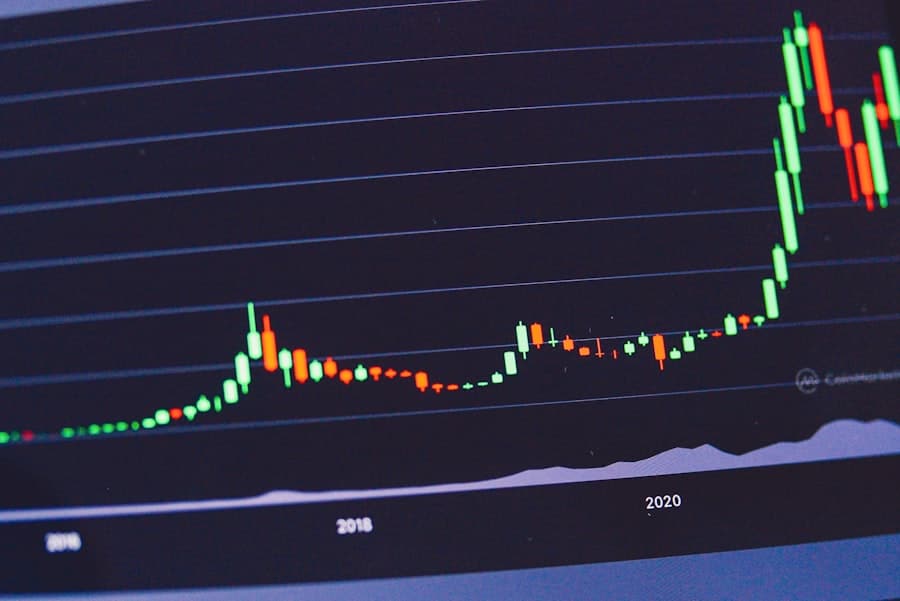
When you combine compound interest with dollar-cost averaging, you create a powerful synergy that can significantly enhance your investment returns. By consistently investing a fixed amount over time, you allow your money to benefit from compounding while simultaneously taking advantage of market fluctuations. This dual approach can lead to substantial growth in your portfolio over the long term.
For example, let’s say you decide to invest $200 every month into a retirement account that earns an average annual return of 7%. Over 30 years, not only will your consistent contributions add up, but the compound interest will also work its magic on your total investment. The result?
You could end up with a nest egg that far exceeds what you initially contributed. This illustrates how combining these two strategies can amplify your financial growth and help you achieve your long-term goals.
Maximizing Returns with Compound Interest and Dollar-Cost Averaging
To maximize your returns using compound interest and dollar-cost averaging, it’s essential to adopt a few best practices. First and foremost, ensure that you are investing in assets that have the potential for growth over time. Stocks, mutual funds, and exchange-traded funds (ETFs) are often good choices for long-term investors looking to harness the power of compounding.
Additionally, consider increasing your contributions as your financial situation improves. If you receive a raise or bonus, allocate a portion of that extra income toward your investments. By doing so, you not only increase your principal amount but also enhance the compounding effect over time.
Remember, even small increases in your monthly contributions can lead to significant differences in your overall returns due to the nature of compounding.
Implementing a Strategy for Compound Interest and Dollar-Cost Averaging
Implementing a strategy that incorporates both compound interest and dollar-cost averaging requires careful planning and discipline. Start by setting clear financial goals—whether it’s saving for retirement, a home purchase, or funding your child’s education. Once you have defined your objectives, determine how much you can afford to invest regularly without compromising your day-to-day financial needs.
Next, choose an investment vehicle that aligns with your goals and risk tolerance. Consider opening an individual retirement account (IRA) or a brokerage account where you can easily set up automatic contributions. By automating your investments, you ensure that you stick to your dollar-cost averaging strategy without having to think about it each month.
This level of commitment will help you stay on track and make steady progress toward achieving your financial aspirations.
Common Mistakes to Avoid with Compound Interest and Dollar-Cost Averaging

While compound interest and dollar-cost averaging are powerful tools for building wealth, there are common pitfalls that investors should be aware of. One major mistake is allowing emotions to dictate investment decisions. It’s easy to panic during market downturns and pull out investments or stop contributing altogether.
Remember that staying the course is vital; markets will fluctuate, but maintaining your investment strategy is key to long-term success. Another mistake is neglecting to review and adjust your investment strategy periodically. While dollar-cost averaging promotes consistency, it’s essential to assess whether your chosen investments are still aligned with your goals and risk tolerance.
As life circumstances change—such as a new job or family obligations—your investment strategy may need adjustments to ensure it continues to serve your best interests.
Real-Life Examples of Success with Compound Interest and Dollar-Cost Averaging
Many individuals have successfully harnessed the power of compound interest and dollar-cost averaging to achieve their financial goals. Take the story of Sarah, who began investing $300 per month into a diversified portfolio at age 25. By consistently contributing over 30 years and allowing her investments to grow at an average annual return of 8%, she amassed over $1 million by retirement age.
Sarah’s success was largely due to her commitment to both strategies—she didn’t try to time the market and allowed her investments to compound over time. Another inspiring example is John, who started investing later in life at age 40 but committed to dollar-cost averaging by contributing $500 monthly into an index fund. Despite starting later than many of his peers, John’s disciplined approach allowed him to build a substantial retirement fund by age 65.
His story highlights that it’s never too late to start investing; what matters most is consistency and a willingness to let compound interest work for you.
The Power of Compound Interest and Dollar-Cost Averaging for Long-Term Investing
In conclusion, understanding and leveraging compound interest alongside dollar-cost averaging can significantly enhance your investment journey. These two strategies work harmoniously to create a robust framework for building wealth over time. By starting early, staying disciplined, and avoiding common pitfalls, you can set yourself up for financial success.
As you embark on or continue your investment journey, remember that patience is key. The true power of compound interest lies in its ability to grow wealth exponentially over time, while dollar-cost averaging helps mitigate risks associated with market volatility. By combining these strategies effectively, you position yourself for long-term financial stability and prosperity.
So take action today—start investing consistently and watch as your money works for you in ways you may have never imagined possible.
Compound Interest and Dollar-Cost Averaging: The Perfect Partnership for Investors is a great article that highlights the benefits of these two investment strategies. For those looking to take control of their finances and start budgeting effectively, Financial Tools and Resources: Online Budgeting Tools offers valuable insights and tools to help individuals track their expenses and savings. Additionally, families looking to improve their financial situation can find useful tips and advice in Budgeting for Families. Overcoming financial obstacles can be challenging, but with the right strategies and mindset, individuals can achieve financial freedom as discussed in Overcoming Financial Obstacles: Strategies for Freedom.
FAQs
What is compound interest?
Compound interest is the interest calculated on the initial principal and also on the accumulated interest of previous periods. This means that interest is earned on interest, resulting in exponential growth of the investment over time.
What is dollar-cost averaging?
Dollar-cost averaging is an investment strategy where an investor regularly invests a fixed amount of money into a particular investment over a long period of time, regardless of the market conditions. This strategy helps to reduce the impact of market volatility on the overall investment.
How do compound interest and dollar-cost averaging work together?
Compound interest and dollar-cost averaging work together to maximize the growth of an investment over time. By consistently investing a fixed amount of money into an investment, the investor benefits from the power of compounding, as the returns are reinvested and generate additional returns.
What are the benefits of using compound interest and dollar-cost averaging together?
The combination of compound interest and dollar-cost averaging allows investors to benefit from the long-term growth potential of their investments while minimizing the impact of market fluctuations. This strategy can help investors build wealth steadily over time.
Are there any risks associated with using compound interest and dollar-cost averaging?
While compound interest and dollar-cost averaging are generally considered low-risk strategies, there is still the potential for investment losses, especially in the case of market downturns. It’s important for investors to carefully consider their risk tolerance and investment goals before implementing these strategies.