
In today’s fast-paced financial landscape, technology plays a pivotal role in shaping investment decision-making processes. As an investor, you are likely aware that the integration of advanced tools and systems can significantly enhance your ability to analyze market trends, assess risks, and identify lucrative opportunities. The advent of technology has transformed traditional investment strategies, allowing you to make more informed decisions based on real-time data and analytics.
This shift not only streamlines your investment processes but also empowers you to respond swiftly to market fluctuations. Moreover, technology has democratized access to financial information, enabling you to leverage resources that were once exclusive to institutional investors. With the rise of online trading platforms and mobile applications, you can now access a wealth of information at your fingertips.
This accessibility allows you to conduct thorough research, compare various investment options, and ultimately make decisions that align with your financial goals. As you navigate this evolving landscape, understanding the role of technology in investment decision-making becomes crucial for maximizing your potential returns.
Key Takeaways
- Technology plays a crucial role in investment decision making, providing access to real-time data and analysis tools.
- Data analytics is essential for market research and analysis, enabling investors to make informed decisions based on trends and patterns.
- Artificial intelligence and machine learning can enhance investment strategies by identifying opportunities and optimizing portfolio management.
- Big data is valuable for predictive modeling and risk assessment, helping investors anticipate market movements and mitigate potential risks.
- Robo-advisors and algorithmic trading can be integrated into investment portfolios to automate decision-making processes and execute trades efficiently.
Utilizing Data Analytics for Market Research and Analysis
Data analytics has emerged as a cornerstone of modern investment strategies, providing you with the tools necessary to conduct comprehensive market research and analysis. By harnessing the power of data analytics, you can sift through vast amounts of information to uncover patterns and trends that may influence your investment choices. This analytical approach enables you to make data-driven decisions rather than relying solely on intuition or anecdotal evidence.
As you delve into market research, data analytics allows you to segment information into manageable insights. You can analyze historical performance, assess market sentiment, and evaluate economic indicators to gain a holistic view of potential investments. By employing various analytical techniques, such as regression analysis or sentiment analysis, you can identify correlations that may not be immediately apparent.
This level of insight empowers you to make informed decisions that are grounded in empirical evidence, ultimately enhancing your investment outcomes.
Implementing Artificial Intelligence and Machine Learning in Investment Strategies
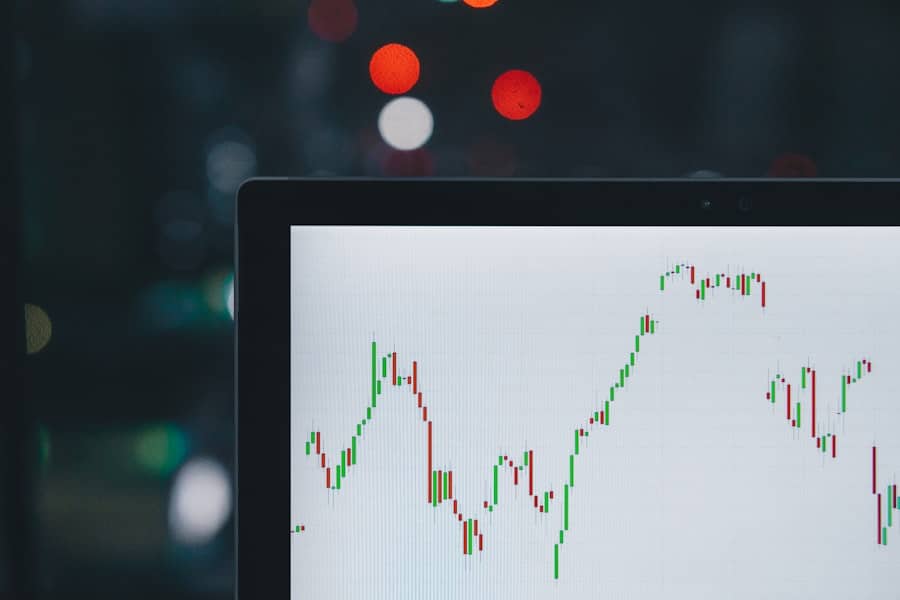
Artificial intelligence (AI) and machine learning (ML) have revolutionized the way you approach investment strategies. These technologies enable you to analyze complex datasets at unprecedented speeds, allowing for more accurate predictions and insights. By implementing AI and ML algorithms, you can automate various aspects of your investment process, from portfolio management to risk assessment.
One of the most significant advantages of AI and ML is their ability to learn from historical data and adapt to changing market conditions. As an investor, this means that your strategies can evolve in real-time based on new information and trends. For instance, AI-driven models can analyze market signals and execute trades at optimal times, maximizing your potential returns while minimizing risks.
By embracing these technologies, you position yourself at the forefront of innovation in investment strategies, enhancing your ability to navigate an increasingly complex financial landscape.
Leveraging Big Data for Predictive Modeling and Risk Assessment
Big data has become an invaluable asset in the realm of investment decision-making. As an investor, you can leverage vast datasets from various sources—such as social media, economic reports, and market transactions—to create predictive models that inform your strategies. By analyzing this wealth of information, you can identify potential risks and opportunities that may not be visible through traditional analysis methods.
Predictive modeling allows you to forecast future market trends based on historical data patterns. By utilizing big data analytics, you can assess the likelihood of specific outcomes and adjust your investment strategies accordingly. Additionally, risk assessment becomes more robust when you incorporate big data into your decision-making process.
You can evaluate potential threats to your portfolio by analyzing external factors such as geopolitical events or economic shifts, enabling you to make proactive adjustments that safeguard your investments.
Incorporating Robo-Advisors and Algorithmic Trading in Investment Portfolios
Robo-advisors and algorithmic trading have gained popularity as efficient tools for managing investment portfolios. As an investor, you may find that these automated solutions offer a streamlined approach to portfolio management, allowing you to focus on broader financial goals while technology handles the intricacies of trading. Robo-advisors utilize algorithms to create personalized investment strategies based on your risk tolerance and financial objectives.
Algorithmic trading takes this a step further by executing trades at lightning speed based on predefined criteria. This technology allows for high-frequency trading strategies that capitalize on minute price fluctuations in the market. By incorporating these automated solutions into your investment portfolio, you can benefit from increased efficiency and reduced emotional bias in decision-making.
The combination of robo-advisors and algorithmic trading empowers you to optimize your investment strategy while minimizing the time spent on manual trading activities.
Harnessing the Power of Cloud Computing for Real-Time Data Processing
Scalability and Efficiency
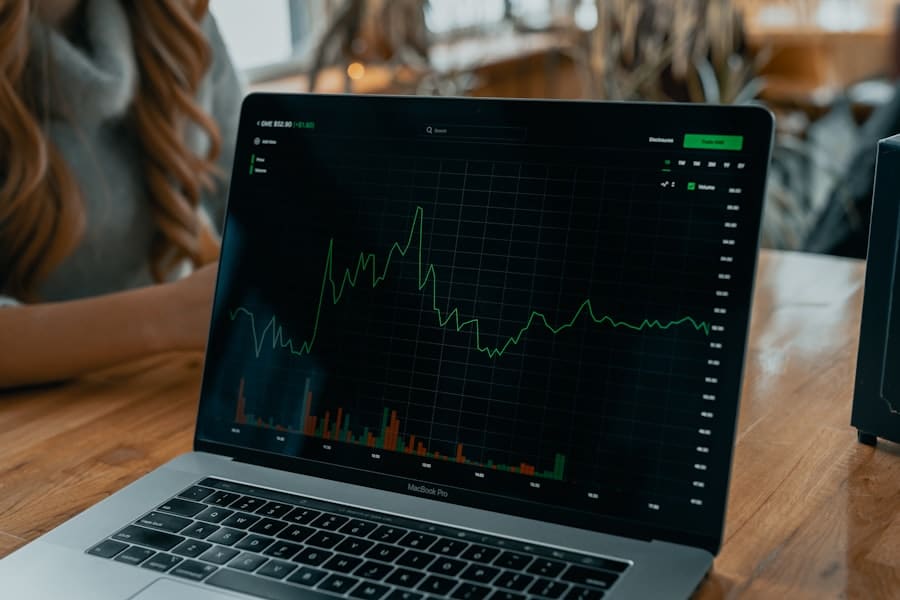
The power of cloud computing lies in its scalability and efficiency. With cloud-based analytics tools, investors can analyze large datasets without the need for extensive hardware investments. This capability enables investors to run complex simulations and models quickly, providing valuable insights that inform their investment strategies.
Enhanced Collaboration
Cloud computing also facilitates seamless collaboration with other investors or advisors. By sharing insights and strategies effortlessly, investors can leverage collective expertise to make more informed investment decisions.
Timely Decision-Making
Ultimately, cloud computing enables investors to make timely decisions based on the latest market developments. With real-time data processing and collaboration, cloud computing has transformed the investment landscape, providing a competitive edge in today’s fast-paced investment world.
Using Blockchain Technology for Secure and Transparent Investment Transactions
Blockchain technology has emerged as a game-changer in the realm of secure and transparent investment transactions. As an investor, you can benefit from the decentralized nature of blockchain, which enhances security by eliminating single points of failure. Transactions recorded on a blockchain are immutable and transparent, providing a level of trust that is essential in financial markets.
By utilizing blockchain technology, you can streamline processes such as trade settlements and asset transfers. This efficiency reduces the time and costs associated with traditional transaction methods while minimizing the risk of fraud or errors. Furthermore, blockchain’s transparency allows for greater accountability among all parties involved in a transaction.
As an investor, embracing blockchain technology not only enhances the security of your investments but also positions you as a forward-thinking participant in the evolving financial landscape.
Adopting Mobile Apps and Online Platforms for Seamless Investment Management
The rise of mobile apps and online platforms has revolutionized how you manage your investments. With user-friendly interfaces and robust features, these tools empower you to monitor your portfolio, execute trades, and access market information from anywhere at any time. This convenience allows for greater flexibility in managing your investments according to your schedule.
Mobile apps often come equipped with advanced features such as real-time alerts, performance tracking, and educational resources that enhance your investment experience. By adopting these technologies, you can stay informed about market trends and make timely decisions without being tethered to a desktop computer. The seamless integration of mobile apps into your investment management strategy enables you to take control of your financial future with ease.
Integrating IoT Devices for Monitoring and Analyzing Investment Assets
The Internet of Things (IoT) has opened new avenues for monitoring and analyzing investment assets. As an investor, integrating IoT devices into your strategy allows for real-time tracking of physical assets such as real estate or commodities. These devices collect valuable data that can inform your investment decisions by providing insights into asset performance and market conditions.
For instance, IoT sensors can monitor environmental factors affecting agricultural investments or track energy consumption in real estate properties. By analyzing this data, you can make informed decisions about asset management or identify opportunities for improvement. The integration of IoT devices enhances your ability to respond proactively to changes in asset performance, ultimately leading to more effective investment strategies.
Embracing Data Visualization Tools for Better Understanding and Interpretation of Investment Data
Data visualization tools have become essential for interpreting complex investment data effectively. As an investor, these tools allow you to transform raw data into visually appealing charts and graphs that facilitate understanding. By presenting information in a digestible format, data visualization enhances your ability to identify trends and patterns that may influence your investment decisions.
With various visualization techniques at your disposal—such as heat maps, scatter plots, or interactive dashboards—you can tailor your analysis to suit your preferences. These tools enable you to communicate insights more effectively with stakeholders or advisors, fostering collaboration in decision-making processes. Embracing data visualization not only enhances your analytical capabilities but also empowers you to convey complex information clearly and concisely.
Overcoming Challenges and Risks in Leveraging Technology and Data Analytics for Investment Decisions
While leveraging technology and data analytics offers numerous advantages in investment decision-making, it is essential to acknowledge the challenges and risks associated with these advancements. As an investor, staying informed about potential pitfalls is crucial for navigating this evolving landscape effectively. One significant challenge is the reliance on technology itself; system failures or cyberattacks can disrupt operations or compromise sensitive data.
Additionally, the sheer volume of available data can lead to analysis paralysis if not managed effectively. It is vital to develop a clear strategy for filtering relevant information while avoiding overcomplication in decision-making processes. Moreover, ethical considerations surrounding data privacy and algorithmic bias must be addressed as you integrate technology into your investment strategies.
Ensuring compliance with regulations while maintaining transparency is essential for building trust with stakeholders. In conclusion, while technology offers transformative potential for enhancing investment decision-making processes, it is crucial to approach these advancements with a balanced perspective—recognizing both their benefits and inherent risks. By staying informed and adaptable in this dynamic environment, you can harness technology’s power while safeguarding your investments against potential challenges.
If you are interested in transforming your financial life and creating a wealthy future, you may find the article From Debt to Wealth: Transforming Your Financial Life to be a valuable resource. This article discusses the steps you can take to move from a place of debt to one of financial freedom. It complements the idea of leveraging technology and data analytics to make informed investment decisions by providing a holistic approach to improving your financial situation.
FAQs
What is technology and data analytics in the context of investment decisions?
Technology and data analytics refer to the use of advanced tools and techniques to gather, analyze, and interpret data in order to make informed investment decisions. This can include using software, algorithms, and machine learning to process large amounts of financial and market data.
How can technology and data analytics help in making informed investment decisions?
Technology and data analytics can help in making informed investment decisions by providing valuable insights into market trends, risk assessment, and performance analysis. It can also help in identifying potential investment opportunities and optimizing portfolio management.
What are some examples of technology and data analytics tools used in investment decision-making?
Examples of technology and data analytics tools used in investment decision-making include financial modeling software, data visualization tools, predictive analytics algorithms, and automated trading systems. These tools can help investors to analyze market data, track investment performance, and make data-driven decisions.
What are the benefits of leveraging technology and data analytics in investment decisions?
The benefits of leveraging technology and data analytics in investment decisions include improved accuracy in decision-making, better risk management, enhanced portfolio performance, and the ability to identify and capitalize on investment opportunities more effectively. It can also lead to cost savings and operational efficiencies.
What are some potential challenges or limitations of using technology and data analytics in investment decisions?
Some potential challenges or limitations of using technology and data analytics in investment decisions include data privacy and security concerns, the need for specialized expertise to interpret complex data, and the risk of over-reliance on automated systems. Additionally, there may be limitations in the availability or quality of data for analysis.