
In an increasingly interconnected world, geopolitical events and global economic factors play a pivotal role in shaping the landscape of wealth-building opportunities. As you navigate through the complexities of international relations, trade agreements, and economic policies, it becomes evident that these elements are not merely background noise; they are fundamental forces that can either propel you toward financial success or hinder your progress. Understanding the intricate relationship between geopolitical dynamics and economic trends is essential for anyone looking to build and sustain wealth in today’s volatile environment.
The rise of emerging markets, shifts in political power, and the impact of global crises such as pandemics or conflicts can create both challenges and opportunities. As you delve deeper into this subject, you will discover that being attuned to these factors can provide you with a competitive edge. By recognizing how geopolitical events influence market conditions, you can make informed decisions that align with your financial goals.
This article aims to explore the multifaceted relationship between geopolitical events and global economic factors, offering insights into how you can leverage these dynamics for wealth-building.
Key Takeaways
- Geopolitical events and global economic factors have a significant impact on wealth-building opportunities.
- Understanding the role of global economic factors is crucial for successful wealth-building strategies.
- Investment opportunities can be explored in response to geopolitical events, but they come with associated risks and challenges.
- Leveraging global economic trends is essential for wealth-building amid geopolitical events.
- Building resilience in wealth-building is key to navigating through uncertain geopolitical events in the dynamic global landscape.
Understanding the Impact of Geopolitical Events on Wealth-building Opportunities
Market Fluctuations and Emerging Trends
When tensions rise between nations, it often leads to fluctuations in currency values, stock markets, and commodity prices. As you observe these changes, you may find that certain sectors become more attractive for investment while others may face downturns.
Regulatory Changes and Trade Policies
Geopolitical events can lead to changes in regulations and trade policies that directly affect businesses and investors. For example, sanctions imposed on a country can create barriers for companies operating within that region, while simultaneously opening doors for competitors in other markets.
Staying Informed for Timely Investment Decisions
By staying informed about these developments, you can identify sectors poised for growth or decline, enabling you to make timely investment decisions that align with your wealth-building strategy.
Analyzing the Role of Global Economic Factors in Wealth-building
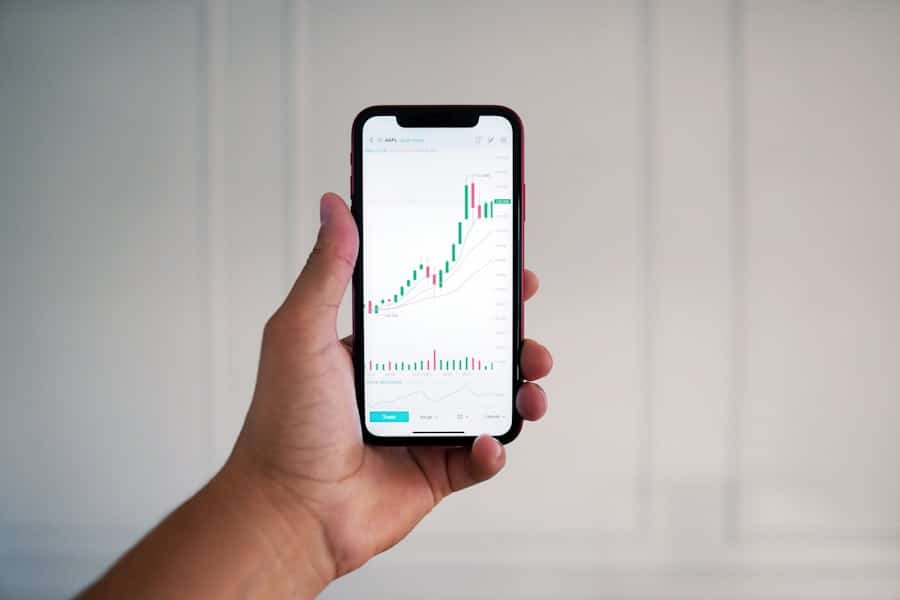
Global economic factors such as inflation rates, interest rates, and employment levels are crucial components that influence your wealth-building journey. These elements not only affect the overall economic climate but also dictate consumer behavior and investment patterns. For instance, when interest rates are low, borrowing becomes more accessible, encouraging spending and investment.
Conversely, high inflation can erode purchasing power, prompting you to reassess your investment strategies. As you analyze these economic indicators, it’s essential to consider their interplay with geopolitical events. A sudden spike in oil prices due to geopolitical tensions can lead to inflationary pressures, impacting your investments in various sectors.
By understanding how these global economic factors interact with geopolitical events, you can make more informed decisions about where to allocate your resources for optimal returns.
Exploring Investment Opportunities in Response to Geopolitical Events
When geopolitical events unfold, they often create unique investment opportunities that savvy investors can exploit. For example, during times of conflict or instability, defense stocks may see a surge in demand as governments increase military spending. Similarly, commodities such as gold often become safe-haven assets during turbulent times, attracting investors seeking stability.
By keeping a close eye on current events and market reactions, you can identify sectors that are likely to benefit from geopolitical shifts. Additionally, emerging markets may present lucrative opportunities as they adapt to changing global dynamics. Countries that position themselves favorably in response to geopolitical events can experience rapid economic growth, making them attractive destinations for investment.
By diversifying your portfolio to include assets from these regions, you can capitalize on their growth potential while spreading risk across different markets.
Identifying Risks and Challenges Associated with Geopolitical Events and Global Economic Factors
While geopolitical events can present opportunities for wealth-building, they also come with inherent risks and challenges that you must navigate carefully. Political instability, for instance, can lead to unpredictable market behavior and increased volatility. As you consider your investment strategies, it’s crucial to assess the potential risks associated with specific regions or sectors that may be affected by geopolitical tensions.
Moreover, global economic factors such as recessionary pressures or trade disputes can further complicate the landscape. A downturn in one economy can have ripple effects across the globe, impacting your investments in ways that may not be immediately apparent. By conducting thorough research and maintaining a diversified portfolio, you can better manage these risks while positioning yourself for long-term success.
Leveraging Global Economic Trends for Wealth-building

To effectively build wealth in a dynamic global landscape, it’s essential to leverage prevailing economic trends. For instance, the shift toward renewable energy sources has gained momentum in recent years due to increasing awareness of climate change and government initiatives promoting sustainability. As an investor, recognizing this trend allows you to allocate resources toward companies leading the charge in clean energy technologies.
Additionally, demographic shifts such as aging populations in developed countries create new market demands that savvy investors can tap into. Industries related to healthcare, retirement planning, and technology solutions catering to older adults are likely to see significant growth. By aligning your investment strategies with these global economic trends, you position yourself to benefit from emerging opportunities while contributing positively to societal needs.
Diversifying Wealth-building Strategies in Response to Geopolitical Events
Diversification is a fundamental principle of successful investing, particularly in response to geopolitical events that may disrupt specific markets or sectors. By spreading your investments across various asset classes—such as stocks, bonds, real estate, and commodities—you can mitigate risks associated with any single investment or market downturn. This strategy not only protects your wealth but also enhances your potential for returns.
In addition to asset diversification, consider geographic diversification as well. Investing in international markets allows you to tap into growth opportunities outside your home country while reducing exposure to local political or economic instability. By maintaining a well-rounded portfolio that spans different regions and sectors, you increase your chances of weathering geopolitical storms while capitalizing on global growth trends.
The Role of Technology and Innovation in Wealth-building Amid Geopolitical Events
In today’s fast-paced world, technology and innovation play a crucial role in shaping wealth-building strategies amid geopolitical events. The rise of digital currencies and blockchain technology has transformed traditional finance, offering new avenues for investment and wealth creation. As you explore these innovations, consider how they may provide alternative solutions during times of geopolitical uncertainty.
Furthermore, advancements in communication technology enable investors to access real-time information about global events and market conditions. This immediacy allows you to make informed decisions quickly, adapting your strategies as situations evolve. By embracing technology and staying abreast of innovative trends, you position yourself at the forefront of wealth-building opportunities in an ever-changing landscape.
Case Studies: Wealth-building Success and Failure in Response to Geopolitical Events
Examining case studies of wealth-building success and failure provides valuable insights into how geopolitical events shape financial outcomes. For instance, during the 2008 financial crisis triggered by the housing market collapse in the United States, many investors faced significant losses due to a lack of diversification and risk management strategies. Conversely, those who recognized the signs early on and shifted their investments toward safer assets like gold or government bonds were able to preserve their wealth.
Another example is the rise of tech companies during the COVID-19 pandemic. As remote work became the norm and digital services surged in demand, investors who had previously allocated resources toward technology stocks reaped substantial rewards. These case studies highlight the importance of adaptability and foresight when navigating the complexities of wealth-building amid geopolitical events.
Building Resilience in Wealth-building Amid Uncertain Geopolitical Events
Building resilience is essential for sustaining wealth amid uncertain geopolitical events. This involves not only diversifying your investments but also developing a robust financial plan that accounts for potential disruptions. Establishing an emergency fund can provide a safety net during turbulent times while allowing you to seize opportunities as they arise without being forced to liquidate assets at unfavorable prices.
Additionally, cultivating a mindset of adaptability is crucial for long-term success. The ability to pivot your strategies based on changing circumstances will empower you to navigate challenges effectively while remaining focused on your wealth-building goals. By fostering resilience through careful planning and a proactive approach, you position yourself for sustained success regardless of external factors.
Navigating Wealth-building Opportunities in a Dynamic Global Landscape
In conclusion, navigating wealth-building opportunities amid geopolitical events and global economic factors requires a multifaceted approach that combines awareness, adaptability, and strategic planning. By understanding the interplay between these elements and leveraging them effectively, you can position yourself for success in an ever-evolving landscape. Embrace diversification as a core principle of your investment strategy while remaining attuned to emerging trends and innovations that may shape future opportunities.
As you embark on your wealth-building journey, remember that knowledge is power. Stay informed about global developments and continuously assess how they impact your financial goals. With a proactive mindset and a willingness to adapt your strategies as needed, you can successfully navigate the complexities of wealth-building in today’s dynamic world.
If you are interested in exploring passive income streams as a wealth-building opportunity, you may want to check out this article on passive income streams, royalties, and licensing. This article delves into different ways to generate passive income and how it can contribute to your financial freedom. Understanding the difference between good debt and bad debt, as discussed in this article, can also play a crucial role in wealth-building strategies. Additionally, maximizing your savings through high-interest saving accounts, as outlined in this article, can help you grow your wealth over time.
FAQs
What are geopolitical events?
Geopolitical events are events that involve the relationship between politics and geography. These events can include international conflicts, trade agreements, and diplomatic relations between countries.
How do geopolitical events influence wealth-building opportunities?
Geopolitical events can influence wealth-building opportunities by impacting global markets, trade relations, and investment opportunities. For example, a trade war between two countries can affect the prices of goods and services, which in turn can impact investment opportunities and wealth-building strategies.
What are global economic factors?
Global economic factors are factors that influence the overall economic conditions of the world, including factors such as inflation, interest rates, and economic growth.
How do global economic factors influence wealth-building opportunities?
Global economic factors can influence wealth-building opportunities by affecting the performance of financial markets, the availability of credit, and the overall economic stability of different countries. For example, a global recession can impact investment returns and the availability of job opportunities, which can in turn affect wealth-building strategies.
What are some examples of how geopolitical events and global economic factors have influenced wealth-building opportunities in the past?
Some examples of how geopolitical events and global economic factors have influenced wealth-building opportunities in the past include the impact of the 2008 financial crisis on global markets, the influence of trade agreements on international investment opportunities, and the effect of political instability on the performance of certain industries.