
Financial independence is a concept that resonates deeply with many individuals, representing the ability to make choices without being constrained by financial limitations. It is not merely about having a substantial amount of money; rather, it encompasses the freedom to pursue your passions, invest in your future, and live life on your own terms. Achieving financial independence often requires a combination of strategic planning, disciplined saving, and informed investing.
You may find that understanding your financial situation is the first step toward gaining control over your economic destiny. To truly grasp the essence of financial independence, you must recognize the importance of setting clear financial goals. These goals can range from short-term objectives, such as saving for a vacation, to long-term aspirations like retirement or purchasing a home.
By establishing these targets, you create a roadmap that guides your financial decisions and helps you prioritize your spending. Additionally, cultivating a mindset focused on financial literacy can empower you to make informed choices that align with your goals, ultimately leading you toward the independence you seek.
Key Takeaways
- Financial independence is the ability to live comfortably without relying on others for financial support.
- Financial inclusion can have a positive impact on underserved communities by providing access to banking, credit, and other financial services.
- Access to opportunities, such as education and employment, is crucial for achieving financial independence.
- Social equity is closely linked to financial independence, as it ensures that everyone has equal access to resources and opportunities.
- Barriers to financial independence in underserved communities include lack of access to banking services, limited financial literacy, and systemic discrimination.
The Impact of Financial Inclusion on Underserved Communities
Financial inclusion plays a pivotal role in shaping the economic landscape of underserved communities. When individuals have access to essential financial services—such as banking, credit, and insurance—they are better equipped to manage their finances and improve their quality of life. You may be surprised to learn that financial inclusion can lead to increased savings rates, enhanced investment in education, and greater entrepreneurial activity within these communities.
By breaking down barriers to access, financial inclusion fosters an environment where individuals can thrive. Moreover, the impact of financial inclusion extends beyond individual benefits; it has the potential to uplift entire communities. When more people can participate in the formal economy, local businesses flourish, and job opportunities increase.
This ripple effect can lead to improved infrastructure, better schools, and enhanced public services. As you consider the broader implications of financial inclusion, it becomes clear that empowering individuals financially can create a more equitable society where everyone has the opportunity to succeed.
Access to Opportunities and Financial Independence

Access to opportunities is a crucial component of achieving financial independence. When you have the means to explore various avenues—be it through education, employment, or entrepreneurship—you are more likely to build a stable financial future. Unfortunately, many individuals in underserved communities face significant barriers that limit their access to these opportunities.
Factors such as systemic inequality, lack of resources, and limited networks can hinder your ability to pursue your goals and achieve financial independence. To overcome these obstacles, it is essential to advocate for policies and initiatives that promote equal access to opportunities. This may involve supporting local programs that provide job training, mentorship, or access to capital for aspiring entrepreneurs.
By actively engaging in your community and seeking out resources that can help you and others gain access to opportunities, you contribute to a culture of empowerment that fosters financial independence for all.
Social Equity and Financial Independence
Social equity is intricately linked to financial independence, as disparities in wealth and access to resources often perpetuate cycles of poverty and inequality. You may find that achieving financial independence is not solely an individual endeavor; it is also a collective responsibility to address systemic issues that hinder progress for marginalized groups. By advocating for social equity, you can help create an environment where everyone has the opportunity to achieve their financial goals.
Understanding the relationship between social equity and financial independence requires recognizing the barriers that exist for different communities.
By working towards dismantling these barriers and promoting policies that foster inclusivity, you contribute to a more equitable society where financial independence is attainable for all.
Barriers to Financial Independence in Underserved Communities
Despite the potential for financial independence, numerous barriers exist that disproportionately affect underserved communities. One significant challenge is the lack of access to quality financial education. Without a solid understanding of personal finance concepts—such as budgeting, saving, and investing—you may struggle to make informed decisions that lead to long-term stability.
Another barrier is the systemic inequality that persists in many societies. Factors such as racial discrimination, economic disparities, and geographic isolation can limit your opportunities for upward mobility.
These challenges can create a sense of hopelessness and discourage individuals from pursuing their financial goals. Recognizing these barriers is essential for developing effective strategies that promote financial independence within underserved communities.
Strategies for Promoting Financial Inclusion and Equity
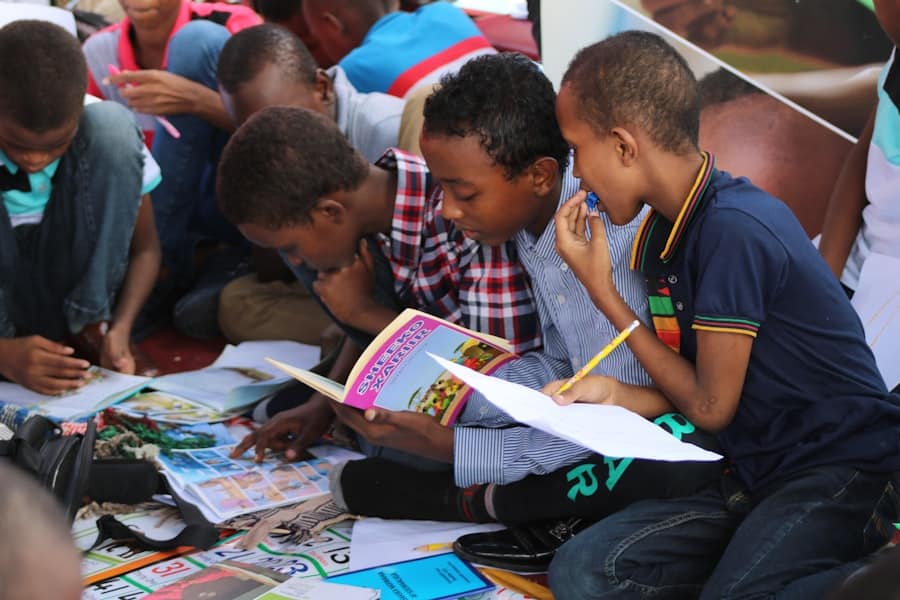
Promoting financial inclusion and equity requires a multifaceted approach that addresses the unique needs of underserved communities. One effective strategy is to enhance access to financial education programs that empower individuals with the knowledge they need to make informed decisions. By providing workshops or resources on budgeting, saving, and investing, you can help others build their financial literacy and confidence.
Additionally, advocating for policies that support equitable access to banking services is crucial. This may involve pushing for regulations that encourage banks to serve low-income neighborhoods or supporting community development financial institutions (CDFIs) that provide affordable loans and services. By working together with local organizations and policymakers, you can help create an environment where everyone has the opportunity to achieve financial independence.
The Role of Education in Achieving Financial Independence
Education plays a vital role in achieving financial independence, as it equips you with the skills and knowledge necessary for success in today’s economy. A solid educational foundation can open doors to better job opportunities and higher earning potential. However, it is essential to recognize that access to quality education is not equally available to everyone.
Many individuals in underserved communities face significant barriers in accessing educational resources, which can hinder their ability to achieve financial independence. To bridge this gap, it is crucial to advocate for equitable education policies that ensure all individuals have access to quality schooling and vocational training programs. Supporting initiatives that provide scholarships or mentorship opportunities can also help empower those who may not have the means to pursue higher education.
By investing in education as a pathway to financial independence, you contribute to breaking the cycle of poverty and creating a more equitable society.
Building Stronger Communities through Financial Independence
Ultimately, promoting financial independence within underserved communities has far-reaching implications for building stronger societies. When individuals achieve financial stability, they are more likely to invest in their communities—whether through supporting local businesses or participating in civic engagement initiatives. This sense of community investment fosters social cohesion and creates an environment where everyone can thrive.
As you work towards promoting financial independence for yourself and others, consider the broader impact of your efforts on community well-being. By advocating for policies that support economic empowerment and engaging in initiatives that promote financial literacy, you contribute to creating a more equitable society where everyone has the opportunity to succeed. In doing so, you not only enhance your own life but also play a vital role in uplifting those around you, ultimately leading to stronger communities built on shared prosperity and resilience.
The pursuit of financial independence is closely tied to broader themes of financial inclusion, access to opportunities, and social equity, particularly in underserved communities. An article from Financial Freedom Today delves into the analysis of economic policies and how they can impact the ability of individuals in underserved communities to achieve financial independence. Understanding how economic factors and market conditions influence the pursuit of financial independence is crucial in addressing the disparities in access to opportunities and promoting social equity. Additionally, exploring the impact of financial freedom on overall happiness and well-being, as discussed in another article from 0 ){ var maf_after_1st_p_data = maf_decode_string(''); var maf_after_2nd_p_data = maf_decode_string(''); var maf_after_3rd_p_data = maf_decode_string(''); var maf_after_4th_p_data = maf_decode_string(''); var maf_after_5th_p_data = maf_decode_string(''); var maf_after_6th_p_data = maf_decode_string(''); var maf_after_7th_p_data = maf_decode_string(''); var maf_after_8th_p_data = maf_decode_string(''); var maf_after_9th_p_data = maf_decode_string(''); var maf_after_10th_p_data = maf_decode_string(''); var maf_after_every_p_data = maf_decode_string(''); var maf_after_last_p_data = maf_decode_string(''); } $(document).ready(function(){ if(maf_header_data.trim() !== ''){ $($('header')[0]).append(maf_header_data); } if(maf_below_header_data.trim() !== ''){ $($('header')[0]).after(maf_below_header_data); } if(maf_above_header_data.trim() !== ''){ $($('header')[0]).before(maf_above_header_data); } if(maf_footer_data.trim() !== ''){ $($('footer')[0]).append(maf_footer_data); } if(maf_after_footer_data.trim() !== ''){ $($('footer')[0]).after(maf_after_footer_data); } if(maf_above_footer_data.trim() !== ''){ $($('footer')[0]).before(maf_above_footer_data); } if(maf_above_post_title_data.trim() !== ''){ $($('.entry-title')[0]).before(maf_above_post_title_data); } if(maf_below_post_title_data.trim() !== ''){ $($('.entry-title')[0]).after(maf_below_post_title_data); } if(typeof $(all_p)[0] !== typeof undefined && maf_after_1st_p_data.trim() !== ''){ $($(all_p)[0]).append(maf_after_1st_p_data); } if(typeof $(all_p)[1] !== typeof undefined && maf_after_2nd_p_data.trim() !== ''){ $($(all_p)[1]).append(maf_after_2nd_p_data); } if(typeof $(all_p)[2] !== typeof undefined && maf_after_3rd_p_data.trim() !== ''){ $($(all_p)[2]).append(maf_after_3rd_p_data); } if(typeof $(all_p)[3] !== typeof undefined && maf_after_4th_p_data.trim() !== ''){ $($(all_p)[3]).append(maf_after_4th_p_data); } if(typeof $(all_p)[4] !== typeof undefined && maf_after_5th_p_data.trim() !== ''){ $($(all_p)[4]).append(maf_after_5th_p_data); } if(typeof $(all_p)[5] !== typeof undefined && maf_after_6th_p_data.trim() !== ''){ $($(all_p)[5]).append(maf_after_6th_p_data); } if(typeof $(all_p)[6] !== typeof undefined && maf_after_7th_p_data.trim() !== ''){ $($(all_p)[6]).append(maf_after_7th_p_data); } if(typeof $(all_p)[7] !== typeof undefined && maf_after_8th_p_data.trim() !== ''){ $($(all_p)[7]).append(maf_after_8th_p_data); } if(typeof $(all_p)[8] !== typeof undefined && maf_after_9th_p_data.trim() !== ''){ $($(all_p)[8]).append(maf_after_9th_p_data); } if(typeof $(all_p)[9] !== typeof undefined && maf_after_10th_p_data.trim() !== ''){ $($(all_p)[9]).append(maf_after_10th_p_data); } $(all_p).each(function(i,v){ if(maf_after_every_p_data.trim() !== ''){ $(v).append(maf_after_every_p_data); } }); if(typeof $(all_p).last() !== typeof undefined && typeof maf_after_last_p_data !== typeof undefined && maf_after_last_p_data.trim() !== ''){ $($(all_p).last()[0]).append(maf_after_last_p_data); } }); function maf_decode_string(str){ str = str.replace('\'',"'"); str = str.replace('\"','"'); return str; }