
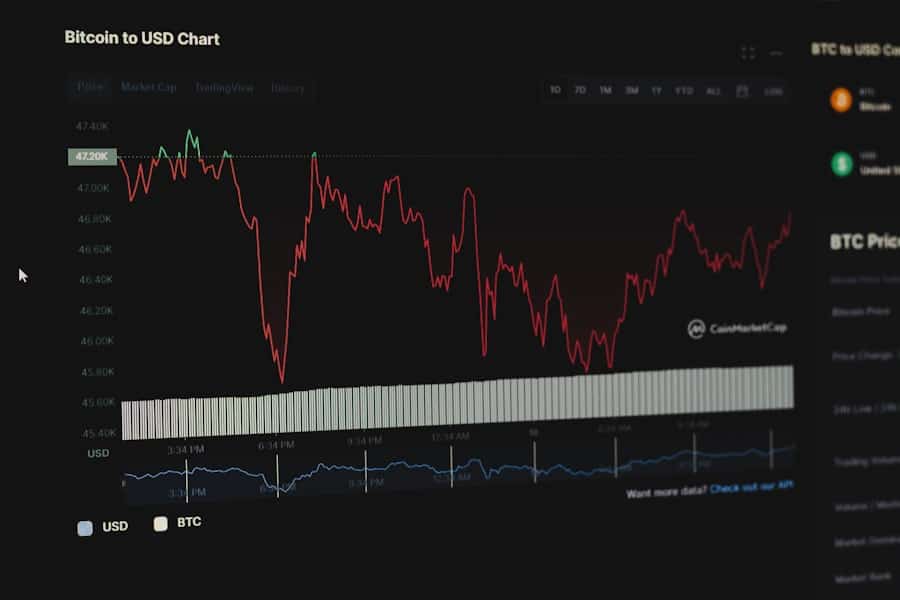
As you delve into the world of cryptocurrency, one of the first concepts you will encounter is volatility. The cryptocurrency market is notorious for its rapid price fluctuations, which can be both exhilarating and terrifying. Unlike traditional financial markets, where price movements are often gradual and predictable, cryptocurrencies can experience dramatic shifts in value within a matter of hours or even minutes.
This volatility is driven by a myriad of factors, including market sentiment, regulatory news, technological advancements, and macroeconomic trends. Understanding these dynamics is crucial for anyone looking to invest in or trade cryptocurrencies. To navigate this volatile landscape effectively, you must develop a keen awareness of the factors that influence price movements.
For instance, news about regulatory changes can lead to sudden spikes or drops in prices as traders react to perceived risks or opportunities. Additionally, social media plays a significant role in shaping market sentiment; a single tweet from a prominent figure can send prices soaring or plummeting. By staying informed and analyzing market trends, you can better position yourself to make informed decisions and potentially capitalize on price movements.
Key Takeaways
- Cryptocurrency markets are highly volatile and can experience rapid price fluctuations.
- Security risks in crypto investments can be mitigated by using secure wallets and exchanges, and implementing strong authentication measures.
- Regulatory and legal risks in the crypto space should be carefully evaluated to ensure compliance with relevant laws and regulations.
- Market manipulation and fraud are significant risks in cryptocurrency investments, and investors should be cautious and conduct thorough research before making investment decisions.
- Investing in new and emerging cryptocurrencies carries inherent risks, and investors should carefully assess the potential risks and rewards before investing.
Identifying and Mitigating Security Risks in Crypto Investments
When investing in cryptocurrencies, security should be at the forefront of your mind. The decentralized nature of blockchain technology offers many advantages, but it also presents unique security challenges. You must be aware of the various risks associated with storing and trading cryptocurrencies, including hacking, phishing attacks, and the potential for losing access to your digital assets.
To mitigate these risks, it is essential to adopt best practices for securing your investments. One effective strategy is to use hardware wallets for storing your cryptocurrencies. Unlike online exchanges or software wallets, hardware wallets store your private keys offline, making them less susceptible to hacking attempts.
Additionally, you should enable two-factor authentication (2FA) on any accounts related to your crypto investments. This extra layer of security can help protect your assets from unauthorized access. Regularly updating your passwords and being cautious about sharing personal information online are also critical steps in safeguarding your investments.
Evaluating Regulatory and Legal Risks in the Crypto Space
The regulatory landscape surrounding cryptocurrencies is constantly evolving, and as an investor, you must stay informed about the legal implications of your investments. Different countries have varying approaches to cryptocurrency regulation, ranging from outright bans to supportive frameworks that encourage innovation. Understanding the regulatory environment in your jurisdiction is essential for mitigating legal risks associated with crypto investments.
You should also be aware of potential changes in regulations that could impact the market. For example, if a government announces stricter regulations on cryptocurrency exchanges or initial coin offerings (ICOs), it could lead to significant market volatility. Keeping an eye on news related to regulatory developments can help you anticipate potential risks and adjust your investment strategy accordingly.
Engaging with legal experts who specialize in cryptocurrency can provide valuable insights and help you navigate this complex landscape.
Managing the Risk of Market Manipulation and Fraud
| Metrics | Data |
|---|---|
| Number of market manipulation incidents | 25 |
| Number of fraud cases detected | 15 |
| Amount of financial loss due to market manipulation | 10 million |
| Number of regulatory actions taken | 30 |
Market manipulation and fraud are unfortunate realities in the cryptocurrency space. As an investor, you need to be vigilant about the potential for scams and deceptive practices that can lead to significant financial losses. Pump-and-dump schemes, where the price of a cryptocurrency is artificially inflated before being sold off by manipulators, are just one example of how unscrupulous actors can exploit unsuspecting investors.
To protect yourself from these risks, it is crucial to conduct thorough research before investing in any cryptocurrency. Look for projects with transparent teams, clear use cases, and established track records. Engaging with reputable communities and forums can also provide insights into potential red flags.
Additionally, be cautious about investing based solely on hype or social media trends; instead, focus on fundamental analysis and long-term viability when making investment decisions.
Assessing the Risks of Investing in New and Emerging Cryptocurrencies
The allure of new and emerging cryptocurrencies can be tempting, but they often come with heightened risks. While established cryptocurrencies like Bitcoin and Ethereum have proven their resilience over time, newer projects may lack the same level of stability and credibility. As you consider investing in these nascent assets, it is essential to conduct thorough due diligence to assess their potential risks and rewards.
Start by evaluating the project’s whitepaper, which outlines its goals, technology, and roadmap. A well-researched whitepaper can provide valuable insights into the project’s legitimacy and potential for success. Additionally, consider the team behind the project; experienced developers and advisors can significantly impact a project’s likelihood of success.
Engaging with community discussions and seeking feedback from other investors can also help you gauge sentiment around new cryptocurrencies before committing your funds.
Navigating the Risks of Exchange Hacks and Scams

Cryptocurrency exchanges are often prime targets for hackers due to the large amounts of digital assets they hold. As an investor, you must be aware of the risks associated with using exchanges for trading or storing your cryptocurrencies. High-profile hacks have resulted in millions of dollars lost, leaving investors vulnerable to significant financial setbacks.
To mitigate these risks, consider using decentralized exchanges (DEXs) or peer-to-peer platforms that allow you to trade directly with other users without relying on a central authority. If you choose to use a centralized exchange, ensure that it has a strong security track record and employs robust security measures such as cold storage for funds and regular security audits. Additionally, never leave large amounts of cryptocurrency on exchanges for extended periods; instead, transfer your assets to secure wallets where you have full control over your private keys.
Diversifying and Hedging Against Crypto Investment Risks
Diversification is a fundamental principle of investing that applies equally to cryptocurrencies. By spreading your investments across different assets, you can reduce the overall risk associated with your portfolio. In the volatile world of crypto, diversification can help cushion against significant losses if one particular asset experiences a downturn.
Consider allocating your investments across various types of cryptocurrencies, including established coins like Bitcoin and Ethereum as well as promising altcoins with strong fundamentals. Additionally, you might explore other asset classes such as stocks or commodities to further diversify your portfolio. Hedging strategies, such as using options or futures contracts, can also provide additional protection against market downturns.
By taking a proactive approach to diversification and hedging, you can better manage the inherent risks associated with cryptocurrency investments.
Seeking Professional Advice and Due Diligence in Crypto Investments
As you navigate the complexities of cryptocurrency investing, seeking professional advice can be invaluable. Financial advisors with expertise in cryptocurrencies can provide tailored guidance based on your individual risk tolerance and investment goals. They can help you develop a comprehensive investment strategy that considers both potential rewards and risks.
In addition to professional advice, conducting thorough due diligence is essential before making any investment decisions. This includes researching projects, understanding their technology and use cases, and evaluating their teams and communities. By taking the time to gather information and seek expert insights, you can make more informed decisions that align with your financial objectives while minimizing risks associated with cryptocurrency investments.
In conclusion, while investing in cryptocurrencies presents unique opportunities for growth and innovation, it also comes with inherent risks that require careful consideration. By understanding market volatility, identifying security risks, evaluating regulatory landscapes, managing market manipulation concerns, assessing new projects critically, navigating exchange vulnerabilities, diversifying your portfolio, and seeking professional guidance, you can position yourself for success in this dynamic space. As you embark on your crypto investment journey, remember that knowledge is power; staying informed will empower you to make sound decisions that align with your financial aspirations.
When considering the risks associated with cryptocurrency investments, it is important to also think about the broader implications for your overall financial strategy. One related article that delves into this topic is Business Tax Planning and Strategies. This article explores how tax planning can impact your business ventures and investments, including those in the crypto space. By understanding the tax implications of your financial decisions, you can better manage the risks associated with cryptocurrencies and other assets.
FAQs
What are the risks associated with cryptocurrency?
Cryptocurrency risks include price volatility, security vulnerabilities, regulatory uncertainty, and potential for fraud and scams.
How does price volatility affect cryptocurrency?
Price volatility in cryptocurrency can lead to significant fluctuations in value, resulting in potential financial losses for investors and traders.
What security vulnerabilities are associated with cryptocurrency?
Security vulnerabilities in cryptocurrency include hacking, phishing attacks, and theft of digital assets from exchanges and wallets.
What is regulatory uncertainty in the cryptocurrency market?
Regulatory uncertainty refers to the lack of clear and consistent regulations governing the use and trading of cryptocurrencies, which can create uncertainty and risk for investors and businesses.
What are the risks of fraud and scams in the cryptocurrency market?
The cryptocurrency market is susceptible to various forms of fraud and scams, including Ponzi schemes, fake initial coin offerings (ICOs), and fraudulent investment schemes.
How can investors mitigate the risks associated with cryptocurrency?
Investors can mitigate cryptocurrency risks by conducting thorough research, using secure wallets and exchanges, diversifying their investment portfolio, and staying informed about regulatory developments.