
Economic downturns are periods characterized by a decline in economic activity, often marked by rising unemployment rates, reduced consumer spending, and a general sense of uncertainty in the market. As you navigate through these challenging times, it’s essential to grasp the underlying factors that contribute to such downturns. These can range from global events, such as pandemics or geopolitical tensions, to domestic issues like inflation or changes in government policy.
By understanding these elements, you can better prepare yourself for the potential impacts on your personal finances. Recognizing the signs of an economic downturn is crucial for making informed decisions. You may notice a slowdown in job growth, a decrease in stock market performance, or even shifts in consumer behavior.
These indicators can serve as early warnings, allowing you to take proactive measures to safeguard your financial well-being. By staying informed and aware of the economic landscape, you position yourself to respond effectively to the challenges that may arise.
Key Takeaways
- Economic downturns are a natural part of the economic cycle and can have a significant impact on individuals and businesses.
- It’s important to evaluate your financial situation and make necessary adjustments to weather the downturn.
- Creating a budget and cutting expenses can help you manage your finances more effectively during a downturn.
- Investing wisely during a downturn can present opportunities for long-term growth and financial stability.
- Diversifying your portfolio and seeking professional financial advice can help you build resilience for future downturns and take advantage of opportunities.
Evaluating Your Financial Situation
Before making any significant changes to your financial strategy, it’s vital to conduct a thorough evaluation of your current financial situation. Start by assessing your income sources, expenses, debts, and savings. This comprehensive overview will provide you with a clearer picture of where you stand financially and help you identify areas that may require immediate attention.
You might find it beneficial to create a detailed list of your assets and liabilities, which can serve as a foundation for your financial planning. Once you have a clear understanding of your financial landscape, consider your short-term and long-term goals. Are you saving for retirement, a home, or perhaps an emergency fund?
Understanding your objectives will guide your decision-making process during an economic downturn. It’s essential to prioritize these goals and determine how they may be affected by the current economic climate. By evaluating your financial situation holistically, you can make informed choices that align with your aspirations while navigating the uncertainties ahead.
Creating a Budget and Cutting Expenses

Creating a budget is one of the most effective ways to manage your finances during an economic downturn. A well-structured budget allows you to track your income and expenses meticulously, ensuring that you live within your means. Start by categorizing your expenses into fixed and variable costs.
Fixed costs include rent or mortgage payments, utilities, and insurance, while variable costs encompass discretionary spending like dining out or entertainment. By identifying these categories, you can pinpoint areas where you can cut back without sacrificing your quality of life. In addition to creating a budget, it’s essential to adopt a mindset focused on frugality during tough economic times.
Look for opportunities to reduce unnecessary expenses. This could mean cooking at home instead of dining out, canceling unused subscriptions, or shopping for sales and discounts. Small changes can add up significantly over time, providing you with extra funds that can be redirected toward savings or debt repayment.
By being proactive in managing your expenses, you can create a financial buffer that will serve you well during uncertain times.
Investing Wisely During a Downturn
Investing during an economic downturn may seem counterintuitive; however, it can also present unique opportunities for growth if approached wisely. As stock prices often decline during these periods, you might find that certain investments become undervalued.
By adopting a long-term perspective and focusing on quality investments, you can position yourself for significant gains when the market eventually rebounds. It’s also crucial to diversify your investments during a downturn.
Instead, consider spreading your investments across various sectors and asset classes, such as stocks, bonds, real estate, and commodities. This diversification can help mitigate losses in one area while allowing gains in another. As you navigate the complexities of investing during challenging economic times, remember that patience and strategic thinking are key components of successful investing.
Taking Advantage of Opportunities
Economic downturns often create unique opportunities for those who are prepared to seize them. While many individuals may be hesitant to make significant financial moves during uncertain times, those who remain proactive can find ways to benefit from the situation. For instance, if you have been considering starting a business or expanding an existing one, a downturn may present lower costs for resources and labor.
With fewer competitors in the market, you might find it easier to establish yourself and capture market share. Additionally, consider the potential for real estate investments during an economic downturn. Property prices may decline, making it an opportune time for you to purchase real estate at a lower cost.
Whether you’re looking for rental properties or homes to flip, being strategic about your investments can yield substantial returns when the market recovers. By keeping an eye on emerging opportunities and being willing to take calculated risks, you can position yourself advantageously for future growth.
Diversifying Your Portfolio
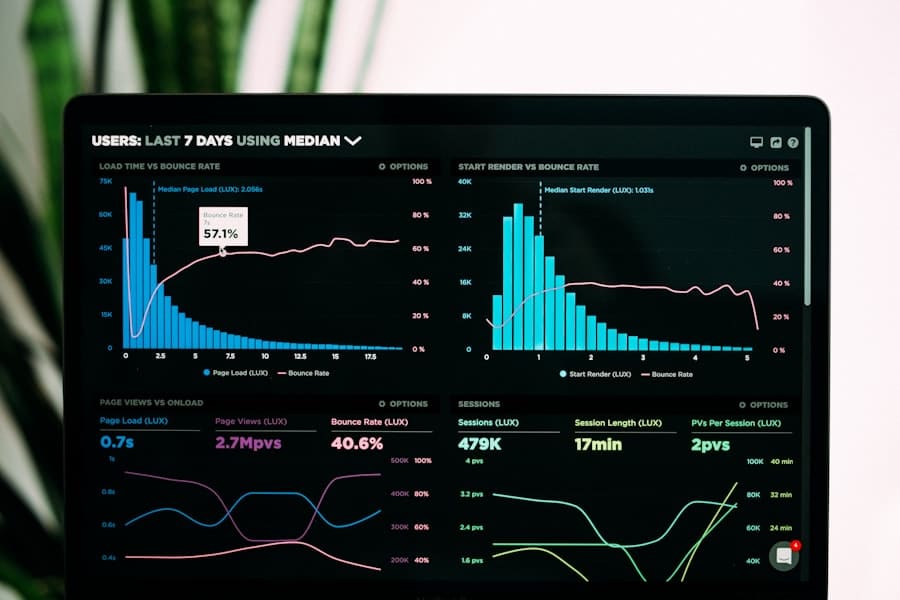
Diversification is a fundamental principle of investing that becomes even more critical during economic downturns. By spreading your investments across various asset classes—such as stocks, bonds, real estate, and commodities—you reduce the risk associated with any single investment performing poorly. This strategy not only helps protect your portfolio from significant losses but also allows you to capitalize on different market conditions.
As you consider diversifying your portfolio, think about incorporating assets that tend to perform well during economic downturns. For example, certain sectors like utilities or consumer staples often remain stable even when the economy falters. Additionally, consider including international investments that may not be as affected by domestic economic conditions.
By building a well-rounded portfolio that includes a mix of asset types and geographic exposure, you enhance your chances of weathering economic storms while still pursuing growth opportunities.
Building Resilience for Future Downturns
Building resilience in your financial life is essential for navigating future economic downturns with confidence. One of the most effective ways to achieve this is by establishing an emergency fund that covers three to six months’ worth of living expenses. This safety net provides peace of mind and allows you to weather unexpected financial challenges without resorting to high-interest debt or drastic lifestyle changes.
In addition to creating an emergency fund, consider investing in your skills and education. Continuous learning can enhance your employability and open doors to new opportunities even during tough economic times. Whether through formal education or self-directed learning, acquiring new skills can make you more adaptable in an ever-changing job market.
By focusing on building resilience now, you position yourself to face future downturns with greater confidence and stability.
Seeking Professional Financial Advice
Navigating an economic downturn can be complex and overwhelming at times; therefore, seeking professional financial advice may be beneficial for you. A qualified financial advisor can provide personalized guidance tailored to your unique situation and goals. They can help you assess your current financial standing, develop a comprehensive plan for managing your finances during challenging times, and identify investment opportunities that align with your risk tolerance.
Moreover, professional advisors often have access to resources and tools that can enhance your financial decision-making process. They can help you stay informed about market trends and provide insights into potential risks and rewards associated with various investment strategies. By collaborating with a financial expert, you gain valuable knowledge and support that can empower you to make informed choices during economic downturns and beyond.
In conclusion, understanding economic downturns is crucial for effectively managing your finances during challenging times. By evaluating your financial situation, creating a budget, investing wisely, taking advantage of opportunities, diversifying your portfolio, building resilience, and seeking professional advice when needed, you can navigate these turbulent waters with confidence and emerge stronger on the other side.
If you are interested in learning more about financial freedom for entrepreneurs and building your business empire, check out the article Financial Freedom for Entrepreneurs: Building Your Business Empire. This article provides valuable insights and tips on how to navigate economic downturns and achieve wealth as an entrepreneur. It offers practical advice on how to build a successful business and create a solid financial foundation for the future.
FAQs
What is an economic downturn?
An economic downturn is a period of negative economic growth characterized by a decrease in consumer spending, business investment, and overall economic activity. This often leads to rising unemployment and a decrease in the value of assets.
How can economic downturns affect personal wealth?
Economic downturns can negatively impact personal wealth by reducing the value of investments, leading to job loss or reduced income, and increasing the cost of living. This can result in a decrease in net worth and financial stability for individuals and families.
What are some strategies for navigating economic downturns on the path to wealth?
Strategies for navigating economic downturns on the path to wealth include diversifying investments, maintaining an emergency fund, reducing debt, and seeking out opportunities for additional income or career advancement. It’s also important to stay informed about economic trends and seek professional financial advice.
How can individuals protect their wealth during an economic downturn?
Individuals can protect their wealth during an economic downturn by maintaining a diversified investment portfolio, reducing discretionary spending, and focusing on long-term financial goals. It’s also important to stay proactive and adaptable in response to changing economic conditions.