
When you embark on your investment journey, it’s crucial to grasp the various types of risks that can impact your financial decisions. Investment risks can be broadly categorized into several types, including market risk, credit risk, liquidity risk, and interest rate risk. Market risk refers to the potential for losses due to fluctuations in the overall market.
This can be influenced by economic changes, political events, or even natural disasters. Understanding this risk is essential because it can affect the value of your investments regardless of the underlying fundamentals. Credit risk, on the other hand, pertains to the possibility that a borrower may default on their obligations.
If you invest in bonds or other debt instruments, you need to assess the creditworthiness of the issuer. A company with a poor credit rating may offer higher yields, but it also comes with a greater chance of default. Liquidity risk is another critical factor; it refers to the difficulty of selling an asset without significantly affecting its price.
If you invest in assets that are not easily tradable, you may find yourself in a position where you cannot sell when you need to. Lastly, interest rate risk affects fixed-income investments, as changes in interest rates can lead to fluctuations in bond prices. By understanding these risks, you can make more informed decisions about where to allocate your resources.
Key Takeaways
- Different types of investment risks include market risk, inflation risk, interest rate risk, credit risk, and liquidity risk.
- Assess your risk tolerance by considering your financial goals, time horizon, and comfort level with potential losses.
- Diversify your investment portfolio to spread risk across different asset classes, industries, and geographic regions.
- Conduct thorough research before investing by analyzing company financials, market trends, and economic indicators.
- Stay informed about market trends by regularly monitoring financial news, economic reports, and industry developments.
- Set realistic investment goals based on your financial situation, risk tolerance, and investment time horizon.
- Create a contingency plan for market volatility by having a diversified portfolio and maintaining a cash reserve.
- Monitor and adjust your investments regularly to ensure they align with your financial goals and risk tolerance.
- Seek professional financial advice from a qualified advisor to help make informed investment decisions.
- Understand the impact of economic factors on investments, such as inflation, interest rates, and geopolitical events.
- Manage emotions and avoid impulsive decisions by sticking to your investment plan and avoiding reactionary moves based on market fluctuations.
Assessing Your Risk Tolerance
Before diving into the world of investing, you must assess your own risk tolerance. This is a personal evaluation that considers your financial situation, investment goals, and emotional capacity to handle market fluctuations. Risk tolerance varies from person to person; some individuals may feel comfortable taking on higher risks for the potential of greater returns, while others may prefer a more conservative approach.
To determine your risk tolerance, consider factors such as your age, income level, investment experience, and time horizon. You might find it helpful to take a risk assessment questionnaire or consult with a financial advisor who can guide you through this process. Understanding your risk tolerance will not only help you choose suitable investments but also enable you to maintain a level of comfort during market volatility.
If you invest in assets that align with your risk profile, you’re less likely to panic during downturns and more likely to stick to your long-term strategy.
Diversifying Your Investment Portfolio
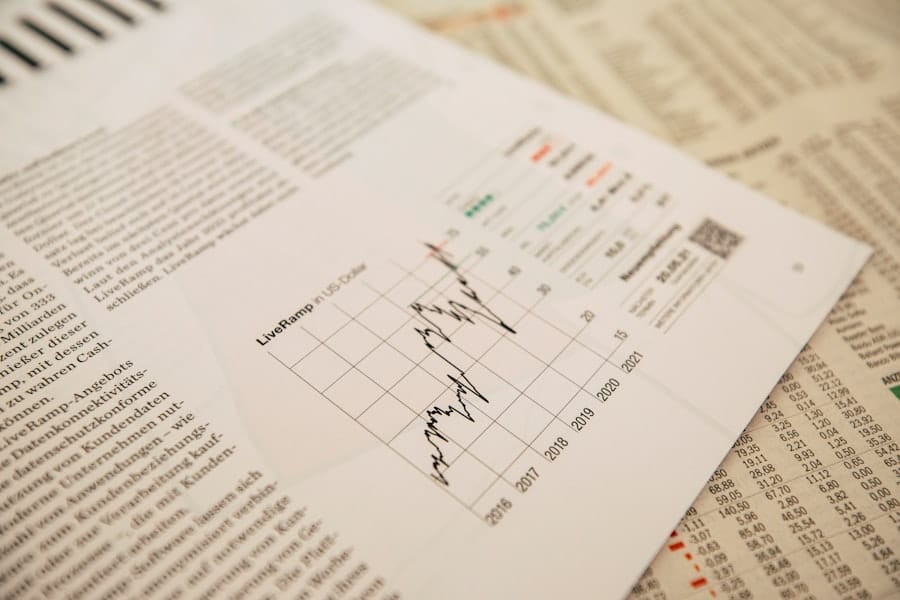
One of the most effective strategies for managing investment risk is diversification. By spreading your investments across various asset classes—such as stocks, bonds, real estate, and commodities—you can reduce the impact of any single investment’s poor performance on your overall portfolio. Diversification works on the principle that different assets often react differently to market conditions; when one asset class is underperforming, another may be thriving.
To achieve effective diversification, consider not only different asset classes but also geographical regions and sectors within those classes. For instance, investing in both domestic and international stocks can provide exposure to different economic cycles. Additionally, within the stock market, you might want to diversify across sectors like technology, healthcare, and consumer goods.
This approach helps mitigate risks associated with specific industries or markets while enhancing your potential for returns.
Conducting Thorough Research Before Investing
Before making any investment decisions, conducting thorough research is paramount. This involves analyzing potential investments’ fundamentals, such as their financial health, competitive position in the market, and growth prospects. For stocks, you should look at key metrics like earnings per share (EPS), price-to-earnings (P/E) ratios, and revenue growth rates.
For bonds, consider the issuer’s credit rating and interest payment history. In addition to quantitative analysis, qualitative factors should also be taken into account. Understanding the company’s management team, industry trends, and potential regulatory impacts can provide valuable insights into its future performance.
You should also stay updated on news and developments that could affect your investments. By conducting comprehensive research, you empower yourself to make informed decisions rather than relying on speculation or hearsay.
Staying Informed About Market Trends
Staying informed about market trends is essential for any investor looking to navigate the complexities of the financial landscape successfully. The investment world is constantly evolving due to economic indicators, geopolitical events, and technological advancements. By keeping abreast of these trends, you can make timely adjustments to your investment strategy and capitalize on emerging opportunities.
You might consider subscribing to financial news outlets or following reputable analysts and economists on social media platforms. Engaging with investment communities online can also provide valuable insights and diverse perspectives on market conditions. Additionally, attending webinars or workshops can enhance your understanding of current trends and help you refine your investment approach.
Setting Realistic Investment Goals
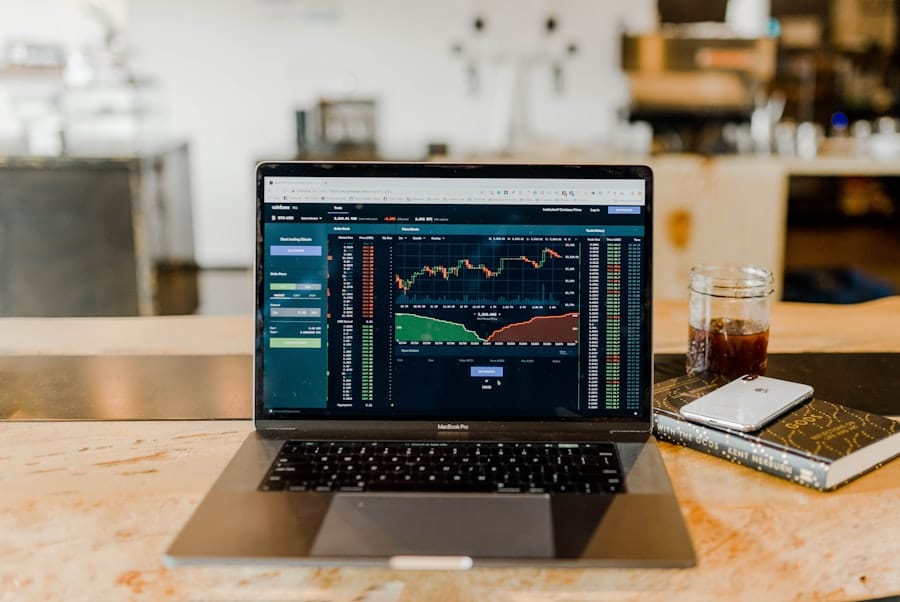
Setting realistic investment goals is a fundamental step in creating a successful investment strategy. Your goals should be specific, measurable, achievable, relevant, and time-bound (SMART). Whether you’re saving for retirement, a child’s education, or a major purchase like a home, having clear objectives will guide your investment choices and help you stay focused.
When establishing your goals, consider your time horizon and how much risk you’re willing to take on. Short-term goals may require more conservative investments to preserve capital, while long-term goals can afford more aggressive strategies aimed at growth. Regularly reviewing and adjusting these goals as your circumstances change will ensure that your investment strategy remains aligned with your financial aspirations.
Creating a Contingency Plan for Market Volatility
Market volatility is an inevitable part of investing; therefore, having a contingency plan is essential for navigating turbulent times. A well-thought-out plan will help you respond effectively when markets experience significant fluctuations or downturns. Start by identifying potential scenarios that could impact your investments negatively and outline steps you would take in each situation.
For instance, if the market experiences a sharp decline, consider whether you would hold onto your investments or take advantage of lower prices by buying more shares. Additionally, having an emergency fund set aside can provide peace of mind during market downturns, allowing you to avoid making impulsive decisions driven by fear or panic. By preparing for volatility in advance, you can maintain a level-headed approach during challenging times.
Monitoring and Adjusting Your Investments
Once you’ve made your investments, it’s crucial to monitor their performance regularly and make adjustments as needed. The financial landscape is dynamic; what may have been a sound investment decision six months ago might not hold true today. Regularly reviewing your portfolio allows you to identify underperforming assets and reallocate resources toward more promising opportunities.
You should establish a routine for assessing your investments—whether it’s monthly or quarterly—and evaluate how they align with your overall goals and risk tolerance. If certain investments are consistently underperforming or if market conditions change significantly, be prepared to make adjustments accordingly. This proactive approach will help ensure that your portfolio remains aligned with your financial objectives.
Seeking Professional Financial Advice
While self-education is vital in investing, seeking professional financial advice can provide additional insights and expertise that enhance your decision-making process. Financial advisors can offer personalized guidance tailored to your unique circumstances and goals. They can help you navigate complex investment options and develop a comprehensive strategy that aligns with your risk tolerance.
When choosing a financial advisor, consider their qualifications, experience, and fee structure. Look for someone who has a fiduciary responsibility to act in your best interest rather than simply selling products for commissions. A good advisor will not only help you create an investment plan but also provide ongoing support as market conditions evolve.
Understanding the Impact of Economic Factors on Investments
Economic factors play a significant role in shaping investment performance; therefore, understanding these influences is crucial for making informed decisions. Key indicators such as inflation rates, unemployment figures, interest rates, and GDP growth can all impact market sentiment and asset prices. For instance, rising interest rates may lead to lower bond prices while affecting consumer spending patterns.
By staying informed about economic trends and their potential implications for various asset classes, you can better position your portfolio for success. Economic cycles often present both challenges and opportunities; being aware of these factors allows you to adjust your strategy accordingly and capitalize on favorable conditions.
Managing Emotions and Avoiding Impulsive Decisions
Investing can evoke strong emotions—fear during market downturns and excitement during bull markets—making it essential to manage these feelings effectively. Emotional decision-making often leads to impulsive actions that can derail your long-term strategy. To combat this tendency, develop a disciplined approach that prioritizes rational analysis over emotional reactions.
Establishing clear investment rules or guidelines can help keep emotions in check during turbulent times. For example, setting predetermined thresholds for buying or selling assets based on specific criteria can prevent knee-jerk reactions driven by fear or greed. Additionally, practicing mindfulness techniques or seeking support from fellow investors can provide valuable perspective when navigating emotional challenges in investing.
In conclusion, investing requires a multifaceted approach that encompasses understanding risks, assessing personal tolerance levels, diversifying portfolios, conducting thorough research, staying informed about market trends, setting realistic goals, creating contingency plans for volatility, monitoring investments regularly, seeking professional advice when necessary, understanding economic impacts on investments, and managing emotions effectively. By embracing these principles and strategies, you position yourself for long-term success in the ever-evolving world of investing.
Navigating investment risks is crucial when planning for early retirement. One related article that provides strategies for saving and investing for early retirement can be found here. Understanding financial tools and resources, such as investment platforms and brokers, is also essential in managing investment risks. For more information on this topic, check out the article here.
FAQs
What are investment risks?
Investment risks refer to the potential for financial loss or underperformance when investing in assets such as stocks, bonds, real estate, or other financial instruments.
What are the common types of investment risks?
Common types of investment risks include market risk, inflation risk, interest rate risk, credit risk, liquidity risk, and political or regulatory risk.
How can investors navigate investment risks?
Investors can navigate investment risks by diversifying their portfolio, conducting thorough research, staying informed about market trends, and seeking professional financial advice.
Why is it important to understand investment risks?
Understanding investment risks is important because it helps investors make informed decisions, manage their expectations, and develop a risk management strategy to protect their investment portfolio.
What are some strategies for managing investment risks?
Strategies for managing investment risks include diversification, asset allocation, risk assessment, hedging, and staying disciplined during market fluctuations.