
The creative process is a fascinating journey that varies from person to person. It often begins with a spark of inspiration, a fleeting thought that ignites your imagination. This initial idea can come from anywhere—a conversation, a piece of art, or even a walk in nature.
As you delve deeper into this idea, you may find yourself exploring different avenues, experimenting with various forms and techniques. This exploration is crucial; it allows you to expand your understanding and push the boundaries of your creativity. You might find that the more you engage with your ideas, the more they evolve, leading you to unexpected and exciting outcomes.
As you navigate through the creative process, it’s essential to recognize that it is not always linear. You may experience moments of clarity followed by periods of confusion. Embracing this ebb and flow is vital for your growth as a creator.
Each phase of the process serves a purpose, whether it’s refining your concept or allowing time for reflection. By understanding that creativity is not just about the end product but also about the journey itself, you can cultivate a more profound appreciation for your work. This perspective can help you remain open to new possibilities and encourage you to take risks in your creative endeavors.
Key Takeaways
- The creative process involves a combination of imagination, exploration, and experimentation to bring ideas to life.
- Creative blocks can be overcome by taking breaks, seeking new experiences, and practicing mindfulness to clear the mind.
- Inspiration and motivation can be found through nature, art, music, and engaging with other creative individuals.
- Developing a personal creative style involves self-reflection, experimentation, and staying true to one’s unique vision and voice.
- Setting and achieving artistic goals requires planning, perseverance, and a willingness to adapt and learn from setbacks.
Overcoming Creative Blocks
Creative blocks can be frustrating and disheartening, often leaving you feeling stuck and uninspired. However, recognizing that these blocks are a natural part of the creative process is the first step toward overcoming them. When you encounter a block, it’s essential to take a step back and assess what might be causing it.
Is it fear of failure, perfectionism, or perhaps external pressures? Identifying the root cause can help you address it more effectively. Sometimes, simply acknowledging that you’re experiencing a block can alleviate some of the pressure you place on yourself.
To break through these barriers, consider implementing various strategies that resonate with you. One effective method is to change your environment. A new setting can stimulate your senses and inspire fresh ideas.
Alternatively, you might find that taking a break from your work allows your mind to reset. Engaging in activities unrelated to your creative pursuits—such as exercise, reading, or spending time with friends—can provide the mental space needed to reignite your creativity. Remember, it’s okay to step away; sometimes, the best ideas come when you least expect them.
Finding Inspiration and Motivation
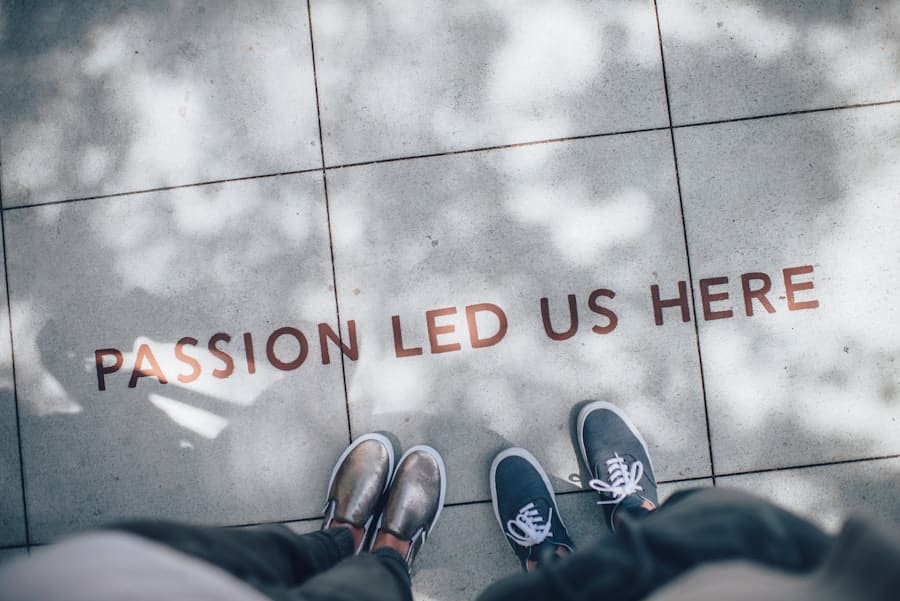
Inspiration can be elusive, but it’s all around you if you know where to look. To cultivate a sense of inspiration, immerse yourself in diverse experiences. Attend art exhibitions, read books across various genres, or explore different cultures through travel or cuisine.
Each new experience can provide a fresh perspective and spark ideas that resonate with your creative vision. Additionally, surrounding yourself with other creative individuals can be incredibly motivating. Engaging in discussions about art, literature, or any form of expression can ignite your passion and encourage you to explore new avenues.
Motivation often fluctuates, but establishing a routine can help maintain momentum in your creative practice. Set aside dedicated time for your work, treating it as an essential appointment rather than an optional task. During these sessions, allow yourself to experiment without judgment; this freedom can lead to unexpected breakthroughs.
Additionally, consider setting small, achievable goals that align with your larger aspirations. Celebrating these milestones can provide a sense of accomplishment and keep your motivation levels high as you progress on your creative journey.
Developing a Personal Creative Style
| Metrics | Results |
|---|---|
| Time spent on creative exploration | 10 hours per week |
| Number of different artistic mediums tried | 5 |
| Feedback received from peers | Positive |
| Number of personal projects completed | 3 |
Your creative style is a reflection of who you are as an artist and individual. It evolves over time as you experiment with different techniques and mediums while incorporating your unique perspective into your work. To develop this style, start by exploring various forms of expression that resonate with you.
Whether it’s painting, writing, or music, allow yourself the freedom to play and discover what feels authentic. As you create, pay attention to recurring themes or elements that emerge; these can serve as the foundation for your personal style. Once you have identified aspects of your work that resonate with you, focus on refining them.
This process may involve seeking feedback from trusted peers or mentors who can provide constructive criticism. Embrace their insights while remaining true to your vision; finding this balance is crucial for developing a style that feels genuine. Remember that your creative style is not static; it will continue to evolve as you grow and change as an artist.
Embrace this evolution as part of your journey and allow it to inform your future work.
Setting and Achieving Artistic Goals
Setting artistic goals is an essential aspect of nurturing your creativity and ensuring continuous growth. These goals provide direction and purpose, helping you stay focused on what you want to achieve in your artistic practice. Start by identifying both short-term and long-term goals that align with your aspirations.
Short-term goals might include completing a specific project or experimenting with a new technique, while long-term goals could involve exhibiting your work or publishing a book. Once you have established these goals, break them down into actionable steps. This approach makes them more manageable and less overwhelming.
Create a timeline for each goal, setting deadlines that encourage accountability without adding unnecessary pressure. Regularly review your progress and adjust your plans as needed; flexibility is key in the creative process. Celebrate each achievement along the way, no matter how small; these moments of recognition will fuel your motivation and inspire you to continue pursuing your artistic vision.
Building a Supportive Creative Community

Finding Encouragement and Constructive Feedback
Surrounding yourself with like-minded individuals who share your passion can provide encouragement, inspiration, and constructive feedback. Seek out local art groups, workshops, or online forums where you can connect with fellow creators.
Fostering a Sense of Belonging and Motivation
Engaging in discussions about your work and sharing experiences can foster a sense of belonging and motivate you to push beyond your limits. In addition to finding support from peers, consider seeking mentorship from established artists in your field.
Building Relationships and Opportunities
Building relationships within your community not only enhances your skills but also opens doors for collaboration and networking opportunities. Remember that creativity thrives in an environment of support; by uplifting one another, you contribute to a culture that celebrates artistic expression.
Embracing Failure and Learning from Mistakes
Failure is often viewed negatively in the creative world, but it is an essential part of growth and development as an artist. Embracing failure allows you to take risks without fear of judgment or disappointment. When things don’t go as planned, view these moments as valuable learning experiences rather than setbacks.
Analyze what went wrong and consider how you can apply those lessons to future projects; this mindset fosters resilience and adaptability. Moreover, sharing your failures with others can create an atmosphere of openness within your creative community. By discussing challenges openly, you not only normalize the experience of failure but also encourage others to take risks in their work.
Remember that every successful artist has faced obstacles along their journey; it’s how they respond to those challenges that ultimately shapes their success. Embrace failure as an integral part of the creative process and allow it to inform and enrich your artistic practice.
Maintaining a Healthy Work-Life Balance
As a creator, it’s easy to become consumed by your work, often leading to burnout or neglecting other aspects of life. Maintaining a healthy work-life balance is crucial for sustaining creativity over the long term. Start by establishing boundaries between your creative practice and personal life; designate specific times for work and leisure activities.
This separation allows you to recharge mentally and emotionally while ensuring that you remain engaged in other fulfilling pursuits outside of art. Additionally, prioritize self-care as an essential component of your routine. Engage in activities that nourish your mind and body—whether it’s exercise, meditation, or spending time with loved ones—these practices will enhance your overall well-being and contribute positively to your creative output.
Remember that creativity flourishes when you are well-rested and fulfilled in all areas of life; by nurturing yourself holistically, you create an environment where inspiration can thrive. In conclusion, navigating the creative process involves understanding its complexities while embracing both challenges and triumphs along the way. By overcoming blocks, finding inspiration, developing a personal style, setting goals, building community support systems, learning from failures, and maintaining balance in life outside of art—you equip yourself with the tools necessary for sustained creativity and fulfillment in your artistic journey.
For artists seeking financial independence, it is important to consider various factors as they approach retirement age. One key consideration is the establishment of passive income streams through avenues such as dividend investing. This can provide a steady source of income even after retirement, allowing artists to continue pursuing their passion without financial worries. To learn more about passive income streams and how they can contribute to financial freedom, check out this insightful article on passive income streams and dividend investing.
FAQs
What is artistic success?
Artistic success can be defined as the achievement of recognition, critical acclaim, and financial stability in the field of art. It can also be measured by the impact and influence of an artist’s work on the art world and society.
What are some factors that contribute to artistic success?
Factors that contribute to artistic success include talent, creativity, originality, dedication, hard work, perseverance, networking, marketing, and the ability to adapt to changing trends in the art world.
How do artists measure their success?
Artists may measure their success through various means, such as the number of artworks sold, the level of critical acclaim received, the size and prestige of exhibitions, the number of followers and engagement on social media, and the impact of their work on the art world and society.
Can artistic success be subjective?
Yes, artistic success can be subjective as it is often based on individual opinions, tastes, and preferences. What one person considers successful art, another may not. However, there are also objective measures of success such as awards, sales, and critical acclaim.
What are some common challenges artists face in achieving success?
Some common challenges artists face in achieving success include financial instability, lack of recognition, competition, self-doubt, rejection, and the need to balance artistic integrity with commercial viability. Additionally, artists may struggle with finding opportunities to exhibit and sell their work.
Is artistic success solely based on talent?
While talent is an important factor in artistic success, it is not the sole determinant. Hard work, dedication, networking, marketing, and the ability to adapt to the changing art market also play crucial roles in achieving artistic success.