
As you delve into the world of investing, it’s essential to grasp the fundamental concepts surrounding cryptocurrencies and alternative assets. Cryptocurrencies, such as Bitcoin and Ethereum, are digital currencies that utilize blockchain technology to facilitate secure and transparent transactions. Unlike traditional currencies issued by governments, cryptocurrencies operate on decentralized networks, which means they are not controlled by any central authority.
This decentralization is one of the key features that attract investors, as it offers a level of autonomy and potential for high returns. You may find that understanding the underlying technology and the principles of supply and demand can significantly enhance your investment strategy. Alternative assets encompass a broad range of investment opportunities beyond conventional stocks and bonds.
These can include real estate, commodities, hedge funds, private equity, and, of course, cryptocurrencies. The allure of alternative assets lies in their potential to provide diversification and hedge against market volatility. As you explore these options, consider how they can complement your existing portfolio.
By incorporating alternative assets, you may not only enhance your potential for returns but also mitigate risks associated with traditional investments. The growing interest in cryptocurrencies as a legitimate asset class further emphasizes the importance of understanding their role within the broader investment landscape.
Key Takeaways
- Cryptocurrencies and alternative assets are digital or non-traditional investment options that offer potential for high returns but also come with high volatility and risks.
- Investing in cryptocurrencies and alternative assets requires careful diversification and portfolio allocation to manage risk and maximize potential returns.
- Regulatory and legal considerations play a crucial role in cryptocurrency and alternative asset investing, as the industry is still evolving and subject to changing laws and regulations.
- Due diligence and thorough research are essential for making informed investment decisions in the cryptocurrency and alternative asset space.
- Tax implications, security, custody considerations, and long-term growth potential are important factors to consider when investing in cryptocurrencies and alternative assets.
Risks and Volatility in Cryptocurrency and Alternative Asset Investing
Investing in cryptocurrencies and alternative assets is not without its challenges. One of the most significant risks you face is volatility.
For instance, you might witness Bitcoin’s price surge to an all-time high one day, only to plummet the next. This volatility can be both exhilarating and terrifying, making it crucial for you to assess your risk tolerance before diving into this market.
Moreover, the lack of regulation in the cryptocurrency space adds another layer of risk. Unlike traditional financial markets, which are governed by established rules and oversight, the cryptocurrency market is still evolving. This means that you may encounter scams, frauds, or poorly designed projects that could jeopardize your investments.
It’s essential to remain vigilant and informed about the potential pitfalls associated with these assets. By recognizing the inherent risks and preparing yourself mentally for the ups and downs, you can approach your investment journey with a more balanced perspective.
Diversification and Portfolio Allocation in Cryptocurrency and Alternative Asset Investing
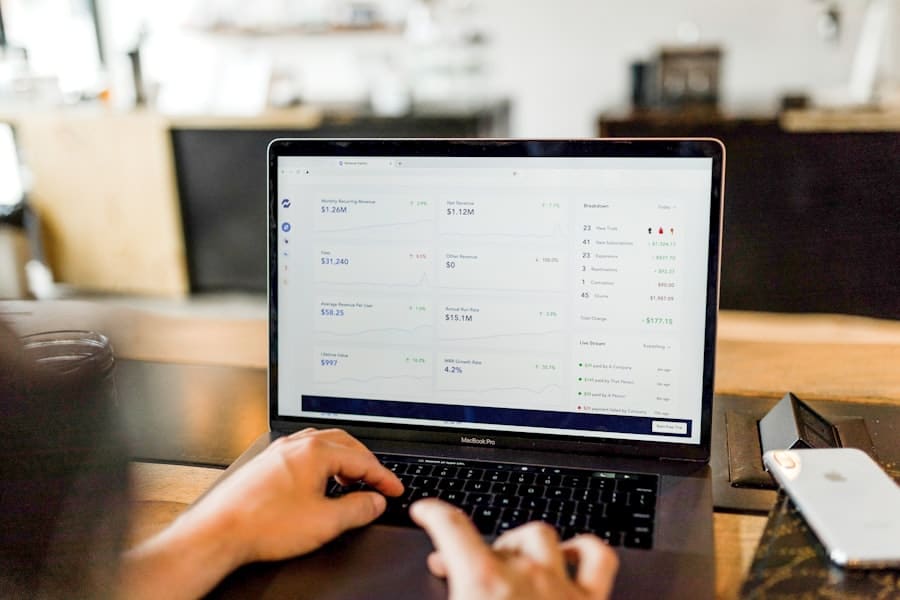
Diversification is a cornerstone principle of investing that can help you manage risk while pursuing growth. When it comes to cryptocurrencies and alternative assets, diversifying your portfolio can be particularly beneficial. By spreading your investments across various asset classes, you reduce the impact of any single asset’s poor performance on your overall portfolio.
For example, if you allocate a portion of your funds to cryptocurrencies while also investing in real estate or commodities, you may find that the performance of one asset class can offset losses in another. This strategy can provide a more stable investment experience. In determining how to allocate your portfolio among cryptocurrencies and alternative assets, consider your financial goals, risk tolerance, and investment horizon.
You might choose to allocate a smaller percentage to high-risk assets like cryptocurrencies while maintaining a more substantial investment in traditional assets for stability. As you refine your portfolio allocation strategy, keep in mind that regular rebalancing is essential to ensure that your investments align with your evolving financial objectives. By staying proactive in managing your portfolio, you can better position yourself for long-term success.
Regulatory and Legal Considerations for Cryptocurrency and Alternative Asset Investing
As you navigate the world of cryptocurrency and alternative asset investing, it’s vital to stay informed about regulatory and legal considerations. The regulatory landscape for cryptocurrencies is continually evolving as governments around the world grapple with how to classify and regulate these digital assets. Depending on where you reside, you may encounter different rules regarding taxation, trading practices, and compliance requirements.
Understanding these regulations is crucial for ensuring that your investments remain compliant and that you avoid potential legal pitfalls. Additionally, the legal status of certain cryptocurrencies can vary significantly from one jurisdiction to another. Some countries have embraced cryptocurrencies wholeheartedly, while others have imposed strict regulations or outright bans.
As an investor, it’s essential to research the legal framework governing cryptocurrencies in your region and any countries where you plan to invest. By doing so, you can make informed decisions that align with both your investment strategy and legal obligations.
Due Diligence and Research in Cryptocurrency and Alternative Asset Investing
Conducting thorough due diligence is paramount when investing in cryptocurrencies and alternative assets. Given the rapid pace of innovation in this space, it’s essential to stay informed about market trends, emerging technologies, and potential investment opportunities. You should take the time to research various projects thoroughly before committing your funds.
This includes examining the team behind a cryptocurrency project, understanding its use case, and evaluating its market potential. By conducting comprehensive research, you can make more informed decisions that align with your investment goals. Moreover, leveraging reputable sources of information is crucial in this fast-moving environment.
You might consider following industry news outlets, joining online forums or communities, and engaging with experienced investors to gain insights into market dynamics. Additionally, utilizing analytical tools can help you track price movements and assess market sentiment effectively. By dedicating time to research and due diligence, you empower yourself to make sound investment choices that can lead to long-term success.
Tax Implications of Cryptocurrency and Alternative Asset Investing

Accurate Record-Keeping is Crucial
As an investor, it’s crucial to keep accurate records of your transactions to ensure compliance with tax regulations. You may want to consult with a tax professional who specializes in cryptocurrency taxation to navigate this complex landscape effectively.
Tax Implications of Alternative Assets
Different alternative assets may have varying tax implications based on their nature and structure. For instance, real estate investments may offer tax benefits such as depreciation deductions or 1031 exchanges in certain situations. Understanding these nuances can help you optimize your tax strategy while maximizing your investment returns.
Proactive Tax Planning is Key
By being proactive about tax planning, you can avoid unexpected liabilities and ensure that your investment journey remains financially rewarding.
Security and Custody Considerations for Cryptocurrency and Alternative Asset Investing
Security is a paramount concern when investing in cryptocurrencies and alternative assets. The decentralized nature of cryptocurrencies means that you are responsible for safeguarding your digital assets from theft or loss. You should consider using secure wallets—either hardware or software—to store your cryptocurrencies safely.
Hardware wallets are often recommended for long-term storage due to their enhanced security features compared to online wallets. Additionally, enabling two-factor authentication on your accounts can provide an extra layer of protection against unauthorized access. When it comes to alternative assets like real estate or private equity investments, security considerations may differ but remain equally important.
You should conduct thorough due diligence on any platforms or firms managing these investments to ensure they have robust security measures in place. By prioritizing security in both cryptocurrency and alternative asset investing, you can protect your investments from potential threats while enjoying peace of mind.
Long-Term Outlook and Potential for Growth in Cryptocurrency and Alternative Asset Investing
As you contemplate your investment strategy in cryptocurrencies and alternative assets, it’s essential to consider the long-term outlook for these markets. While short-term volatility may be daunting, many experts believe that cryptocurrencies have significant growth potential as they gain wider acceptance among consumers and institutions alike. The increasing integration of blockchain technology into various industries suggests that cryptocurrencies could play a pivotal role in shaping the future of finance.
Similarly, alternative assets continue to attract attention from investors seeking diversification beyond traditional markets. As global economic conditions evolve, alternative investments may offer unique opportunities for growth that align with changing consumer preferences and technological advancements. By maintaining a long-term perspective on your investments in both cryptocurrencies and alternative assets, you position yourself to capitalize on emerging trends while navigating the inevitable ups and downs of the market.
In conclusion, understanding the intricacies of cryptocurrency and alternative asset investing is crucial for anyone looking to enhance their financial portfolio. By recognizing the risks involved, conducting thorough research, considering regulatory implications, prioritizing security measures, and maintaining a long-term outlook, you can navigate this dynamic landscape with confidence. As you embark on this investment journey, remember that knowledge is power; equipping yourself with information will empower you to make informed decisions that align with your financial goals.
If you are interested in learning more about achieving financial freedom in uncertain times, you may want to check out the article Navigating Financial Freedom in Uncertain Times: Strategies for Resilience. This article provides valuable insights and strategies for building financial resilience in challenging economic environments. It complements the information on investing in cryptocurrencies and other alternative assets by offering a broader perspective on achieving financial independence.
FAQs
What are cryptocurrencies and alternative assets?
Cryptocurrencies are digital or virtual currencies that use cryptography for security and operate independently of a central bank. Alternative assets refer to non-traditional investment options such as real estate, commodities, and collectibles.
What are the risks associated with investing in cryptocurrencies and alternative assets?
Investing in cryptocurrencies and alternative assets can be highly volatile and speculative, with the potential for significant price fluctuations. They may also be less regulated and more susceptible to fraud and hacking.
How can I invest in cryptocurrencies and alternative assets?
Investors can buy cryptocurrencies through online exchanges and alternative assets through specialized investment platforms, brokers, or directly from sellers. It’s important to research and understand the specific investment before making a purchase.
What are the potential benefits of investing in cryptocurrencies and alternative assets?
Investing in cryptocurrencies and alternative assets can provide diversification to a traditional investment portfolio and the potential for high returns. They may also offer opportunities for investing in emerging technologies and markets.
What should I consider before investing in cryptocurrencies and alternative assets?
Before investing, it’s important to consider factors such as the level of risk tolerance, investment goals, and the potential impact on overall portfolio diversification. It’s also crucial to stay informed about market trends and regulatory developments.