
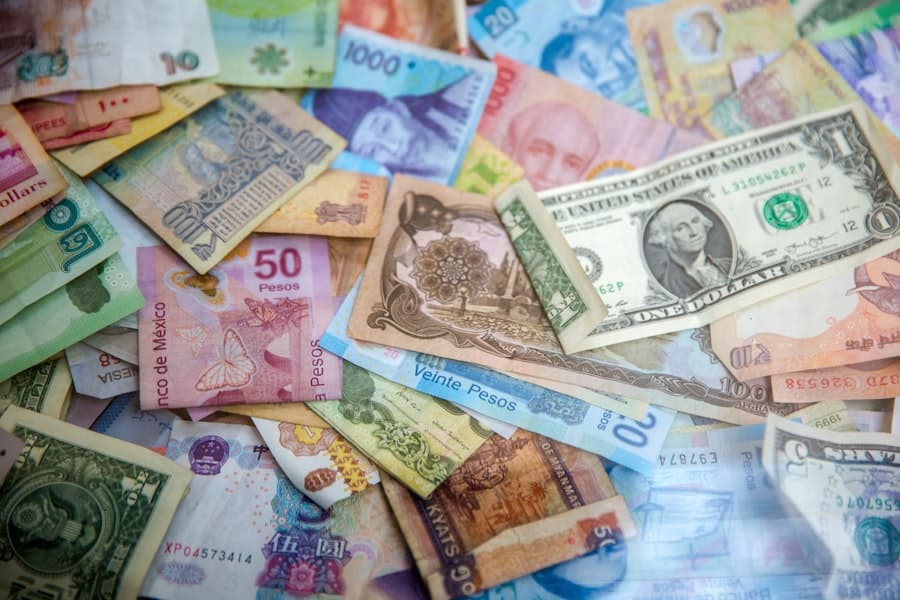
When you move to a new country, one of the first things you need to grasp is the local currency and how exchange rates work. Understanding the currency is crucial because it directly impacts your daily expenses, savings, and overall financial health. You may find yourself frequently converting your home currency into the local one, and fluctuations in exchange rates can significantly affect how much you get for your money.
For instance, if you are moving from the United States to Europe, you will need to familiarize yourself with the Euro and how it compares to the US dollar. This knowledge will help you make informed decisions about when to exchange money and how much to convert. Moreover, keeping an eye on exchange rates can save you a considerable amount of money over time.
You might want to consider using financial tools or apps that track these rates in real-time. This way, you can identify the best times to exchange your money or even set alerts for favorable rates. Additionally, understanding the local currency will help you navigate everyday transactions, from grocery shopping to paying rent.
It’s essential to know the denominations and common prices in your new environment so that you can budget effectively and avoid being taken advantage of in tourist-heavy areas.
Key Takeaways
- Understanding the local currency and exchange rates is crucial for expats to effectively manage their finances in a foreign country.
- Navigating international banking and tax regulations requires expats to stay informed and compliant with the financial laws of their host country and home country.
- Budgeting and understanding the cost of living in a foreign country is essential for expats to plan and manage their expenses effectively.
- Investing and saving as an expat requires careful consideration of tax implications and investment options available in the host country.
- Managing international health insurance and retirement accounts is important for expats to ensure their financial security and well-being while living abroad.
Navigating International Banking and Tax Regulations
As an expatriate, navigating international banking can be a daunting task. You may need to open a local bank account to manage your finances more efficiently. This often involves providing various documents, such as proof of residency, identification, and sometimes even a local tax identification number.
Each country has its own banking regulations, so it’s essential to research what is required in your new home. You might also want to consider whether a local bank or an international bank with branches in your home country would better suit your needs. Tax regulations can be equally complex.
Many countries have tax treaties with others to prevent double taxation, but understanding how these treaties apply to your situation is crucial. You may still be required to file taxes in both your home country and your new country of residence. Consulting with a tax professional who specializes in expatriate issues can help clarify your obligations and ensure that you remain compliant with both jurisdictions.
This proactive approach will save you from potential legal troubles down the line and help you make informed financial decisions.
Budgeting and Cost of Living in a Foreign Country
Budgeting in a foreign country requires a different approach than what you may be used to back home. The cost of living can vary dramatically from one place to another, influenced by factors such as housing, transportation, food, and entertainment. To create an effective budget, start by researching the average costs associated with living in your new city or town.
Websites that provide cost-of-living comparisons can be invaluable resources for this purpose. You may find that some expenses are lower than what you were accustomed to, while others may surprise you with their high prices. Once you have a clear understanding of the cost of living, it’s time to create a budget that reflects your new financial reality.
Consider using budgeting apps or spreadsheets to track your income and expenses meticulously. This will help you identify areas where you can cut back if necessary. Additionally, be mindful of cultural differences that may affect spending habits; for example, dining out might be more common in some cultures than others.
By adapting your budget to fit local customs and costs, you’ll be better prepared for financial stability in your new environment.
Investing and Saving as an Expat
Investing as an expatriate can be both rewarding and challenging. You may have access to different investment opportunities that are not available in your home country, but navigating these options requires careful consideration. Start by assessing your financial goals and risk tolerance before diving into investments.
Whether you’re interested in real estate, stocks, or mutual funds, understanding the local market is essential for making informed decisions. Saving is equally important for expatriates, especially when considering future plans such as retirement or returning home. Many expats find it beneficial to open a savings account in their new country that offers competitive interest rates.
However, it’s crucial to understand any restrictions on withdrawing funds or transferring money back home. Additionally, consider diversifying your savings across different currencies or investment vehicles to mitigate risks associated with currency fluctuations or economic instability in your host country.
Managing International Health Insurance and Retirement Accounts
Health insurance is a critical aspect of financial planning for expatriates. Depending on where you move, healthcare systems can vary widely in terms of quality and accessibility. It’s essential to research international health insurance options that provide adequate coverage for medical emergencies, routine care, and any specific needs you may have.
Some expats opt for global health insurance plans that allow them to receive care in multiple countries without facing exorbitant out-of-pocket costs. Retirement accounts also require careful management when living abroad. Depending on your home country’s regulations, you may still be able to contribute to retirement accounts while living overseas.
However, it’s vital to understand how contributions are taxed and whether they will affect your retirement savings in the long run. Consulting with a financial advisor who specializes in expatriate issues can help you navigate these complexities and ensure that your retirement planning remains on track.
Avoiding Common Financial Pitfalls for Expatriates

As an expatriate, it’s easy to fall into common financial traps that can jeopardize your financial well-being. One such pitfall is failing to account for hidden costs associated with living abroad, such as international transaction fees or currency conversion charges. These seemingly minor expenses can add up quickly and impact your overall budget significantly.
To avoid this issue, consider using local banks or credit cards that offer favorable exchange rates and low fees for international transactions. Another common mistake is neglecting to build an emergency fund while adjusting to life in a new country. Unexpected expenses can arise at any time—whether it’s a medical emergency or an urgent need for repairs in your home—so having a financial cushion is essential.
Aim to save at least three to six months’ worth of living expenses in an easily accessible account. This safety net will provide peace of mind as you navigate the challenges of expatriate life.
Building Credit and Accessing Loans Abroad
Building credit in a foreign country can be challenging but is crucial for accessing loans or credit cards when needed. Many countries have different systems for evaluating creditworthiness, so it’s essential to understand how credit scores work in your new home. Start by opening a local bank account and applying for a credit card or small loan if possible; this will help establish your credit history.
Additionally, consider using services that report your payment history back to credit bureaus in both your home country and your new country. This dual reporting can help build your credit profile more quickly and improve your chances of securing loans or favorable interest rates down the line. Remember that building credit takes time; patience and responsible financial behavior are key components of this process.
Seeking Professional Financial Advice for Expats
Finally, seeking professional financial advice tailored specifically for expatriates can be one of the best decisions you make regarding your finances abroad. Financial advisors who specialize in expatriate issues understand the unique challenges you face and can provide personalized strategies for managing investments, taxes, and retirement planning effectively. They can also help you navigate complex regulations that vary from country to country.
When looking for a financial advisor, consider their experience with expatriates and their understanding of both local and international financial systems. A good advisor will take the time to understand your individual circumstances and goals before recommending strategies tailored to your needs. By investing in professional guidance, you’ll be better equipped to make informed decisions that align with your long-term financial objectives while living abroad.
In conclusion, managing finances as an expatriate involves understanding local currencies, navigating banking regulations, budgeting effectively, investing wisely, managing health insurance and retirement accounts, avoiding common pitfalls, building credit, and seeking professional advice when necessary. By taking these steps seriously, you can ensure a smoother transition into expatriate life while maintaining financial stability and achieving your goals abroad.
For expatriates looking to maximize their financial knowledge, understanding tax deductions and credits can be crucial. This article provides valuable information on how expatriates can take advantage of tax benefits while living abroad. Additionally, gaining a deeper understanding of asset classes such as equities, bonds, and commodities can help expatriates make informed investment decisions. This article offers insights into the different types of assets and how they can contribute to a diversified investment portfolio. Lastly, for expatriates looking to achieve financial freedom through entrepreneurship, launching a business can be a rewarding endeavor. This article provides guidance on starting a business and building a successful venture while living abroad.
FAQs
What is financial literacy for expatriates?
Financial literacy for expatriates refers to the knowledge and understanding of financial concepts and practices that are relevant to living and working abroad. This includes understanding currency exchange rates, international banking, tax implications, and investment options in a foreign country.
Why is financial literacy important for expatriates?
Financial literacy is important for expatriates because it helps them navigate the complexities of managing their finances in a foreign country. It can help expatriates make informed decisions about banking, investing, taxes, and budgeting, ultimately leading to better financial stability and security while living abroad.
What are some key financial considerations for expatriates?
Some key financial considerations for expatriates include understanding the local currency and exchange rates, opening a bank account in the host country, managing international taxes, and making informed decisions about investments and retirement planning.
How can expatriates improve their financial literacy?
Expatriates can improve their financial literacy by seeking out resources and information specific to the country they are living in, such as local financial advisors, expatriate forums, and government websites. They can also consider taking financial literacy courses or workshops tailored to expatriates.
What are some common challenges expatriates face with money matters abroad?
Common challenges expatriates face with money matters abroad include fluctuating exchange rates, navigating complex tax systems in multiple countries, understanding local banking practices, and managing retirement savings and investments across borders.