
Financial literacy is an essential skill that empowers you to make informed decisions about your money. At its core, financial literacy involves understanding key concepts such as budgeting, saving, investing, and managing debt. It’s not just about knowing how to balance a checkbook; it’s about grasping the broader implications of your financial choices and how they affect your life.
By developing a solid foundation in financial literacy, you can navigate the complexities of personal finance with confidence and clarity. To truly grasp financial literacy, you must first recognize the importance of financial education. This knowledge equips you with the tools necessary to set realistic financial goals, create effective budgets, and make sound investment choices.
It also helps you understand the impact of economic factors on your personal finances. By becoming financially literate, you can avoid common pitfalls, such as falling into debt or making impulsive purchases that could jeopardize your financial stability. Ultimately, financial literacy is about taking control of your financial future and making choices that align with your values and aspirations.
Key Takeaways
- Financial literacy is the foundation for making informed and effective financial decisions.
- Budgeting is essential for managing money and achieving financial goals.
- Investing and saving for the future are crucial for long-term financial security.
- Understanding credit and debt is important for maintaining a healthy financial profile.
- Financial planning is necessary for major life events such as buying a home, getting married, or retiring.
Budgeting and Money Management
Budgeting is a fundamental aspect of money management that allows you to track your income and expenses effectively. When you create a budget, you gain insight into where your money is going and can identify areas where you might be overspending. This process not only helps you manage your day-to-day finances but also enables you to allocate funds toward savings and investments.
By setting clear financial goals and adhering to a budget, you can work toward achieving both short-term and long-term objectives. Effective money management goes beyond just creating a budget; it involves developing healthy financial habits. You should regularly review your budget to ensure it reflects your current financial situation and adjust it as necessary.
This practice helps you stay on top of your expenses and prevents you from falling into debt. Additionally, consider using tools like budgeting apps or spreadsheets to simplify the process. By actively engaging in money management, you can cultivate a sense of discipline that will serve you well throughout your financial journey.
Investing and Saving for the Future
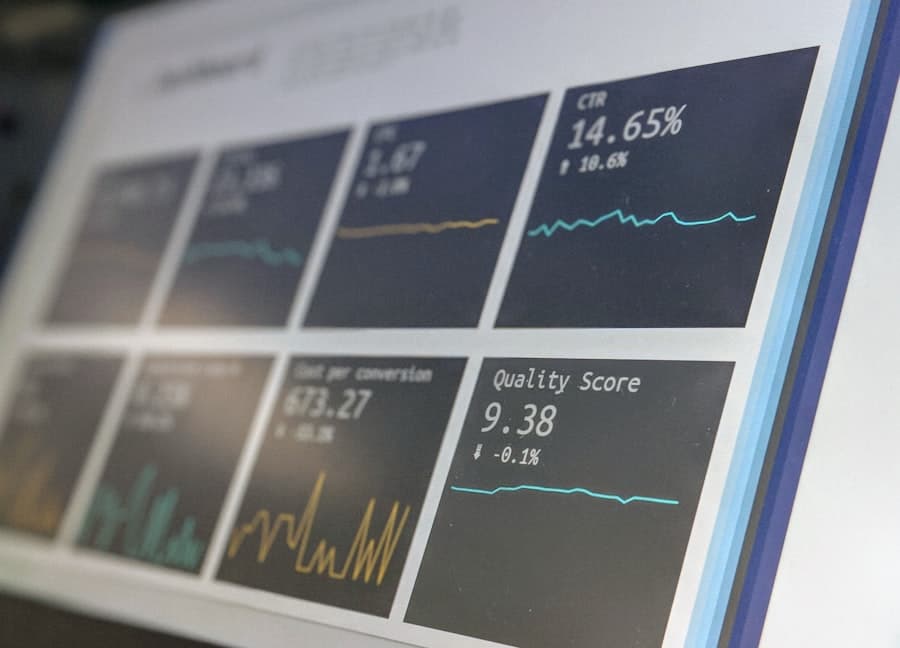
Investing is a crucial component of building wealth and securing your financial future. While saving is important for short-term goals and emergencies, investing allows your money to grow over time through the power of compound interest. When you invest in assets such as stocks, bonds, or real estate, you are essentially putting your money to work for you.
Understanding the different types of investments and their associated risks is vital for making informed decisions that align with your financial goals. As you begin to invest, it’s essential to establish a diversified portfolio that balances risk and reward. Diversification involves spreading your investments across various asset classes to minimize risk while maximizing potential returns.
Additionally, consider setting up automatic contributions to your investment accounts to ensure consistent growth over time. By prioritizing both saving and investing, you can create a robust financial foundation that supports your long-term aspirations, whether that means buying a home, funding your children’s education, or enjoying a comfortable retirement.
Understanding Credit and Debt
Credit plays a significant role in your financial life, influencing everything from loan approvals to interest rates on credit cards. Understanding how credit works is essential for managing debt effectively. Your credit score is a numerical representation of your creditworthiness, which lenders use to assess the risk of lending to you.
By maintaining a good credit score through timely payments and responsible borrowing, you can secure better loan terms and save money in the long run. However, it’s crucial to be mindful of debt and its potential impact on your financial health. While some debt can be beneficial—such as a mortgage or student loans—excessive debt can lead to financial strain and stress.
To manage debt effectively, create a repayment plan that prioritizes high-interest debts first while making minimum payments on others. Additionally, avoid accumulating new debt unless absolutely necessary. By understanding the dynamics of credit and debt, you can make informed choices that protect your financial well-being.
Financial Planning for Major Life Events
Life is full of significant events that can have profound financial implications, such as marriage, having children, buying a home, or retirement. Each of these milestones requires careful financial planning to ensure that you are prepared for the associated costs. For instance, if you’re planning to start a family, consider the expenses related to childcare, education, and healthcare.
By anticipating these costs early on, you can create a budget that accommodates them without compromising your overall financial stability. Moreover, major life events often necessitate adjustments to your financial goals and strategies. For example, if you’re buying a home, you may need to save for a down payment while also considering ongoing expenses like property taxes and maintenance costs.
Similarly, as you approach retirement age, it’s essential to evaluate your savings and investment strategies to ensure that you have enough income to support your desired lifestyle. By proactively planning for these life events, you can navigate transitions with greater ease and confidence.
Understanding Insurance and Risk Management

Insurance is a critical aspect of financial planning that helps protect you from unforeseen events that could jeopardize your financial stability. Whether it’s health insurance, auto insurance, or homeowners insurance, having adequate coverage can provide peace of mind in times of crisis. Understanding the different types of insurance available and assessing your needs is essential for effective risk management.
By evaluating potential risks in your life—such as health issues or property damage—you can determine the appropriate level of coverage required. In addition to traditional insurance policies, consider exploring other risk management strategies such as emergency funds or diversifying investments. An emergency fund acts as a safety net during unexpected situations like job loss or medical emergencies, allowing you to cover essential expenses without resorting to debt.
By combining insurance with proactive risk management strategies, you can safeguard your financial future against uncertainties while ensuring that you are prepared for whatever life may throw your way.
Learning about Taxes and Government Benefits
Understanding taxes is an integral part of managing your finances effectively. Taxes can significantly impact your income and overall financial situation, so it’s crucial to familiarize yourself with tax laws and regulations relevant to your circumstances. This knowledge enables you to take advantage of deductions and credits that can reduce your tax liability.
Additionally, being aware of tax deadlines ensures that you remain compliant while avoiding penalties. Moreover, exploring government benefits can provide additional support during challenging times or when pursuing specific goals. Programs such as Social Security, unemployment benefits, or educational grants can offer valuable resources that enhance your financial stability.
By staying informed about available benefits and understanding how they fit into your overall financial plan, you can make more strategic decisions that align with your long-term objectives.
Continuing Education and Resources for Financial Literacy
Financial literacy is not a one-time achievement; it requires ongoing education and engagement with new information as economic landscapes evolve. To stay informed about personal finance topics, consider seeking out resources such as books, online courses, podcasts, or workshops focused on financial literacy. Many organizations offer free or low-cost educational materials designed to enhance your understanding of various financial concepts.
Additionally, engaging with communities—whether online or in-person—can provide valuable insights from others who are navigating similar financial journeys. Sharing experiences and learning from one another fosters a supportive environment where everyone can grow their financial knowledge together. By committing to continuous learning in the realm of finance, you empower yourself to make informed decisions that positively impact your financial future for years to come.
If you are looking to improve your financial literacy skills, you may also be interested in learning about wise stock buying and trading through value investing. This article on wise stock buying and trading can provide valuable insights into making informed investment decisions. Understanding the impact of financial freedom on overall happiness and well-being is also crucial in managing your finances effectively. Check out this article on financial freedom and happiness to gain a deeper understanding of the relationship between money and well-being. Additionally, building good credit is essential for achieving financial stability. Learn more about how to build good credit by reading this informative article on building good credit.
FAQs
What is financial literacy?
Financial literacy refers to the ability to understand and effectively use various financial skills, including personal financial management, budgeting, and investing.
Why is financial literacy important?
Financial literacy is important because it helps individuals make informed financial decisions, manage their money effectively, and plan for their future financial goals.
How can I improve my financial literacy skills?
You can improve your financial literacy skills by educating yourself through books, online resources, workshops, and courses. It’s also helpful to practice good financial habits, such as budgeting and saving.
What are some key financial literacy concepts to learn?
Some key financial literacy concepts to learn include budgeting, saving and investing, understanding credit and debt, managing taxes, and planning for retirement.
Where can I find resources to improve my financial literacy?
You can find resources to improve your financial literacy at your local library, online through websites and blogs, and through financial education programs offered by banks and non-profit organizations.