
When you think about the unbanked population, it’s essential to recognize that this group comprises individuals who do not have access to traditional banking services. This lack of access can stem from various factors, including socioeconomic status, geographic location, and personal circumstances. You might be surprised to learn that millions of people around the world fall into this category, often relying on cash transactions and informal financial systems.
Understanding the demographics of the unbanked is crucial; they often include low-income families, immigrants, and those living in rural areas where banks are scarce. The unbanked population is not a monolithic group; it consists of diverse individuals with unique stories and challenges. For instance, you may encounter single parents struggling to make ends meet or young adults just starting their financial journeys.
Each person’s experience with financial services is shaped by their background and environment. By delving deeper into the reasons behind their unbanked status, you can better appreciate the complexities of their financial lives and the urgent need for tailored solutions that address their specific needs.
Key Takeaways
- The unbanked population refers to individuals who do not have access to traditional financial services such as bank accounts and credit cards.
- Barriers to accessing financial services for the unbanked include lack of documentation, high fees, and physical distance to financial institutions.
- Financial literacy is crucial for the unbanked to understand the importance of saving, budgeting, and making informed financial decisions.
- Strategies for reaching the unbanked include mobile banking, microfinance, and financial education programs tailored to their needs.
- Promoting financial inclusion involves creating policies and initiatives to ensure that all individuals have access to affordable and appropriate financial services.
Barriers to Accessing Financial Services
As you explore the barriers that prevent individuals from accessing financial services, you will find that these obstacles are multifaceted. One significant barrier is the lack of identification documents, which many banks require to open an account. For some individuals, obtaining these documents can be a daunting task due to bureaucratic hurdles or financial constraints.
You may also discover that high fees associated with maintaining a bank account deter many potential customers, particularly those living paycheck to paycheck. Another critical barrier is the lack of trust in financial institutions. Many unbanked individuals have had negative experiences with banks or have heard stories from friends and family that reinforce their skepticism.
This distrust can be compounded by cultural factors or historical injustices that have led certain communities to feel alienated from the financial system. As you consider these barriers, it becomes clear that addressing them requires a comprehensive approach that not only simplifies access but also builds trust and confidence in financial institutions.
Importance of Financial Literacy for the Unbanked
Financial literacy plays a pivotal role in empowering the unbanked population. When you think about it, understanding basic financial concepts can significantly impact an individual’s ability to manage their money effectively. For those who lack access to traditional banking services, financial literacy becomes even more critical as they navigate alternative financial systems.
By equipping individuals with knowledge about budgeting, saving, and investing, you can help them make informed decisions that lead to greater financial stability. Moreover, financial literacy fosters a sense of agency among the unbanked. When individuals understand how money works and the benefits of using formal financial services, they are more likely to seek out these options.
You might find that community workshops or online resources focused on financial education can bridge the knowledge gap and encourage individuals to take control of their financial futures. Ultimately, promoting financial literacy is not just about imparting knowledge; it’s about instilling confidence and empowering individuals to make choices that enhance their quality of life.
Strategies for Reaching the Unbanked
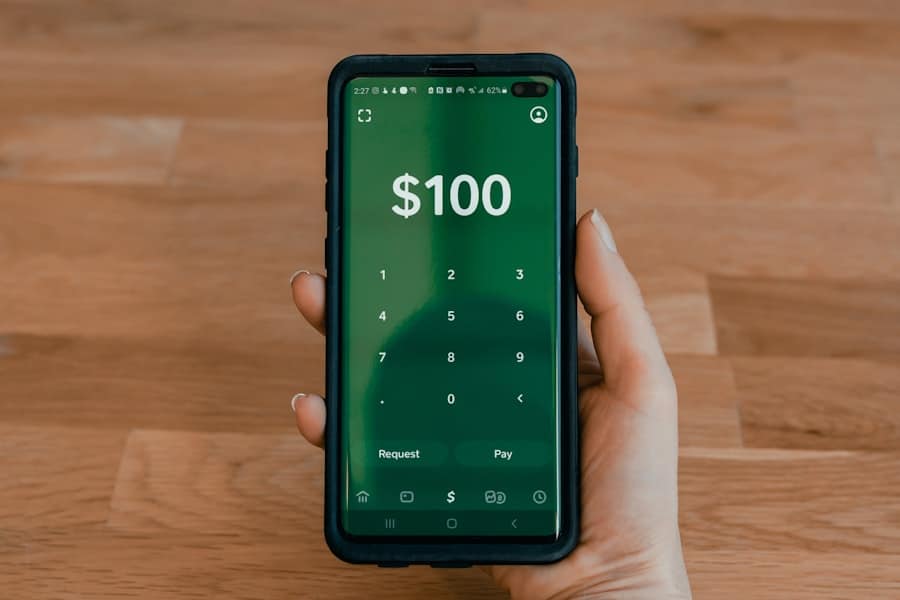
To effectively reach the unbanked population, you must employ a variety of strategies tailored to their unique needs and circumstances. One approach is to leverage technology, particularly mobile banking solutions that allow individuals to manage their finances from their smartphones. As you explore this avenue, consider how mobile apps can provide essential services like money transfers, bill payments, and savings tools without requiring a traditional bank account.
In addition to technology, community engagement is vital in reaching the unbanked. You might consider partnering with local organizations that already have established relationships within these communities. By collaborating with trusted figures such as community leaders or social workers, you can create outreach programs that resonate with individuals who may be hesitant to engage with traditional banks.
These programs could include workshops on financial literacy or events that promote available banking services in a familiar and comfortable setting.
Promoting Financial Inclusion
Promoting financial inclusion is not just about providing access to banking services; it’s about creating an ecosystem where everyone has the opportunity to thrive financially. As you think about this concept, consider how policies at both local and national levels can support initiatives aimed at including the unbanked population in the financial system. For instance, advocating for regulations that lower barriers for account opening or reduce fees can make a significant difference in accessibility.
Furthermore, promoting financial inclusion requires a shift in mindset among financial institutions themselves. You may find that banks and credit unions need to develop products specifically designed for low-income individuals or those without traditional credit histories. By creating tailored offerings such as low-fee accounts or microloans, these institutions can better serve the unbanked population while also expanding their customer base.
Ultimately, fostering an inclusive financial environment benefits everyone by promoting economic growth and stability.
Tools and Resources for Financial Literacy

Online Resources for Self-Paced Learning
As you explore tools and resources for enhancing financial literacy among the unbanked population, you’ll discover a wealth of options available today. Online platforms offer interactive courses covering various topics such as budgeting, saving, and credit management. These resources can be particularly beneficial for individuals who may not have access to traditional educational settings but are eager to learn at their own pace.
Community-Based Programs for Hands-On Learning
In addition to online resources, consider the value of community-based programs that provide hands-on learning experiences. Workshops led by knowledgeable facilitators can create an engaging environment where participants feel comfortable asking questions and sharing their experiences. You might also explore partnerships with local libraries or community centers that can serve as venues for these educational initiatives.
A Comprehensive Approach to Financial Literacy
By combining digital tools with in-person support, you can create a comprehensive approach to financial literacy that meets individuals where they are. This integrated approach can help ensure that individuals have access to the resources they need to improve their financial literacy and make informed decisions about their financial lives.
Overcoming Cultural and Language Barriers
When addressing the needs of the unbanked population, it’s crucial to recognize and overcome cultural and language barriers that may hinder effective communication. You may encounter individuals from diverse backgrounds who speak different languages or have varying levels of familiarity with financial concepts. To ensure your outreach efforts are inclusive, consider providing materials in multiple languages and employing bilingual staff who can facilitate discussions.
Cultural sensitivity is equally important in your approach. Understanding the values and beliefs of different communities can help you tailor your messaging in a way that resonates with them. For instance, you might find that certain cultures place a strong emphasis on family support systems; framing financial education around collective goals could enhance engagement.
By actively working to bridge these gaps, you can foster an environment where all individuals feel valued and empowered to participate in the financial system.
Collaborating with Community Organizations
Collaboration with community organizations is essential for effectively reaching and supporting the unbanked population. These organizations often have deep-rooted connections within their communities and possess valuable insights into the specific challenges faced by individuals in those areas. By partnering with local nonprofits, faith-based groups, or social service agencies, you can leverage their expertise and networks to enhance your outreach efforts.
You might also consider co-developing programs or initiatives that align with the goals of both your organization and your community partners. For example, hosting joint workshops on financial literacy or creating resource guides tailored to local needs can amplify your impact. Collaboration not only strengthens your outreach but also fosters a sense of community ownership over financial inclusion efforts.
As you work together towards common goals, you will likely find that collective action leads to more sustainable solutions for empowering the unbanked population. In conclusion, addressing the needs of the unbanked population requires a multifaceted approach that encompasses understanding their unique challenges, promoting financial literacy, and fostering collaboration within communities. By employing targeted strategies and leveraging available resources, you can play a vital role in promoting financial inclusion and empowering individuals to take control of their financial futures.
In a related article on financialfreedom-today.com, an analysis of economic policies is discussed in depth. This article delves into the impact of various economic policies on financial literacy and access to financial services for the unbanked population. To read more about how economic policies can affect financial inclusion, visit this link.
FAQs
What is financial literacy?
Financial literacy refers to the ability to understand and effectively use various financial skills, including personal financial management, budgeting, and investing.
What does it mean to be unbanked?
Being unbanked means not having a bank account or access to traditional financial services such as savings accounts, credit cards, or loans.
Why is financial literacy important for the unbanked?
Financial literacy is important for the unbanked because it can help them understand the benefits of accessing financial services, make informed financial decisions, and improve their overall financial well-being.
What are some barriers to financial literacy for the unbanked?
Barriers to financial literacy for the unbanked may include lack of access to financial education, limited understanding of financial concepts, and cultural or language barriers.
How can the unbanked access financial services?
The unbanked can access financial services through alternative financial institutions such as microfinance institutions, mobile money services, and community-based savings groups.
What are some strategies to improve financial literacy for the unbanked?
Strategies to improve financial literacy for the unbanked may include providing financial education programs, developing culturally relevant financial resources, and promoting access to affordable and transparent financial services.