
Market volatility is an inherent characteristic of financial markets, reflecting the rapid and often unpredictable changes in asset prices. As an investor, it’s crucial for you to grasp the concept of volatility, as it can significantly impact your investment decisions and overall portfolio performance. Volatility can arise from various factors, including economic indicators, geopolitical events, and changes in market sentiment.
Understanding these fluctuations allows you to navigate the complexities of investing with greater confidence and foresight. When you observe a volatile market, it’s easy to feel anxious or uncertain about your investments. However, recognizing that volatility is a natural part of the market cycle can help you maintain a level-headed approach.
Instead of reacting impulsively to short-term price movements, you can focus on your long-term investment strategy. By understanding the underlying causes of market volatility, you can better prepare yourself to weather the storms and seize opportunities when they arise.
Key Takeaways
- Market volatility is a natural part of investing and can present both risks and opportunities.
- Diversification helps spread out risk by investing in a variety of assets across different industries and regions.
- Dollar-cost averaging involves investing a fixed amount of money at regular intervals, which can help reduce the impact of market fluctuations.
- Long-term investing involves staying invested through market ups and downs to potentially benefit from compounding returns.
- Defensive stocks are from stable companies that tend to perform well during economic downturns, providing a cushion during market volatility.
Diversification: Spreading Out Your Investments
Protecting Your Portfolio
As you consider your investment options, think about how diversification can help you achieve a more balanced and resilient portfolio. When you diversify, you’re not just protecting yourself from potential losses; you’re also positioning yourself to take advantage of different growth opportunities. For instance, if one sector underperforms, gains in another can help offset those losses.
Capturing Returns from Various Sources
This approach allows you to capture returns from various sources while minimizing the impact of market fluctuations on your overall portfolio.
Aligning with Your Goals
As you build your investment strategy, consider how you can effectively diversify to align with your risk tolerance and financial goals.
Dollar-Cost Averaging: Investing Regularly
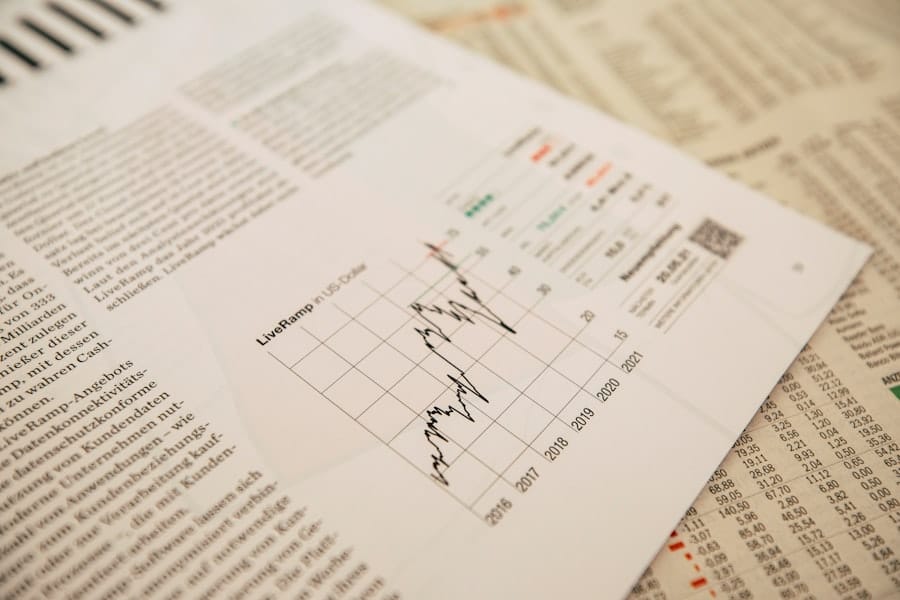
Dollar-cost averaging is an investment strategy that involves consistently investing a fixed amount of money at regular intervals, regardless of market conditions. This approach can be particularly beneficial for you as it helps mitigate the effects of market volatility. By investing regularly, you purchase more shares when prices are low and fewer shares when prices are high, ultimately averaging out your cost per share over time.
Implementing dollar-cost averaging can also help you develop a disciplined investment habit. Instead of trying to time the market—a notoriously difficult task—you commit to investing consistently. This strategy not only reduces the emotional stress associated with market fluctuations but also encourages a long-term perspective.
As you continue to invest regularly, you may find that your portfolio grows steadily over time, providing you with a sense of security and confidence in your financial future.
Long-Term Investing: Riding Out the Ups and Downs
Long-term investing is a strategy that emphasizes holding onto investments for an extended period, allowing them to grow and compound over time. As an investor, adopting a long-term perspective can be one of the most effective ways to navigate market volatility. While short-term fluctuations may cause concern, history has shown that markets tend to recover and grow over the long haul.
By focusing on your long-term goals, you can avoid making impulsive decisions based on temporary market conditions. When you commit to long-term investing, you give your investments the opportunity to benefit from compounding returns. This means that not only do your initial investments grow, but the returns generated also contribute to future growth.
As you ride out the ups and downs of the market, remember that patience is key. Staying invested through market cycles can lead to significant wealth accumulation over time, reinforcing the importance of maintaining a long-term outlook in your investment strategy.
Defensive Stocks: Investing in Stable Companies
Defensive stocks are shares in companies that tend to perform well during economic downturns or periods of market volatility. These companies typically belong to sectors such as utilities, consumer staples, and healthcare—industries that provide essential goods and services regardless of economic conditions. As you consider your investment options, incorporating defensive stocks into your portfolio can provide a buffer against market fluctuations and enhance overall stability.
Investing in defensive stocks allows you to focus on companies with strong fundamentals and consistent earnings. These companies often have established business models and loyal customer bases, making them less susceptible to economic cycles. By allocating a portion of your portfolio to defensive stocks, you can create a more balanced investment strategy that helps protect your assets during turbulent times while still allowing for growth potential in more aggressive sectors.
Utilizing Options and Derivatives
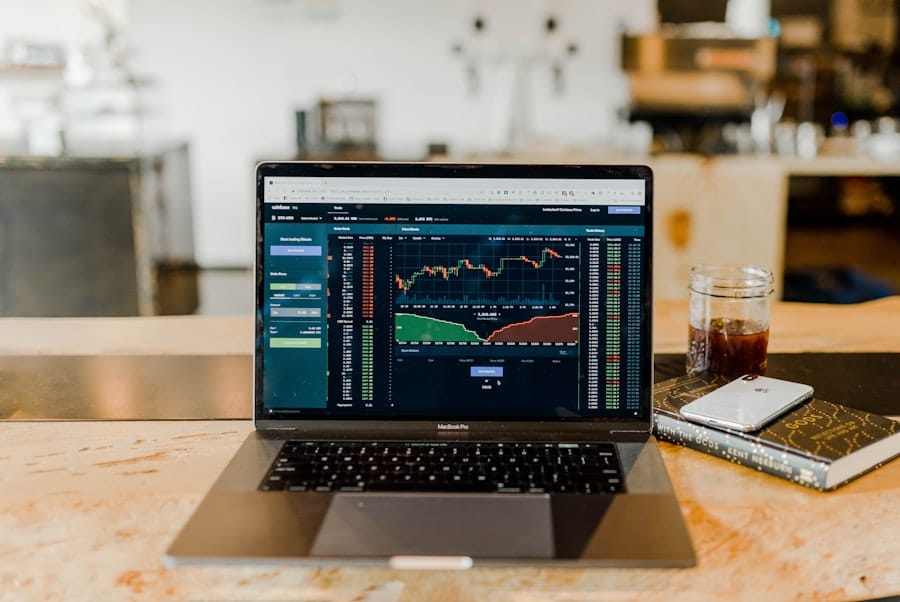
Options and derivatives are financial instruments that can provide investors with additional strategies for managing risk and enhancing returns. As you explore these tools, it’s essential to understand their complexities and how they can fit into your overall investment strategy. Options allow you to buy or sell an underlying asset at a predetermined price within a specific timeframe, offering flexibility in responding to market movements.
By utilizing options and derivatives, you can hedge against potential losses or enhance your portfolio’s performance during volatile periods. For instance, purchasing put options can provide downside protection for your investments, while call options can allow you to capitalize on upward price movements without committing significant capital upfront. However, it’s crucial to approach these instruments with caution and ensure that they align with your risk tolerance and investment objectives.
Active Management: Adjusting Your Portfolio
Active management involves regularly reviewing and adjusting your investment portfolio based on market conditions and performance metrics. As an investor, adopting an active management approach allows you to respond proactively to changes in the market landscape. This strategy can be particularly beneficial during periods of heightened volatility when certain sectors may require more attention than others.
By actively managing your portfolio, you can identify underperforming assets and make informed decisions about reallocating resources to more promising opportunities. This hands-on approach enables you to stay aligned with your financial goals while adapting to changing market dynamics. However, it’s essential to strike a balance between active management and maintaining a long-term perspective to avoid overreacting to short-term fluctuations.
Hedging: Protecting Your Investments
Hedging is a risk management strategy that involves taking positions in financial instruments designed to offset potential losses in your primary investments. As an investor, understanding how to hedge effectively can provide an additional layer of protection during volatile market conditions. Common hedging techniques include using options, futures contracts, or inverse exchange-traded funds (ETFs) that move inversely to the underlying assets.
When implementing a hedging strategy, it’s important to assess your risk exposure and determine which assets require protection. By strategically hedging your investments, you can mitigate potential losses while still allowing for growth opportunities in other areas of your portfolio. However, keep in mind that hedging comes with its own costs and complexities; therefore, it’s essential to weigh the benefits against potential drawbacks before proceeding.
Cash Reserves: Having a Safety Net
Maintaining cash reserves is a prudent strategy for any investor looking to navigate market volatility effectively. Having liquid assets readily available provides you with a safety net during uncertain times, allowing you to respond quickly to opportunities or emergencies without needing to liquidate other investments at unfavorable prices. As you build your investment strategy, consider how much cash reserve is appropriate for your financial situation.
Cash reserves not only offer peace of mind but also enable you to take advantage of buying opportunities during market downturns. When prices drop significantly, having cash on hand allows you to purchase quality assets at discounted rates—an approach that can enhance your long-term returns. Striking the right balance between cash reserves and invested assets is crucial; too much cash may hinder growth potential while too little may expose you to unnecessary risks.
Investing in Gold and Other Precious Metals
Gold and other precious metals have long been considered safe-haven assets during times of economic uncertainty and market volatility. As an investor seeking stability in turbulent times, allocating a portion of your portfolio to precious metals can provide diversification benefits and act as a hedge against inflation or currency fluctuations. Gold tends to retain its value even when other assets decline, making it an attractive option for risk-averse investors.
Investing in precious metals can take various forms—physical bullion, exchange-traded funds (ETFs), or mining stocks—each offering unique advantages and risks. As you consider incorporating gold or other precious metals into your investment strategy, evaluate how they align with your overall goals and risk tolerance. By adding these assets to your portfolio, you may enhance its resilience against market volatility while potentially benefiting from their long-term appreciation.
Seeking Professional Advice: Working with a Financial Advisor
Navigating the complexities of investing can be challenging, especially during periods of market volatility. Seeking professional advice from a financial advisor can provide valuable insights tailored to your unique financial situation and goals. A qualified advisor can help you develop a comprehensive investment strategy that considers your risk tolerance, time horizon, and individual preferences.
Working with a financial advisor allows you access to expertise that can enhance your decision-making process during uncertain times. They can assist in creating a diversified portfolio, implementing risk management strategies like hedging or dollar-cost averaging, and adjusting your investments as needed based on changing market conditions. By collaborating with a professional, you empower yourself with knowledge and support that can lead to more informed investment choices and ultimately contribute to achieving your financial objectives.
In conclusion, understanding market volatility is essential for any investor looking to navigate the complexities of financial markets successfully. By employing strategies such as diversification, dollar-cost averaging, long-term investing, defensive stocks, options trading, active management, hedging, maintaining cash reserves, investing in precious metals, and seeking professional advice, you can build a resilient investment portfolio capable of weathering economic storms while positioning yourself for future growth.
If you are interested in exploring how cultural and societal norms around money impact an individual’s pursuit of financial freedom, you may want to check out the article How Do Cultural and Societal Norms Around Money Impact an Individual’s Pursuit of Financial Freedom? This article delves into the various influences that shape our attitudes towards money and how they can impact our financial decisions and goals. Understanding these factors can be crucial in developing effective investment strategies for navigating a volatile market.
FAQs
What are investment strategies for a volatile market?
Investment strategies for a volatile market include diversifying your portfolio, investing in defensive stocks, using dollar-cost averaging, and considering alternative investments such as real estate or commodities.
How can diversifying your portfolio help in a volatile market?
Diversifying your portfolio can help spread risk across different asset classes, industries, and geographic regions, reducing the impact of market volatility on your overall investment.
What are defensive stocks and how can they help in a volatile market?
Defensive stocks are stocks of companies that are less sensitive to economic cycles and tend to perform well in volatile markets. These companies typically operate in industries such as utilities, healthcare, and consumer staples.
What is dollar-cost averaging and how can it be used in a volatile market?
Dollar-cost averaging is an investment strategy where you invest a fixed amount of money at regular intervals, regardless of market conditions. This strategy can help smooth out the impact of market volatility by buying more shares when prices are low and fewer shares when prices are high.
What are alternative investments and how can they be beneficial in a volatile market?
Alternative investments, such as real estate, commodities, and private equity, can provide diversification and potentially lower correlation to traditional stock and bond markets, making them attractive options in a volatile market.