
Inflation is a critical economic indicator that affects nearly every aspect of your financial life. When inflation rises, the purchasing power of your money diminishes, meaning that you can buy less with the same amount of cash. This phenomenon can lead to increased costs for everyday goods and services, from groceries to gas.
As a consumer, you may find yourself adjusting your budget to accommodate these rising prices, which can create a ripple effect throughout the economy. Central banks, like the Federal Reserve in the United States, often respond to inflation by adjusting interest rates. When inflation is high, they may increase interest rates to cool down the economy and bring prices back in line.
Conversely, when inflation is low or deflation occurs, central banks may lower interest rates to stimulate spending and investment. This creates a more favorable borrowing environment for you, as loans become cheaper and savings accounts yield less interest. Understanding the relationship between inflation and interest rates is crucial for making informed financial decisions.
Whether you are considering a mortgage, investing in stocks, or saving for retirement, these economic factors will influence your choices and potential returns.
Key Takeaways
- Inflation and interest rates are closely linked, with higher inflation typically leading to higher interest rates to control it.
- Market trends and conditions can be influenced by a variety of factors, including consumer behavior, technological advancements, and global economic conditions.
- Government policies and regulations can have a significant impact on businesses and industries, affecting everything from taxation to environmental standards.
- Currency exchange rates can impact international trade and investment, affecting the competitiveness of businesses in different countries.
- Industry and sector performance can vary widely based on factors such as consumer demand, technological innovation, and regulatory changes.
Market Trends and Conditions
Market trends are essential indicators of economic health and can significantly impact your investment strategies. You may notice that certain sectors outperform others based on prevailing market conditions. For instance, during periods of economic expansion, consumer discretionary stocks often thrive as people have more disposable income to spend on non-essential items.
Conversely, in times of recession, defensive stocks—such as utilities and healthcare—tend to perform better as they provide essential services that people continue to need regardless of economic conditions. Keeping an eye on market trends allows you to make strategic decisions about where to allocate your resources. You might find it beneficial to diversify your portfolio based on these trends, investing in sectors that show promise while being cautious about those that are underperforming.
Additionally, understanding market sentiment can help you gauge when to enter or exit positions. By staying informed about current market conditions, you can better position yourself for financial success.
Government Policies and Regulations

Government policies and regulations play a pivotal role in shaping the economic landscape you navigate daily. These policies can influence everything from taxation to trade agreements, affecting businesses and consumers alike. For example, if the government implements tax cuts, you may see an increase in disposable income, which could lead to higher consumer spending and stimulate economic growth.
On the other hand, increased regulations on industries such as finance or healthcare can lead to higher operational costs for companies, which may ultimately be passed on to you as a consumer. Moreover, government interventions during economic crises can have lasting effects on the economy. Stimulus packages designed to boost spending can provide immediate relief but may also lead to long-term implications such as increased national debt or inflationary pressures.
As a citizen and consumer, it’s essential to stay informed about these policies and their potential impacts on your financial situation. Understanding how government actions affect the economy can empower you to make better financial decisions.
Currency Exchange Rates
Currency exchange rates are another critical factor that influences your financial landscape, especially if you engage in international travel or trade. Fluctuations in exchange rates can affect the cost of imported goods and services, impacting your purchasing power when traveling abroad or buying foreign products. For instance, if the value of your home currency declines against another currency, you may find that your travel expenses increase significantly when visiting that country.
If you invest in international stocks or bonds, changes in exchange rates can either enhance or diminish your returns. A strong home currency can make foreign investments cheaper, while a weak currency can increase their cost.
Being aware of these dynamics allows you to make informed decisions about where to invest your money and how to manage your finances effectively.
Industry and Sector Performance
The performance of specific industries and sectors can significantly influence your investment choices and career prospects. Certain sectors may thrive during particular economic cycles while others may struggle. For example, technology and healthcare sectors often see robust growth due to innovation and increasing demand for services.
If you work in these fields or are considering investing in them, understanding their performance trends can help you capitalize on opportunities. Conversely, industries such as manufacturing or retail may face challenges during economic downturns due to reduced consumer spending. If you are employed in these sectors, it’s essential to stay informed about market conditions and consider diversifying your skills or exploring opportunities in more resilient industries.
By keeping an eye on industry performance, you can better position yourself for career advancement or investment success.
Labor and Employment Trends
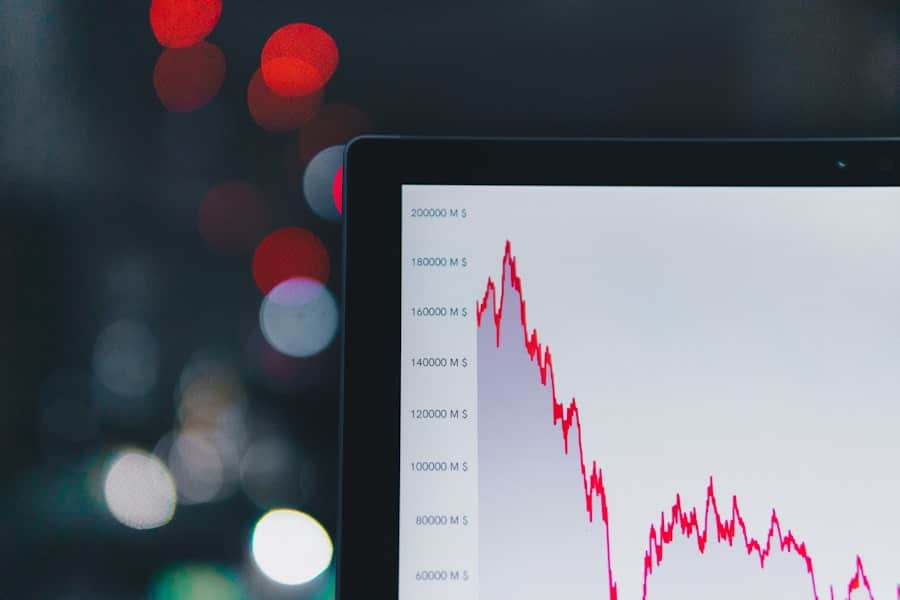
Labor and employment trends are vital indicators of economic health that directly affect your financial well-being. The job market’s strength or weakness can influence wage growth, job security, and overall consumer confidence. When unemployment rates are low, you may find it easier to secure a job with competitive wages and benefits.
Conversely, high unemployment can lead to wage stagnation and increased competition for available positions. Additionally, shifts in labor trends—such as the rise of remote work or gig economy jobs—can impact your career trajectory and work-life balance.
For instance, if remote work becomes more prevalent in your industry, you might consider developing skills that enhance your ability to work independently or collaborate virtually. Staying attuned to labor market dynamics will enable you to navigate your career path more effectively.
Consumer Spending and Income Levels
Consumer spending is a crucial driver of economic growth that directly impacts businesses and job creation. As a consumer, your spending habits reflect broader economic conditions and influence market trends. When income levels rise, you are likely to spend more on discretionary items such as dining out or entertainment, which stimulates demand across various sectors.
Conversely, when income stagnates or declines, you may prioritize essential purchases over luxury items. Monitoring consumer spending patterns can provide valuable insights into economic health and potential investment opportunities. For instance, if you notice an uptick in spending within a particular sector—such as e-commerce or travel—it may signal a recovery or growth phase that could be worth investing in.
Additionally, understanding how income levels affect consumer behavior can help businesses tailor their offerings to meet changing demands.
Global Economic Stability and Growth
Global economic stability is essential for fostering growth and prosperity both domestically and internationally. As economies become increasingly interconnected through trade and investment, events in one part of the world can have far-reaching implications for your financial landscape. For example, geopolitical tensions or natural disasters can disrupt supply chains and impact global markets, affecting everything from stock prices to commodity costs.
As a global citizen, staying informed about international economic trends allows you to make more informed decisions regarding investments and personal finances. Understanding how global events influence local economies can help you anticipate changes in market conditions and adjust your strategies accordingly. By keeping an eye on global economic stability and growth prospects, you position yourself to navigate the complexities of an interconnected world effectively.
In conclusion, understanding the various factors that influence the economy—from inflation and interest rates to global stability—empowers you to make informed financial decisions. By staying informed about market trends, government policies, labor dynamics, and consumer behavior, you can better navigate the complexities of the economic landscape and position yourself for success in both your personal finances and career endeavors.