
Art is not merely a collection of colors on a canvas or a sculpture carved from stone; it embodies emotions, ideas, and cultural narratives. As you delve into the world of art, you begin to appreciate its intrinsic value, which transcends monetary worth. The value of art is multifaceted, encompassing aesthetic appeal, historical significance, and emotional resonance.
When you stand before a piece that speaks to you, it becomes clear that art has the power to evoke feelings and provoke thought, making it an essential part of human experience. Moreover, the value of art can also be seen through its ability to foster connections among people. Art serves as a universal language that transcends barriers of culture and geography.
When you engage with art, whether as a creator or an admirer, you participate in a dialogue that spans generations. This connection not only enriches your life but also contributes to the broader cultural landscape. Understanding this value is crucial for artists like you, as it lays the foundation for your journey toward financial success and personal fulfillment in the art world.
Key Takeaways
- Art has intrinsic and monetary value, and understanding both aspects is crucial for artists to build wealth.
- Marketing and branding play a significant role in increasing an artist’s wealth by creating a strong and recognizable identity.
- Artists can build wealth by investing in their own art, as well as in other artists’ work, and by understanding the art market.
- Leveraging technology and social media can help artists reach a wider audience and increase their wealth through online sales and exposure.
- Building relationships and networking in the art world is essential for artists to gain opportunities, collaborations, and sales, ultimately increasing their wealth.
The Role of Marketing and Branding in Artist Wealth
Defining Your Unique Identity
This involves defining your unique style, message, and values, which will help you stand out in a crowded marketplace. Effective marketing strategies can amplify your reach and visibility. By leveraging social media platforms, creating an engaging website, and participating in exhibitions, you can showcase your work to a broader audience.
Crafting a Compelling Narrative
As you develop your brand, consider how you want to be perceived by collectors and art enthusiasts. A well-crafted narrative around your art can create an emotional connection with potential buyers, making them more likely to invest in your work. Remember, the story behind your art is just as important as the art itself.
Building a Strong Online Presence
By leveraging social media platforms, creating an engaging website, and participating in exhibitions, you can showcase your work to a broader audience and build a strong online presence that resonates with your audience.
Investing in Art: How Artists can Build Wealth
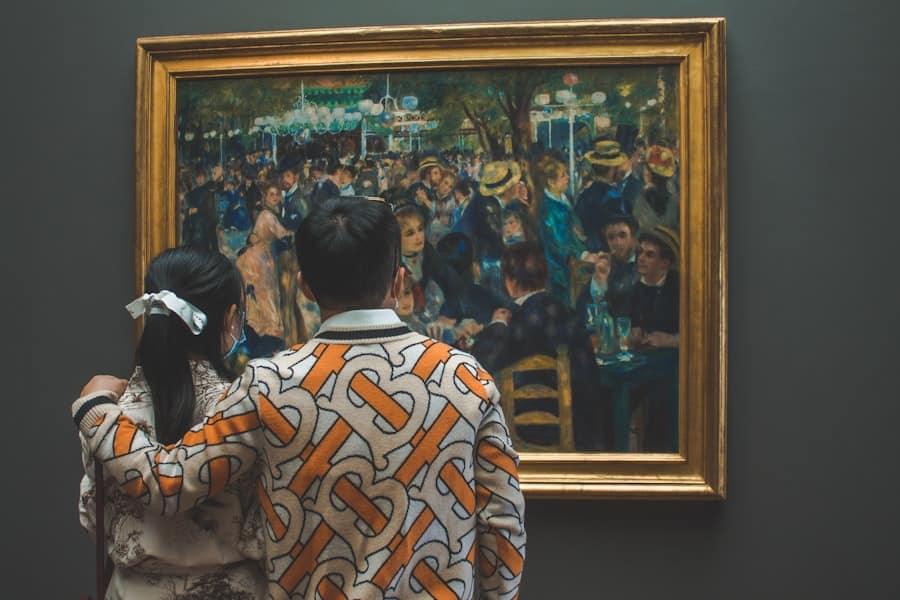
Investing in art is not solely the domain of collectors; as an artist, you too can build wealth through strategic investments. One way to do this is by acquiring pieces from other artists whose work you admire or believe will appreciate over time. By carefully selecting artworks that resonate with you and align with market trends, you can create a valuable collection that may yield financial returns in the future.
Additionally, consider diversifying your own artistic portfolio. Experimenting with different mediums or styles can open new avenues for income generation. For instance, if you primarily paint, exploring digital art or sculpture could attract a different audience and increase your sales potential.
By investing time and resources into expanding your artistic repertoire, you not only enhance your skills but also position yourself for greater financial success.
Leveraging Technology and Social Media for Artist Wealth
| Metrics | 2019 | 2020 | 2021 |
|---|---|---|---|
| Number of social media followers | 10,000 | 15,000 | 20,000 |
| Website traffic (monthly visitors) | 5,000 | 7,000 | 10,000 |
| Online sales revenue | 20,000 | 30,000 | 40,000 |
In an increasingly digital world, technology and social media have become powerful allies for artists looking to build wealth. Platforms like Instagram, Pinterest, and TikTok allow you to showcase your work to a global audience without the constraints of traditional galleries. By sharing your creative process, behind-the-scenes glimpses, and finished pieces, you can cultivate a loyal following that appreciates your artistry.
Moreover, online marketplaces such as Etsy or Saatchi Art provide opportunities for direct sales, enabling you to reach potential buyers directly. As you navigate these platforms, remember to engage with your audience authentically. Responding to comments, sharing stories about your work, and participating in online art communities can foster connections that lead to increased sales and collaborations.
Embracing technology not only enhances your visibility but also empowers you to take control of your artistic career.
Building Relationships and Networking in the Art World
Networking is a vital component of success in the art world. As you embark on your artistic journey, prioritize building relationships with fellow artists, curators, collectors, and art enthusiasts. Attend gallery openings, art fairs, and workshops to immerse yourself in the community and connect with like-minded individuals.
These interactions can lead to valuable opportunities for collaboration and exposure. Additionally, consider seeking mentorship from established artists or industry professionals who can provide guidance and support as you navigate your career. Building a network of contacts can open doors to exhibitions, commissions, and other avenues for income generation.
Remember that relationships in the art world are often reciprocal; by supporting others in their endeavors, you may find that they are more inclined to support you in return.
Diversifying Income Streams for Artists
Explore Alternative Income Sources
This could involve offering workshops or classes where you share your skills with aspiring artists or creating merchandise featuring your artwork. By exploring these various avenues for income generation, you can create a more stable financial foundation.
Licensing Your Artwork
Additionally, consider licensing your art for use in products such as home decor or fashion items. This allows your art to reach new audiences while generating passive income.
Collaborate with Brands and Businesses
Collaborating with brands or businesses that align with your artistic vision can also lead to exciting opportunities for exposure and financial gain. By diversifying your income streams, you not only enhance your financial stability but also expand your creative horizons.
The Importance of Financial Literacy for Artists
As an artist, developing financial literacy is crucial for achieving long-term success. Understanding basic financial principles such as budgeting, saving, and investing will empower you to make informed decisions about your career. Take the time to educate yourself about managing expenses related to materials, studio space, and marketing efforts.
This knowledge will enable you to allocate resources effectively and maximize your profits. Moreover, consider seeking professional advice from financial advisors who specialize in working with artists or creatives. They can help you navigate tax implications related to your art sales and provide guidance on retirement planning.
By prioritizing financial literacy, you equip yourself with the tools necessary to build wealth and secure a stable future in the art world.
Legacy Planning and Estate Management for Artists
As you establish yourself as an artist and begin to accumulate wealth, it’s essential to think about legacy planning and estate management. Consider how you want your artistic legacy to be remembered after you’re gone. This may involve creating a will that outlines how your artwork should be distributed among heirs or institutions that align with your values.
Additionally, think about how you can support future generations of artists through scholarships or donations to arts organizations. By planning for the future of your estate and considering how it can benefit others in the art community, you create a lasting impact that extends beyond your lifetime. Legacy planning is not just about preserving wealth; it’s about ensuring that your artistic vision continues to inspire others long after you’re gone.
In conclusion, navigating the world of art requires a multifaceted approach that encompasses understanding the value of art, effective marketing strategies, investment opportunities, technological leverage, networking efforts, income diversification, financial literacy, and legacy planning. By embracing these elements, you can build not only wealth but also a fulfilling career that resonates with both you and the broader community. Your journey as an artist is not just about creating; it’s about thriving in an ever-evolving landscape where creativity meets commerce.
If you are interested in learning more about achieving financial freedom through education and investing in your knowledge, check out this article here. It provides valuable insights on how education and continuous learning can lead to financial success and independence, which are essential components for artists looking to build wealth. By investing in your knowledge and skills, you can create passive income streams and secure your financial future.
FAQs
What is artist wealth?
Artist wealth refers to the financial assets and resources accumulated by artists through their creative work, including income from sales of artwork, royalties, and other sources of revenue related to their artistic endeavors.
How do artists generate wealth?
Artists generate wealth through various means, including selling their artwork, licensing their work for use in commercial products, receiving royalties from the sale of prints or merchandise featuring their art, and through commissions for custom pieces.
What are some common sources of income for artists?
Common sources of income for artists include sales of original artwork, commissions, licensing agreements, royalties from the sale of prints or merchandise, teaching art classes or workshops, and public art commissions.
How do artists manage their wealth?
Artists may manage their wealth by working with financial advisors or accountants who specialize in working with creative professionals. They may also invest in retirement accounts, real estate, or other assets to grow and protect their wealth.
What are some challenges artists face in building wealth?
Some challenges artists face in building wealth include irregular income, lack of access to affordable healthcare and retirement benefits, and the need to balance creative pursuits with financial stability. Additionally, the value of artwork can fluctuate, impacting an artist’s income.
What are some strategies for artists to build and protect their wealth?
Strategies for artists to build and protect their wealth include diversifying their income streams, creating a financial plan, investing in retirement accounts, obtaining insurance to protect their artwork and assets, and seeking professional financial advice.